Crisped Neckera Care (Exsertotheca crispa)

Crisped Neckera

About Crisped Neckera

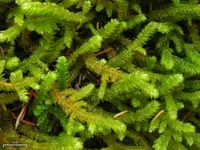
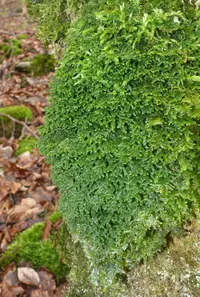
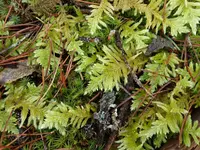
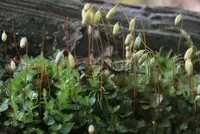
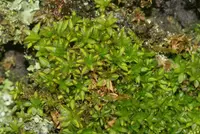
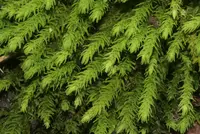
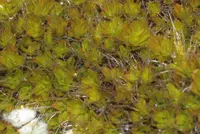
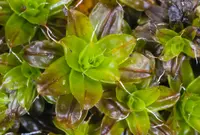
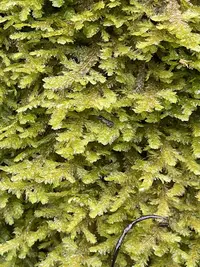
Crisped Neckera, Exsertotheca crispa, is a small, mat-forming moss often found on rocks, tree bases, and damp ground in cool, humid regions. It is most common in parts of Europe and similar temperate climates, where it forms dense, crisped green cushions. The shoots have a delicate, finely textured look, but the colonies are usually quite resilient once established. This moss prefers shaded, moist, well-aerated surfaces and does not tolerate long dry spells or harsh, direct sun. Gardeners who care for Crisped Neckera usually focus on keeping humidity steady and avoiding disturbance of its fragile, shallow anchoring points.

Main Plant Requirements

Care Difficulty

Moderate Care

Light Preference

Partial Shade

Water Requirements

Keep Soil Moist

Temperature Preference

Cool Climate

Hardiness Zone

Unknown

Soil Texture

Loamy, Silty, Organic-rich

Soil pH

Acidic (5.5–6.5)

Soil Drainage

Moist but well-drained

Fertilization

Minimal (feed rarely)

Get Personalized Care Plan

Scan your plant to receive care tips personalized for your specific plant

Available on iOS and Android

How to Care for the Crisped Neckera

This moss prefers cool, soft light similar to a shaded woodland floor.

  • Aim for bright, indirect light or full shade with brief early morning sun, around 1–2 hours per day at most.
  • Protect from strong midday and afternoon sun, which can dry and bleach Crisped Neckera, especially on exposed rocks or tree trunks.
  • In summer, increase shading with leaf litter or nearby plants; in winter, low-angled sun is usually acceptable if humidity stays high.

This moss needs consistently moist conditions rather than distinct watering events.

  • Keep the substrate evenly damp; allow only the surface to feel just barely less wet before misting or gently soaking again.
  • Use soft, non-chlorinated water that drains away freely, avoiding standing water that encourages rot and algae on Exsertotheca crispa.
  • Increase misting frequency during hot, windy, or indoor-heated periods; reduce slightly in cool, still weather while ensuring it never fully dries out.

This species thrives in cool to mild conditions, similar to a shaded forest environment.

  • Optimal growth occurs around 50–70°F (10–21°C), where moisture stays stable and evaporation is slower.
  • It tolerates brief drops to about 28–32°F (-2–0°C) if kept moist, but repeated hard frosts with drying winds can cause desiccation damage.
  • In warmer periods up to about 80°F (27°C), increase shade and humidity; prolonged heat above this range stresses the moss and speeds drying.

This moss prefers consistently moist air and is sensitive to drying out.

  • Aim for 60–90% humidity to mimic its natural, sheltered woodland or streambank habitat.
  • In prolonged indoor air below 50% humidity, shoots may brown at the tips and cushions become brittle and pale.
  • Increase humidity by placing it in a covered, ventilated terrarium, above a water-filled pebble tray, or in a shaded, always-damp outdoor microclimate when caring for Crisped Neckera.

Exsertotheca crispa grows best on consistently moist, freely draining, organic-rich substrates rather than dense mineral soil.

  • Use a loose mix of fine bark, sphagnum moss, and a small amount of leaf mold to create a fibrous, airy structure.
  • Ensure rapid drainage; excess water should pass through within seconds while the substrate surface remains evenly damp, not waterlogged.
  • Keep pH slightly acidic to neutral (pH 5.0–7.0), avoiding limed or strongly alkaline mixes that can suppress growth.
  • Improve aeration by avoiding compaction; gently press the substrate only enough to anchor the clumps, leaving visible pore spaces.

This species can be grown in shallow containers or terrariums when stable moisture and airflow are maintained.

  • Choose a wide, shallow container that allows the moss to spread as a mat while preventing deep water accumulation at the base.
  • Line the bottom with a coarse drainage layer (fine gravel or broken clay pieces) under the substrate to prevent stagnant water pockets.
  • Prefer glazed ceramic or glass containers for slower moisture loss, but add ventilation gaps or a partially open lid to avoid stagnant, saturated air.

This moss typically thrives without added nutrients, so fertilizing Exsertotheca crispa is rarely necessary and often discouraged.

Pruning needs for Exsertotheca crispa are minimal and mainly focused on hygiene and maintaining a neat patch.

  • Carry out light cleaning in early spring or after active growth has slowed.
  • Gently remove dead, browned, or obviously damaged shoots by hand rather than using tools.
  • Lift away small, overcrowded tufts only where they smother nearby delicate plants.
  • Avoid heavy cutting, which can thin cushions and expose underlying substrate.

Transplanting this moss is occasional and should be done with care to keep cushions intact and moist.

  • Move patches in cool, overcast weather or early spring to limit stress and water loss.
  • Transplant when mats loosen, substrate erodes, or coverage needs adjusting, rather than on a fixed schedule.
  • Lift thin, intact mats with a broad spatula, keeping attached substrate to protect fine rhizoids.
  • Reposition on a clean, moist surface, press gently for full contact, and keep evenly damp until reanchored.

Propagation of Exsertotheca crispa is usually done by division of existing cushions rather than from spores in home settings.

  • Divide small tufts in cool, moist weather, often in spring or early autumn.
  • Peel off thin mats with attached substrate, then split into smaller sections by hand.
  • Lay divisions onto fresh, moist, slightly acidic substrate with firm surface contact.
  • Maintain high humidity and gentle, indirect light until steady new green growth appears.

This moss is generally cold hardy and needs little specific winter care in temperate climates.

  • In very exposed sites, a light, airy leaf mulch around the substrate can buffer freeze–thaw swings.
  • Avoid ice-forming overhead watering in freezing periods to limit mechanical damage to cushions.
  • Container-grown patches can be moved to a cold, sheltered spot to reduce drying winter winds.

Care Tips

Substrate anchoring

Press small pieces of this moss gently into rough, moisture-retentive surfaces such as bark, limestone, or porous lava rock so the rhizoids (fine anchoring structures) can grip firmly and form a stable mat instead of sliding off when wet.

Controlled airflow

Provide very gentle but constant air movement, for example with a low-speed fan placed several feet away, to reduce the risk of fungal growth while keeping the cushion evenly moist rather than saturated.

Portion propagation

To expand a colony, tear rather than cut small tufts and press them onto new, pre-moistened substrate patches; tearing exposes more growing tips and helps the moss establish more quickly across the new area.

Seasonal mist adjustment

In winter or in cooler rooms, reduce misting frequency but extend each session slightly so the colony receives thorough hydration without staying constantly wet, which better mimics its natural cool, damp, but well-aerated habitat.

Subtle health monitoring

Inspect the moss closely every 1–2 weeks with a hand lens, watching for pale, desiccated shoot tips or dark, slimy areas so that you can fine-tune moisture, airflow, and light before problems spread when growing Crisped Neckera.

Common Pests and Diseases

Desiccation damage

Symptoms include crisping, bleaching, and fragmentation of shoots when moss mats dry out fully, especially on exposed rocks or bark. This stress weakens the cushions and creates thin, patchy growth.

Solution

Maintain stable, cool, humid conditions by providing regular fine misting and avoiding direct sun or strong air movement. In culture, keep the substrate evenly moist but not waterlogged, and shield colonies from drying winds or heat sources to support long-term Exsertotheca crispa care instructions.

Algal overgrowth

This disease appears as slimy green films covering the moss surface, often in constantly wet, nutrient-enriched or poorly lit situations. Growth of the moss slows as algal layers block light and smother the shoots.

Solution

Reduce standing water, improve drainage, and increase gentle air movement so surfaces can dry slightly between waterings. Decrease fertilizer inputs, increase light to a bright but indirect level, and if needed gently rinse the moss surface to remove loose algal films without disturbing the rhizoids.

Fungal leaf blight

This disease causes scattered brown to black necrotic patches on the leafy shoots, sometimes with a soft, water-soaked texture in persistently wet conditions. Affected cushions thin out and lose their crisp, tufted structure.

Solution

Improve air circulation and avoid constant surface wetting by using lighter, less frequent misting rather than heavy soaking. Carefully remove and discard heavily damaged patches with sterile tools, and allow the surface to dry slightly between waterings while keeping the substrate just moist.

Springtail overpopulation

These insects are tiny, pale to dark jumping arthropods that thrive in constantly damp moss substrates rich in decomposing material. High populations can disturb fine moss structures and indicate excess moisture and organic buildup.

Solution

Reduce moisture slightly, improve drainage, and remove decaying organic debris to make the habitat less favorable. In container culture, bottom-water less often, allow brief drying of the surface layer, and if needed gently flush the substrate once with clean water and better aeration afterward.

Mite damage

This pest leaves very fine, irregular damage on delicate moss leaves and growing tips, sometimes seen as dull, roughened patches that fail to extend normally. Activity increases in warm, stagnant air with fluctuating moisture.

Solution

Increase humidity stability and gentle air movement while avoiding hot, dry pockets, and inspect closely using a hand lens. If populations are confirmed, gently rinse the moss under a soft stream of water to dislodge mites and consider introducing biological controls such as predatory mites in enclosed displays, while keeping environmental stress low.

Interesting Facts

Atlantic coastal specialist

This moss is naturally restricted to humid, oceanic climates along Atlantic coasts of western Europe, where mild temperatures and frequent fog maintain the constant moisture it needs.

Crisped shoot appearance

The species name crispa refers to the way its slender shoots and leaves often appear wavy or crisped when partially dry, a structural trait that helps it tolerate short drying periods.

Rock and bark dweller

In the wild it commonly colonizes shaded, periodically wet rock faces and tree bases, using dense mats of shoots to trap water films and fine organic particles for nutrients.

FAQs about Crisped Neckera

This moss spreads slowly to moderately by creeping stems. It forms low, cushiony mats rather than running aggressively. In containers or terrariums it is easy to confine by trimming edges or physically limiting the substrate area.

Grow Healthy Plants with Botan Care

Keep your plants happy and healthy with plant identification, disease detection, and easy care guidance.

Botan plant care app — identify plants on mobile

Explore More Plants