trachybryum moss Care (Trachybryum megaptilum)

trachybryum moss

About trachybryum moss

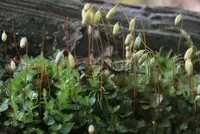
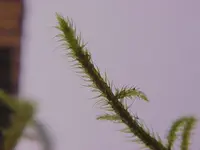
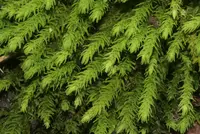
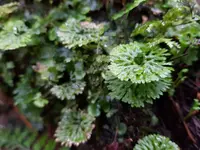
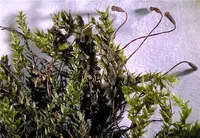
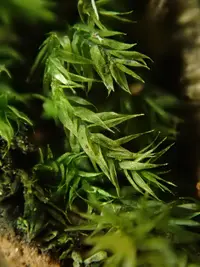
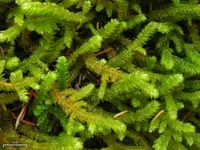
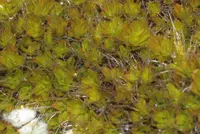
Trachybryum megaptilum is a small, carpet-forming moss that creates dense, fine-textured mats over rocks, soil, or decaying wood. It has delicate green shoots that stay low and compact. This moss is typically found in moist, shaded habitats, often in forests or along stream banks, where humidity and stable moisture levels are high. It relies on ambient moisture rather than deep roots, which makes it sensitive to drying out. For those who want to care for trachybryum moss, it is helpful to understand its preference for gentle light, constant moisture, and a stable, mildly acidic, well-draining substrate.

Main Plant Requirements

Care Difficulty

Moderate Care

Light Preference

Partial Shade

Water Requirements

Keep Soil Moist

Temperature Preference

Warm Climate

Hardiness Zone

Unknown

Soil Texture

Peaty, Organic-rich, Loamy

Soil pH

Strongly acidic (4.5–5.5), Acidic (5.5–6.5)

Soil Drainage

Moist but well-drained

Fertilization

Minimal (feed rarely)

Get Personalized Care Plan

Scan your plant to receive care tips personalized for your specific plant

Available on iOS and Android

How to Care for the trachybryum moss

This moss prefers soft, indirect light that mimics a shaded forest floor.

  • Aim for bright, filtered light or dappled shade, such as beneath shrubs or trees, with 2–4 hours of gentle morning sun and no harsh midday sun.
  • It tolerates deeper shade but growth becomes slower and looser if light stays very low for most of the day.
  • Strong afternoon sun can scorch trachybryum moss, so provide shade cloth or natural shade in summer, especially in warmer regions.

This moss needs consistently moist conditions without long dry spells or stagnant water.

  • Keep the substrate evenly damp; the surface should feel moist but not squishy when pressed lightly with a fingertip.
  • Increase watering or misting during hot, windy weather and reduce slightly in cool seasons, avoiding complete drying or puddling that lasts more than a few hours.
  • Signs of underwatering include crisp, pale patches; overwatering shows as sour odor, slimy texture, or dark, rotting areas in the moss mat.

Stable, cool to mild temperatures suit this species best.

  • Optimal growth occurs around 55–70°F (13–21°C), similar to a cool, shaded woodland environment.
  • It tolerates short drops to about 25°F (-4°C) once established, but repeated hard frosts or freeze–thaw cycles can damage exposed cushions.
  • Heat above 80°F (27°C), especially with low humidity and direct sun, stresses the moss, so provide extra shade and moisture during hot, dry periods.

This moss prefers consistently moist air and reacts quickly to dry conditions.

  • Aim for 60–90% humidity, using an open-top terrarium, shaded greenhouse bench, or naturally damp outdoor microclimate.
  • Tolerates short dry spells but fronds curl, pale, and feel brittle when humidity drops too low.
  • Increase humidity with frequent fine misting, grouped plantings over wet gravel, or a covered tray that traps moisture without sealing the plant airtight.

Trachybryum megaptilum grows best in a loose, consistently moist, organic-rich substrate that never dries out completely.

  • Use a fine-textured mix of 2 parts peat or coconut coir, 1 part leaf mold or compost, and 1 part fine sand for structure.
  • Ensure slow but reliable drainage; the mix should drain excess water within minutes yet stay evenly damp, not soggy.
  • Maintain slightly acidic to neutral conditions, around pH 5.5–7.0, to support nutrient availability and moss health.
  • Improve aeration and prevent compaction by adding a small amount of fine perlite and avoiding heavy treading or pressing on the surface.

This species is suitable for shallow containers and trays that can maintain stable surface moisture.

  • Choose wide, shallow trays so the moss can spread horizontally while water films remain thin and oxygen can reach the surface.
  • Select heavier ceramic or clay containers outdoors to reduce tipping and buffer rapid moisture swings from sun and wind.
  • Raise the container slightly on feet or mesh so drainage holes stay clear and runoff does not wick back into the substrate.

This moss generally thrives in low-nutrient conditions and needs minimal feeding in cultivation.

  • If growth appears pale or weak, apply a highly diluted balanced NPK liquid fertilizer at 1⁄4 strength during active growth.
  • Feed trachybryum moss at most once every 6–8 weeks in spring–summer, never weekly.
  • Use rainwater or distilled water to mix fertilizer, then rinse lightly with plain water after 1–2 days to avoid salt buildup.
  • Do not fertilize in autumn–winter, or when growth is slow, to prevent stress and algal overgrowth.

Pruning needs for Trachybryum megaptilum are light and mainly hygienic.

  • Best timing is during active growth in spring–summer so patches recover quickly.
  • Gently remove dead, browned, or detached tufts by hand or with fine scissors, avoiding disturbance of healthy cushions.
  • Trim only overlong or uneven edges to maintain an even mat; heavy cutting can thin the colony.
  • Use clean, sharp scissors or tweezers and avoid tearing tissue, which increases desiccation and infection risk.

Trachybryum megaptilum is usually grown as a ground or substrate cover, so transplanting is rare and should be minimal.

  • Transplant when mats detach from the substrate, growth becomes patchy, or the container medium compacts and drains poorly.
  • Best season is spring, allowing warm, moist conditions for reattachment and new growth.
  • Typically relocate or refresh the substrate every 2–3 years rather than handling the moss frequently.
  • Lift small sections with a thin spatula, set onto fresh, moist, low-nutrient medium, press gently, then keep humidity high to limit root and rhizoid stress.

Trachybryum megaptilum is most practically propagated by division of existing mats rather than from spores at home.

  • Carry out division in spring when light and humidity support recovery.
  • Moisten the colony, then tear or cut it gently into small sections, each with healthy green growth and attached substrate.
  • Lay divisions onto fresh, moist, acidic, low-nutrient medium and press lightly for close contact.
  • Maintain high humidity, gentle airflow, and indirect light until new tips extend, then gradually normalize conditions.

This moss is generally cold hardy in temperate climates and needs only modest winter care outdoors.

  • In-ground colonies tolerate light to moderate frost if kept slightly moist, not waterlogged.
  • In very cold areas, add a thin leaf or pine needle mulch around the substrate to buffer rapid freeze–thaw cycles.
  • Move shallow containers to a sheltered, unheated but frost-free spot, keeping the medium just barely damp over winter.

Care Tips

Shallow Mounting Technique

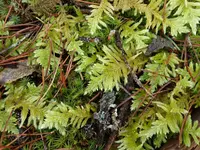
Spread the moss in a very thin layer over porous hardscape such as lava rock or slightly rough bark so the rhizoids can anchor quickly and form an even mat rather than loose clumps.

Capillary Watering Setup

For stable moisture, place the substrate tray above a water reservoir and run a strip of polyester felt or capillary matting between them so the moss receives constant, gentle wicking instead of frequent surface misting.

Fine Mist Hydration

Use a hand mister or pressure sprayer with an ultra-fine nozzle directed above the colony, allowing droplets to fall like fog, which hydrates leaf tips without washing away delicate new growth.

Airflow Without Drafts

Position a small fan on a low setting to move air gently across but not directly at the moss surface, which discourages fungal growth while preventing desiccation from harsh drafts when growing trachybryum moss.

Periodic Rinsing Regime

Once every 2–4 weeks, rinse the moss gently with soft, low-mineral water to remove dust, algae film, and accumulated nutrients that can otherwise encourage competing algae or liverworts.

Common Pests and Diseases

Springtails

These insects often colonize constantly wet moss cushions where they feed on decaying organic matter and can nibble on tender moss tissue when populations are high. Symptoms include tiny jumping white or gray insects visible when the substrate is disturbed and slight thinning of the moss surface.

Solution

Reduce chronic waterlogging by allowing the moss surface to drain between misting, then flush the area gently with clean water to remove excess organic debris. If numbers remain high, use sticky traps near the moss and apply a targeted insecticidal soap drench at low concentration, ensuring good ventilation so the colony cannot quickly rebound.

Mite infestations

These insects are microscopic arachnids that thrive in warm, stagnant, very humid microclimates around dense moss mats. Symptoms include dull or patchy-looking cushions and extremely fine webbing or dustlike movement when inspected closely.

Solution

Improve air circulation, slightly lower humidity, and avoid direct contact of the moss with decaying plant material. Rinse the moss gently under a fine stream of water to dislodge mites, then, if needed, apply a diluted horticultural oil or miticidal soap spray, taking care to test a small area first to avoid damaging delicate shoots.

Fungal blight

This disease develops in persistently saturated, poorly ventilated conditions and causes brown, collapsing patches within the moss carpet. Symptoms include water-soaked areas that turn dark, sometimes with a faint gray or white fuzz at the surface.

Solution

Cut out and discard affected tufts, then reduce watering frequency and increase airflow and light without creating direct heat stress. After removing damaged areas, drench the substrate lightly with a moss-safe fungicide or a mild biofungal product, and maintain a more moderate moisture level as part of ongoing Trachybryum megaptilum care.

Algal overgrowth

This disease involves unicellular algae spreading across constantly wet, strongly lit surfaces, forming green, slimy films that outcompete and shade the moss. Symptoms include slippery, bright green patches that coat stone, wood, or soil where moss would normally grow.

Solution

Reduce surface nutrient buildup by rinsing hardscape and avoiding fertilizer runoff, then gently brush or siphon away algal films without tearing the moss. Adjust light intensity slightly downward or shorten exposure, and allow the surface to dry very slightly between misting so moss remains damp but not continuously submerged or film-covered.

Slugs and snails

These pests are attracted to cool, wet moss habitats and feed on tender moss tissue, especially at night. Symptoms include irregularly grazed patches, missing cushions, and slime trails on nearby surfaces.

Solution

Hand-pick slugs and snails in the evening and remove nearby hiding places such as dense debris or overturned pots. If damage continues, use iron phosphate bait placed away from the main moss carpet and create barriers such as copper tape around containers or slabs to limit access to the Trachybryum megaptilum colony.

Interesting Facts

African cloud‑forest specialist

This moss is native to high‑elevation, mist‑rich forests in tropical Africa, where it grows on tree trunks and branches exposed to constant cloud cover and high humidity.

Strong epiphytic attachment

It typically grows as an epiphyte, anchoring to bark with dense rhizoids (root‑like filaments) rather than drawing nutrients from the host tree, so it does not harm the trees it grows on.

Role in canopy moisture

Its dense mats help intercept fog and rainfall in the forest canopy, slowly releasing water and creating moist microhabitats important for tiny invertebrates and other epiphytic organisms involved in growing trachybryum moss.

FAQs about trachybryum moss

Growth is generally slow to moderate. Expect small patches to thicken and expand over several months rather than weeks. Stable moisture, cool to mild temperatures, and protection from physical disturbance are key for growing trachybryum moss successfully.

Grow Healthy Plants with Botan Care

Keep your plants happy and healthy with plant identification, disease detection, and easy care guidance.

Botan plant care app — identify plants on mobile

Explore More Plants