Dotted Thyme-moss Care (Rhizomnium punctatum)

Also known as: rhizomnium moss, red penny moss
Dotted Thyme-moss

About Dotted Thyme-moss

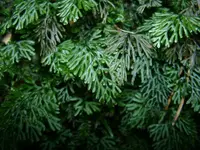
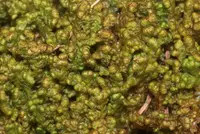
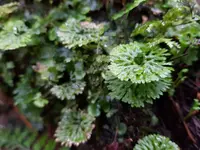
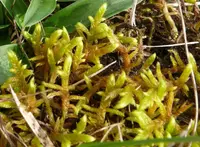
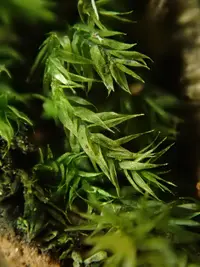
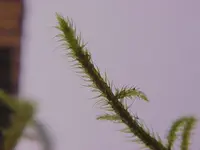
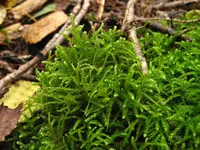
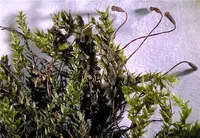
Dotted thyme-moss (Rhizomnium punctatum) is a small, upright moss that forms soft, bright green tufts or patches on moist soil, rocks, and rotting wood. It has relatively large, rounded leaves on slender stems, giving it a more “leafy” look than many compact carpet mosses.

This species occurs widely in temperate regions, especially in shaded forests, stream banks, and other cool, damp habitats. It is considered fairly easy to grow in cultivation when kept consistently moist and protected from strong sun.

Stable humidity, gentle airflow, and clean, low-nutrient substrates support healthy growth, which makes it useful in terrariums and shaded outdoor moss gardens. Beginners often find it straightforward to care for Dotted Thyme-moss once its need for constant moisture is understood.

Main Plant Requirements

Care Difficulty

Moderate Care

Light Preference

Shade

Water Requirements

Keep Soil Moist

Temperature Preference

Cold Hardy

Hardiness Zone

3–8

Soil Texture

Loamy, Silty, Organic-rich

Soil pH

Strongly acidic (4.5–5.5), Acidic (5.5–6.5)

Soil Drainage

Waterlogged tolerant

Fertilization

Minimal (feed rarely)

Get Personalized Care Plan

Scan your plant to receive care tips personalized for your specific plant

Available on iOS and Android

How to Care for the Dotted Thyme-moss

This moss prefers soft, diffuse light that mimics the forest floor where it naturally grows.

  • Provide 2–5 hours of dappled or filtered light per day, ideally morning sun with shade or deep shade by early afternoon for Dotted Thyme-moss.
  • Site Rhizomnium punctatum in partial to full shade; avoid direct midday sun, which can scorch leaves and dry out the cushion quickly.
  • In summer, increase shade or use light-filtering cover; in low-light seasons, ensure bright open shade rather than dark corners to prevent weak, sparse growth.

This moss needs consistently moist conditions without prolonged flooding or complete drying.

  • Keep the substrate evenly damp; do not allow the top 0.5–1 cm to turn fully dry, as fronds will curl and dull in color.
  • Use soft, low-mineral water if possible, applying gentle overhead watering or misting when the surface feels just slightly less moist to the touch.
  • In hotter, windy periods, inspect moisture daily; in cool, shaded seasons, space out watering to avoid stagnant, foul-smelling, waterlogged patches.

This species prefers cool to mild temperatures similar to shaded woodland conditions.

  • Aim for 50–70°F (10–21°C) for best growth, with steady moisture and shade during these conditions.
  • Rhizomnium punctatum tolerates down to around 20–25°F (-7 to -4°C) if protected by snow or leaf litter, but repeated freeze–thaw on exposed patches can cause dieback.
  • In hot weather above 80°F (27°C), increase shade and humidity; prolonged exposure above 90°F (32°C) can desiccate and kill exposed cushions.

This moss needs consistently high humidity to stay lush and green.

  • Aim for 70–90% humidity, mimicking a damp forest floor or terrarium environment.
  • It tolerates brief dips to 50–60%, but prolonged dry air causes browning tips, shrinking cushions, and crisp texture.
  • Increase humidity with a closed terrarium, pebble tray under the container, or frequent fine misting, especially for Dotted Thyme-moss kept indoors.

Rhizomnium punctatum prefers a consistently moist, soft, organic substrate that mimics wet woodland or streamside conditions.

  • Use a mix of 60–70% fine peat or coco coir with leaf mold or compost plus 30–40% fine sand for structure and stability.
  • Aim for slightly acidic conditions (pH 5.0–6.5), avoiding lime-added or strongly alkaline substrates that slow growth.
  • Ensure the mix holds water but still drains slowly; excess free water should drain away while the surface remains evenly damp, not soupy.
  • Avoid compacted, clay-heavy, or barky mixes by gently fluffing the substrate and breaking clumps so rhizoids can anchor and spread.

This species adapts well to container culture, especially in shallow, moisture-retentive setups.

  • Choose a shallow, wide container that allows the mat to spread horizontally and keeps the moisture layer close to the surface.
  • Use a pot material that reduces evaporation, such as glazed ceramic or plastic, to maintain the constantly damp substrate it requires.
  • Create a layered base with coarse gravel beneath the substrate so drained water stays below the moss mat and does not re-saturate it.

Rhizomnium punctatum is adapted to nutrient-poor habitats and usually needs minimal supplemental feeding.

  • In containers or terraria, use a very dilute balanced NPK liquid fertilizer at 1⁄8–1⁄4 strength, no more than every 6–8 weeks in active growth.
  • Apply only to moist substrate, never directly onto dry moss cushions, to limit burn and salt buildup.
  • Skip feeding in winter or any dormant phase, and flush the substrate with clean water a few times per season to remove excess salts.

Pruning Rhizomnium punctatum is mainly light grooming to maintain an even, healthy moss carpet.

  • Best timing is during active growth in spring or early summer so trimmed areas fill in quickly.
  • Clip off browned, damaged, or sparse patches with small scissors to encourage dense new shoots.
  • Lightly trim uneven or overgrown tufts to maintain uniform height without exposing bare substrate.
  • Disinfect tools before use to reduce the risk of fungal or algal problems in close, humid plantings.

This moss is usually grown as a groundcover or in terraria, so focus on gentle transplanting rather than frequent repotting.

  • Transplant when mats become overly thick, when growth slows, or when the surface layer lifts easily from the substrate.
  • Best timing is in cool, moist weather or in a shaded indoor spot, reducing stress on Rhizomnium punctatum colonies.
  • Lift sections with a thin layer of attached substrate, then press onto fresh, consistently moist, acidic to neutral medium.
  • Mist well after moving, keep out of direct sun, and avoid foot traffic until the moss reanchors and resumes steady growth.

Rhizomnium punctatum is commonly propagated by division of existing mats rather than from spores at home.

  • Carry out division in spring or early summer when moisture levels are easy to maintain.
  • Gently tear or cut moss cushions into small sections, each with healthy green shoots and some rhizoids attached.
  • Press divisions onto fresh, clean, moist substrate, ensuring close contact without burying the shoots.
  • Maintain constant high humidity and soft, indirect light until new growth shows that the patches have established.

Outdoors, Dotted Thyme-moss is generally cold hardy and needs little special winter care.

  • In regions with severe freeze–thaw cycles, a thin mulch around the substrate helps moderate temperature swings.
  • Container-grown colonies can be overwintered in a cold, bright, frost-free space to reduce desiccation.
  • Ensure the moss does not dry out completely in winter; water lightly during mild periods if the substrate is very dry.

Care Tips

Use clean rainwater

Collect rainwater or use distilled water in a shallow tray so the colony can hydrate from below without lime or salt buildup that often occurs with hard tap water.

Create shaded microclimate

Place the moss container inside a larger tray with moist gravel or leaf litter to buffer rapid humidity and temperature swings, especially near windows or heat sources.

Gentle debris grooming

Every few weeks, remove fallen leaves, dead insects, and algae films with soft tweezers or a fine artist’s brush to keep light reaching the small leaf rosettes and to reduce fungal problems.

Divide and rejuvenate

Once mats thicken, gently lift and split them into smaller patches with a blunt knife or plant label, then replant at slight gaps to encourage fresh growth and better air circulation.

Monitor with fingertip test

Lightly touch the moss cushion daily; if it feels only slightly damp rather than springy and moist, mist or bottom-water promptly to prevent the fine rhizoids from drying out while growing Dotted Thyme-moss.

Common Pests and Diseases

Slugs and snails

These pests feed on tender moss shoots and edges of cushions, leaving ragged patches and small bare spots in the colony.

Solution

Hand-pick slugs and snails in the evening, use low-toxicity barriers such as copper tape or rough mineral grit around moss beds, and reduce nearby hiding places like dense leaf litter or boards; avoid pellet products that leave residues on the moss surface.

Springtails

These insects are common in saturated, organic-rich moss substrates and can disturb fine moss structures when populations become very dense.

Solution

Improve drainage slightly, reduce constant flooding while keeping the moss moist, and gently flush the colony with clean, non-chlorinated water; in closed terraria, increase ventilation and remove decaying organic debris to lower springtail numbers without drying the moss.

Green algal overgrowth

This disease-like condition occurs when filamentous or film-forming algae colonize the moss surface, creating a slick green coating that shades and weakens the shoots.

Solution

Reduce nutrient inputs such as fertilizer runoff, slightly lower light intensity if surfaces are overheating, and periodically rinse the moss with soft water; in containers, increase airflow and carefully remove heavily coated patches to encourage healthy regrowth and support stable Rhizomnium punctatum plant care.

Gray mold (Botrytis)

This disease develops in overly stagnant, humid conditions and causes soft, water-soaked patches in the moss with a fine gray fuzz on the surface.

Solution

Increase air movement, open lids or covers on terraria, and thin overly dense mats; remove affected clumps with clean tools, avoid overhead misting onto already saturated cushions, and keep surfaces just moist instead of constantly dripping.

Desiccation scorch

Symptoms include browned, crisp tips and patchy dieback when mats are exposed to strong sun or drying winds beyond their normal shaded, moist conditions.

Solution

Provide consistent shade or dappled light, protect moss from direct midday sun, and maintain steady moisture with gentle, frequent watering or misting; in outdoor patches, use surrounding groundcovers, stones, or logs to moderate wind and surface temperature while still allowing airflow.

Interesting Facts

Distinctive dotted leaf cells

Under a hand lens, the leaf cells show clear dots created by groups of oil bodies and chloroplasts, which is one of the easiest microscopic characters used by bryologists to separate this species from closely related mnium mosses.

Prefers lime-rich habitats

This moss commonly grows on calcareous, or lime-rich, soils and rocks, especially in damp woodlands and along shaded stream banks, making it a useful indicator of base-rich substrates in the field.

Arched, stalked capsules

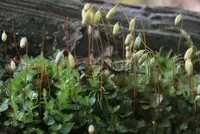
Its sporophytes form on slender, often arched stalks with relatively large, smooth capsules that mature in late spring to early summer, a combination that helps field botanists identify it during reproductive stages.

Botan icon

Did you know?

This species has a broad natural distribution across much of the temperate Northern Hemisphere, and its consistent presence in shaded, moist woodland microhabitats has led bryologists to use it as a reference species when studying how moss communities respond to changes in forest humidity and canopy cover.

FAQs about Dotted Thyme-moss

This species performs best outdoors in cool, shaded, consistently moist spots, similar to stream banks or woodland floors. Indoors, humidity, airflow, and stable moisture are harder to maintain, so Dotted Thyme-moss indoor care is usually more demanding.

Grow Healthy Plants with Botan Care

Keep your plants happy and healthy with plant identification, disease detection, and easy care guidance.

Botan plant care app — identify plants on mobile

Explore More Plants