wrinkle-leaved feather-moss Care (Rhytidium rugosum)

Also known as: rhytidium moss, crumpled leaf moss, Golden Glade-moss
wrinkle-leaved feather-moss

About wrinkle-leaved feather-moss

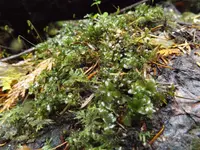
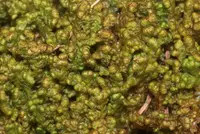
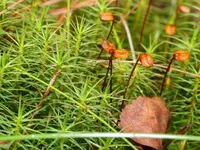
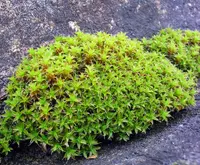
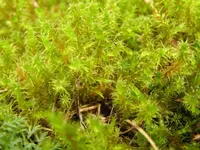
Wrinkle-leaved feather-moss (Rhytidium rugosum) is a low-growing, mat-forming moss with distinctively ridged, feather-like shoots. It forms dense carpets that can stabilize soil and soften hard surfaces visually.

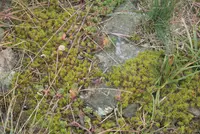
In nature it is most often found in cool, temperate regions on rocky ground, thin soils, and open forest floors, where light is bright but not intensely hot. Its slow, steady growth and tolerance of poor, shallow substrates make it relatively undemanding once established.

Moist, cool, and well-aerated conditions support healthy growth, so consistent humidity and gentle airflow are helpful when learning how to care for wrinkle-leaved feather-moss.

Main Plant Requirements

Care Difficulty

Moderate Care

Light Preference

Partial Shade

Water Requirements

Regular Water

Temperature Preference

Cold Hardy

Hardiness Zone

2–8

Soil Texture

Loamy, Rocky, Organic-rich

Soil pH

Acidic (5.5–6.5), Slightly acidic (6.5–7.0)

Soil Drainage

Moist but well-drained

Fertilization

Minimal (feed rarely)

Get Personalized Care Plan

Scan your plant to receive care tips personalized for your specific plant

Available on iOS and Android

How to Care for the wrinkle-leaved feather-moss

This moss prefers cool, moderate light similar to bright forest conditions.

  • Provide 2–4 hours of gentle morning sun with bright, dappled or filtered light for the rest of the day, avoiding harsh midday exposure.
  • It tolerates partial shade under shrubs, rocks, or open woodland canopy, but dense shade reduces growth and causes loose, pale mats.
  • In summer, protect wrinkle-leaved feather-moss from direct afternoon sun to prevent desiccation; in winter, slightly more open light improves color and recovery.

Rhytidium rugosum prefers steady moisture but not stagnant, waterlogged conditions.

  • Keep the substrate consistently moist, allowing only the top surface to feel just barely dry before rewetting with a gentle, fine spray or soft flow.
  • In cool, rainy seasons, reduce added water to avoid saturation; in hot or windy periods, increase misting frequency to prevent crisp, brown shoot tips.
  • Overwatering leads to slimy, dark patches and foul odor, while underwatering shows as brittle, curling fronds that lose their green sheen.

This hardy moss is adapted to cool to mild climates with significant tolerance to cold.

  • Best growth occurs around 45–65°F (7–18°C), especially in consistently moist, shaded sites such as woodland floors or rock outcrops.
  • Mats typically tolerate drops to about 5–10°F (-15 to -12°C) under snow cover; brief colder events may be survived but can cause tissue dieback.
  • Heat above 80–85°F (27–29°C), especially with low humidity, increases stress and drying, so deeper shade and more frequent moisture are important in summer.

This moss prefers consistently moist air but survives in a moderate indoor humidity range.

  • Aim for 50–70% humidity to keep foliage dense and prevent leaf tips from crisping.
  • Tolerates brief dips to 30–40% if substrate stays evenly moist, but growth slows.
  • Humidity stress shows as dull, brittle shoots; increase moisture with a nearby open-water tray or grouping plants around wrinkle-leaved feather-moss.

Rhytidium rugosum anchors best in a moist, sharply drained, organic-rich substrate rather than compact mineral soil.

  • Use a mix such as 50% fine pine bark or coco coir, 30% leaf mold or compost, and 20% coarse sand or fine grit for structure.
  • Ensure rapid drainage; water should pass through within seconds and leave the surface just damp, not puddled.
  • Target slightly acidic to neutral conditions, roughly pH 5.5–7.0, to support stable growth and color.
  • Avoid dense clay, peat-only mixes, or soils that form a crust, and add extra grit to improve aeration where water lingers.

This species can be grown in shallow containers if moisture and drainage are carefully controlled.

  • Choose a broad, shallow tray so the spreading mat can root across the surface without deep substrate that stays waterlogged.
  • Provide a thin, even substrate layer over a base of coarse gravel to keep the rooting zone moist but oxygenated.
  • Select heavier ceramic or stone containers outdoors to keep the low, creeping mat stable against wind and accidental knocks.

This moss usually thrives without added nutrients, so fertilizing wrinkle-leaved feather-moss is rarely necessary under normal conditions.

Rhytidium rugosum needs almost no structural pruning, but light grooming helps maintain a clean, even mat.

  • Trim away dead, brown, or decaying patches at any time using fine scissors or small snips.
  • Lift and remove loose debris, algae, or competing mosses that shade or smother healthy shoots.
  • Shape edges gently by clipping only the upper tips to avoid exposing bare substrate.
  • Disinfect tools before and after use to limit the spread of fungi or other pathogens.

This species is usually grown on outdoor substrates or culture mats rather than in traditional pots, so transplanting is rare and done mainly for relocation or renewal.

  • Transplant when patches become thin, overgrown with other mosses, or when the substrate breaks down or dries excessively.
  • Choose mild, moist weather in spring or early fall to limit desiccation and transplant shock.
  • Lift moss as shallow, intact sheets with some underlying soil or substrate attached to protect rhizoids.
  • Lay the sheet onto a fresh, clean, slightly acidic, consistently moist surface and press gently for close contact.

Rhytidium rugosum is commonly propagated vegetatively by dividing and reattaching small mats rather than from spores in home settings.

  • Select healthy, bright green sections during cool, moist periods in spring or fall.
  • Cut the mat into small pieces, each with living tips and some attached substrate or soil.
  • Place fragments on a rough, moist surface so rhizoids can anchor, then press gently to improve contact.
  • Maintain constant, gentle moisture and moderate shade until new growth visibly knits pieces together.

This moss is naturally cold hardy and usually needs no special winter care in the ground across most temperate climates.

  • In very exposed sites, a thin, breathable leaf mulch around the substrate can reduce freeze–thaw heaving.
  • For container-grown mats in regions below about 0°F, move trays to a cold, frost-free but bright area.
  • Avoid using de-icing salts nearby, as runoff can damage tissue during winter dormancy.

Care Tips

Substrate anchoring

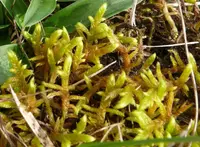
Press the moss fronds gently but firmly onto rough, stable surfaces such as lava rock, aged bark, or unglazed ceramic so the rhizoids can attach securely and form an even, persistent mat.

Layered mat building

Establish a thin, even first layer, let it root for several weeks, then patch bare areas with small additional tufts rather than piling moss thickly from the start to avoid rot and uneven drying.

Targeted misting zones

When mounting on vertical or sloped surfaces, mist the upper attachment points slightly more than the lower areas so moisture can move downslope and keep the entire colony hydrated without constant saturation.

Salt and mineral control

Use rainwater, distilled water, or low-mineral filtered water and occasionally flush the substrate to prevent salt buildup that can cause browning tips and slow decline over time when caring for wrinkle-leaved feather-moss.

Seasonal thinning

Once or twice a year, lift and remove weak, shaded interior patches and lightly tease apart overly dense clumps to improve air movement through the mat and reduce the risk of fungal issues in humid conditions.

Common Pests and Diseases

Slime contamination

Symptoms include slimy, discolored patches that overgrow the moss surface, often where water stagnates or organic debris accumulates. This problem can smother wrinkle-leaved feather-moss and cause sections to die back.

Solution

Reduce standing water and improve drainage so the substrate stays moist but not waterlogged, then gently remove contaminated patches with tweezers or a spoon. Rinse the remaining moss with clean, cool water, remove excess decaying material nearby, and increase air movement so surfaces dry slightly between misting or watering sessions.

Fungal dieback

This disease appears as dull, brown, or grayish patches that spread irregularly through dense cushions, often after prolonged humidity with little airflow. This condition can cause thinning of the moss carpet and loss of its typical wrinkled texture.

Solution

Trim out affected tufts with clean scissors and dispose of them, then space clumps slightly to open the structure and improve airflow. Reduce watering frequency, avoid overhead soaking in closed containers, and, if needed, apply a light spray of a moss-safe fungicide according to label directions while monitoring for regrowth of healthy green tissue.

Algal overgrowth

Symptoms include bright green, smooth, sometimes shiny films forming on soil, rocks, or over the moss itself, especially under constant high light and saturated moisture. This growth competes with the moss for light and can cause the moss to weaken and recede.

Solution

Cut back on constant surface wetness by letting the substrate surface partially dry between waterings and slightly reducing light intensity or duration. Gently scrape off algal layers with a soft brush or tweezers, flush the area with clean water, and remove excess dissolved nutrients such as fertilizer runoff to discourage regrowth when caring for wrinkle-leaved feather-moss.

Springtail overpopulation

These insects are tiny, pale to dark jumping arthropods that thrive in constantly wet substrates and may graze on delicate moss tissue or biofilms. In high numbers they can disturb new moss growth and create a messy, crawling layer on the surface.

Solution

Allow the surface layer to dry slightly between waterings to reduce habitat suitability and remove excess decaying organic material. If numbers remain high, use gentle mechanical control such as rinsing the surface under a soft stream of water, or introduce biological controls like predatory mites in enclosed setups while maintaining moderate, not saturated, moisture.

Mite damage

This pest is caused by small mites that may feed on young moss shoots, leading to uneven, patchy thinning and a rough, grazed appearance in localized areas. Damage is more noticeable in indoor culture or terrarium setups with warm, stagnant air.

Solution

Increase ventilation, slightly lower temperatures if possible, and avoid overfertilization, which can favor mite buildup. Rinse the moss periodically under a gentle stream of water and, if infestation persists, use a targeted, moss-safe miticide or insecticidal soap applied at low concentration, testing a small area first to ensure the moss tolerates the treatment.

Interesting Facts

Wrinkled leaf structure

This moss has uniquely rugose, or wrinkled, leaves that give its shoots a distinctly corrugated look, which helps distinguish it from most other pleurocarpous mosses that have smoother foliage.

Calcicolous habitat preference

It commonly grows on base-rich, calcareous substrates such as limestone outcrops and lime-influenced soils, making it a useful indicator of higher calcium availability in rocky and alpine habitats.

Low-growing mat formation

Instead of forming tall cushions, it typically develops low, creeping mats that can stabilize thin soils on rocky slopes and ledges and provide microhabitats for small invertebrates and other cryptogams.

FAQs about wrinkle-leaved feather-moss

This species forms low, creeping mats that expand slowly by vegetative growth and fragmentation. It can gradually cover suitable rock or soil surfaces but is not considered aggressive or difficult to control in typical garden settings.

Grow Healthy Plants with Botan Care

Keep your plants happy and healthy with plant identification, disease detection, and easy care guidance.

Botan plant care app — identify plants on mobile

Explore More Plants