rhizomnium moss Care (Rhizomnium glabrescens)

Also known as: fan moss
rhizomnium moss

About rhizomnium moss

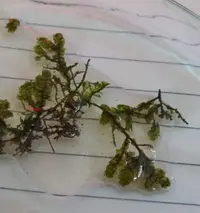
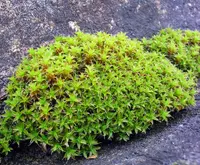
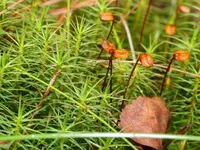
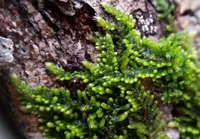
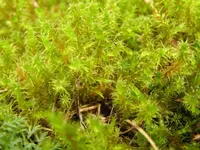
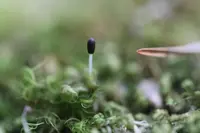
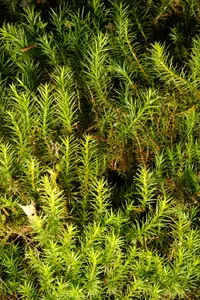
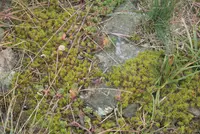
Rhizomnium glabrescens is a small acrocarpous moss that forms dense, bright green cushions or carpets. Its upright, leafy stems give a soft, miniature forest look. It naturally grows on moist forest floors, rotting wood, and shaded banks in temperate regions, often in cool, humid coniferous woods. This moss prefers consistent moisture, shade to dappled light, and stable, mild conditions, which makes indoor culture sensitive to drying and overheating. For those who want to care for rhizomnium moss successfully, the key traits to understand are its shallow root-like rhizoids and high humidity needs, which limit tolerance to neglect and low-humidity homes.

Main Plant Requirements

Care Difficulty

Moderate Care

Light Preference

Shade

Water Requirements

Keep Soil Moist

Temperature Preference

Cool Climate

Hardiness Zone

6–9

Soil Texture

Loamy, Silty, Organic-rich

Soil pH

Strongly acidic (4.5–5.5), Acidic (5.5–6.5)

Soil Drainage

Waterlogged tolerant

Fertilization

Minimal (feed rarely)

Get Personalized Care Plan

Scan your plant to receive care tips personalized for your specific plant

Available on iOS and Android

How to Care for the rhizomnium moss

This moss prefers low to medium light that mimics a shaded forest floor.

  • Provide bright shade or dappled light, such as under shrubs or trees, with 1–3 hours of soft morning sun and no direct afternoon sun.
  • In deep shade, growth slows and patches thin; in strong sun, fronds bleach, dry at the tips, or turn brown within a few days.
  • For rhizomnium moss in outdoor beds or terrariums, give more filtered light in summer and slightly brighter, indirect light in winter.

Consistently moist conditions are essential for healthy growth.

  • Aim for evenly damp substrate; the surface should feel moist but not soupy, with no standing water visible for more than a few hours after rain or watering.
  • Water when the top 0.5–1 cm of substrate starts to lose its sheen and feels just barely less moist, using a gentle spray or fine rose to avoid disturbing the moss.
  • In cooler seasons reduce frequency but never let Rhizomnium glabrescens fully dry; dull, curling, or crispy fronds indicate underwatering, while sour smell or slimy patches suggest oversaturation.

This species prefers cool to mild temperatures similar to a moist woodland environment.

  • Optimal growth occurs around 50–68°F (10–20°C), with steady moisture and shade; growth slows above or below this range but often resumes when conditions improve.
  • It usually tolerates brief dips to around 28–32°F (-2–0°C), but repeated hard frosts or freeze–thaw cycles can damage tissues and loosen the colony from the substrate.
  • Heat above 77–82°F (25–28°C), especially with direct sun and low humidity, can cause rapid desiccation; increase shade and mist lightly during hot, dry periods to limit stress.

This moss needs constant high humidity to stay dense and green.

  • Aim for 70–90% humidity, using a closed terrarium, covered tray, or humid case to maintain stable moisture around the plants.
  • Dry indoor air causes pale, crisping tips and shrinking cushions, indicating the moss is desiccating.
  • Increase humidity by misting with soft water, clustering containers, and adding a shallow water reservoir with a mesh or pebble layer below the moss.

Rhizomnium glabrescens prefers consistently moist, fine-textured, organic-rich substrates rather than standard potting mixes.

  • Use a mix of milled sphagnum, fine orchid bark, and leaf mold or composted pine fines to mimic damp forest floor conditions.
  • Aim for slightly acidic conditions around pH 5.0–6.0 to support healthy growth and discourage lime-loving competitors.
  • Ensure the substrate holds water but drains slowly by avoiding coarse sand or large perlite pieces that create dry air pockets.
  • Top-dress with shredded leaf litter or fine bark to keep capillary moisture near the surface and protect delicate rhizoids from drying.

This species adapts well to shallow containers and terrariums when moisture is stable.

  • Choose a low, wide container so the colony can spread laterally and form an even carpet without shading its own edges.
  • Use a reservoir-style setup with a raised mesh platform, allowing water storage below without letting the moss sit submerged.
  • Prefer glass or glazed ceramic over unglazed clay to reduce evaporation and keep the substrate evenly damp for longer periods.

This moss species needs minimal nutrition when grown in naturalistic or terrarium settings.

  • Use very weak, balanced liquid fertilizer (around 1/8–1/4 strength, such as 10-10-10) only if growth appears pale or stunted.
  • Apply at most every 4–6 weeks during active growth, after thorough watering to avoid burn.
  • Avoid slow-release pellets and heavy compost layers, which can promote algae and competing plants.
  • Stop feeding rhizomnium moss in winter or dormancy and focus on stable moisture and clean water.

Rhizomnium glabrescens benefits from light, periodic trimming to maintain an even carpet and good health.

  • Trim only during active growth, usually spring to early fall, so patches recover quickly.
  • Pinch or snip away dead, browned, or damaged tufts to limit decay and mold in dense cushions.
  • Thin crowded areas by removing small plugs to improve air movement and light penetration.
  • Use fine scissors or tweezers, cutting just above the soil surface without disturbing the substrate.

Transplanting is more relevant than repotting, since this moss is usually grown as a ground or substrate cover.

  • Consider transplanting when patches detach, the substrate compacts, or growth becomes thin and patchy.
  • Shift moss in mild, moist weather or in a humid indoor environment to limit drying stress.
  • Every 1–3 years, lift small sections with underlying substrate to new, clean, consistently moist media.
  • Water thoroughly with non-chlorinated water, then shade and maintain high humidity until growth re-anchors.

Rhizomnium glabrescens is commonly propagated vegetatively rather than from spores for reliable establishment.

  • Divide healthy cushions into small plugs, keeping some attached substrate beneath each piece.
  • Carry out division in cool, moist periods or in a high-humidity terrarium environment.
  • Lay sections firmly onto fresh, shaded, consistently damp substrate without fully burying shoots.
  • Mist with soft or rainwater, maintain gentle airflow, and avoid direct sun while new rhizoids anchor.

This moss is naturally cold hardy and usually needs little special winter care in the ground.

  • In very exposed sites, a light leaf mulch can moderate freezing and drying winds around the substrate.
  • For container cultures, move trays to a cold, bright, frost-free spot where they stay just above freezing.
  • Keep the medium barely moist; avoid both waterlogging and complete drying during freeze–thaw cycles.

Care Tips

Use Shaded Pre‑Filter

If placing this moss in a terrarium with stronger light, add a layer of taller plants or a fine mesh above it to create dappled shade and prevent the delicate shoots from drying or bleaching.

Stabilize Substrate Surface

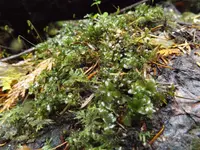
Before planting, gently firm the substrate and lightly press the moss into it so capillary contact is consistent, which helps the colony form an even, stable carpet instead of lifting or drying at the edges.

Cool Air Management

In warm rooms, position the container near the coolest part of the space, such as close to a tiled floor or north-facing wall, to keep air around the moss slightly cooler and reduce heat stress.

Targeted Misting Technique

When misting, aim above and let the droplets fall rather than spraying directly at close range, which avoids flattening the shoots and reduces the risk of stagnant water pockets that can promote mold.

Controlled Colonization

If patches start creeping into areas where other small plants grow, lift and replant small tufts with tweezers to create new cushions elsewhere, which keeps design lines clean while still growing rhizomnium moss effectively.

Common Pests and Diseases

Springtail overpopulation

This pest thrives in constantly wet moss substrates rich in decaying organic matter. Symptoms include tiny white or gray jumping insects on the moss surface, especially when disturbed.

Solution

Reduce standing water, improve drainage, and briefly lower moisture so the surface is damp rather than flooded while keeping the moss from drying out. If numbers stay high, gently flush the colony with dechlorinated water, then use a targeted, moss-safe biological control such as Bacillus thuringiensis israelensis (Bti) in water according to label directions.

Slugs and snails

These insects feed on tender moss tissues and can create irregularly grazed patches and thinning carpets, especially in shaded outdoor plantings or terrariums with high humidity. Trails of slime and missing green cushions are typical signs.

Solution

Hand-pick slugs and snails at night or early morning and remove cover objects where they hide. In outdoor setups, use physical barriers and iron phosphate bait placed away from the moss; in enclosed terrariums, remove pests manually and reduce excess leaf litter that shelters them.

Algal overgrowth

This disease appears as a slick green film or crust that forms over the moss surface when light is strong and water is stagnant. Symptoms include a dull, shiny layer that can smother the moss and slow new growth.

Solution

Increase water movement or refresh water more often, avoid direct strong light, and slightly reduce nutrient input from nearby soil or fertilizers. Gently rinse or brush the surface with soft water to break up the algal layer, then maintain moderate light and consistent but not stagnant moisture for stable Rhizomnium glabrescens plant care.

Fungal damping-off patches

This disease develops in overly saturated, poorly ventilated moss mats and presents as sudden collapse, browning, and decay of small sections of the cushion. Symptoms include mushy tissue that breaks down into a slimy layer.

Solution

Increase airflow, avoid continuous waterlogging, and allow the surface to drain between misting or flooding cycles while keeping the moss moist overall. Remove and discard severely affected clumps, then maintain cleaner water sources and avoid adding nutrient-rich substrates that favor fungal growth.

Mite feeding damage

This pest consists of tiny, often nearly invisible arthropods that feed on moss cells, leading to a rough, uneven texture and faded or bronzed patches. This pest is more likely in very dry, stressed sections or in enclosed containers with low air movement.

Solution

Improve humidity balance by avoiding complete drying while still allowing short breaks from saturation, and lightly mist to dislodge mites from the surface. If damage progresses, rinse the moss under a gentle stream of water and apply a targeted, low-toxicity miticide or insecticidal soap labeled safe for mosses, ensuring thorough but light coverage.

Interesting Facts

Pacific Northwest specialist

This moss is naturally concentrated in the humid forests of the Pacific Northwest, from coastal lowlands up into montane zones, where it thrives on decaying logs, humus-rich soil, and shaded stream banks.

Distinctive glossy leaves

It forms loose to dense mats of relatively large, glossy, bright to yellow‑green leaves that are broadly oval with a narrowed base, making it one of the more easily recognized Rhizomnium species in the field.

Indicator of moist forests

Because it favors cool, shaded, and consistently moist microhabitats, its presence is often used by bryologists as an indicator of stable, humid forest floor conditions and well‑developed decaying wood substrates.

Botan icon

Did you know?

In old-growth and mature conifer forests, this species frequently establishes early on fallen logs and stumps and helps trap fine organic particles, contributing to the gradual formation of a thicker, more sponge‑like bryophyte layer that supports other small plants and invertebrates.

FAQs about rhizomnium moss

Growth is moderate. In stable, moist conditions, small patches usually start to knit together within a few months and can form a continuous carpet in 12–24 months. Cooler temperatures and drying cycles slow growth noticeably.

Grow Healthy Plants with Botan Care

Keep your plants happy and healthy with plant identification, disease detection, and easy care guidance.

Botan plant care app — identify plants on mobile

Explore More Plants