Northern Naugehyde Liverwort Care (Ptilidium ciliare)

Also known as: Ciliated Fringewort
Northern Naugehyde Liverwort

About Northern Naugehyde Liverwort

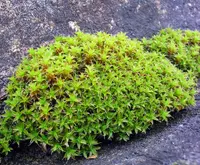
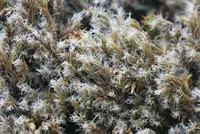
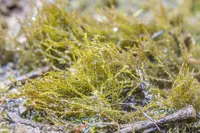
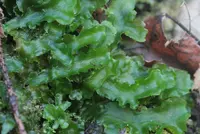
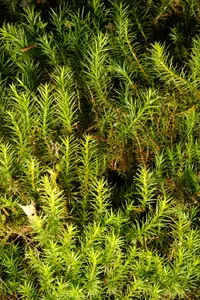
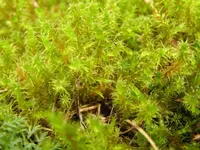
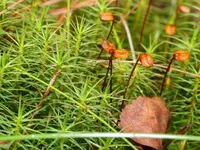
Northern Naugehyde liverwort, Ptilidium ciliare, is a small, non-vascular plant that forms dense, feathery mats rather than upright stems and leaves. It belongs to the group of bryophytes, which absorb water and nutrients mainly through their surfaces.

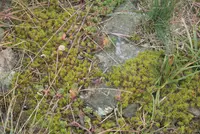
This species typically grows on acidic substrates such as peat, rotting wood, and rocky outcrops in cool, humid climates across boreal and temperate regions. It often appears reddish-brown to olive, with finely fringed lobes that give it a soft, textured look.

Its shallow hold on the substrate and need for constant moisture make it sensitive to drying out and handling. Anyone wanting to care for Northern Naugehyde Liverwort should provide stable humidity, gentle light, and an undisturbed, low-nutrient surface.

Main Plant Requirements

Care Difficulty

Moderate Care

Light Preference

Partial Shade

Water Requirements

Keep Soil Moist

Temperature Preference

Cold Hardy

Hardiness Zone

2–7

Soil Texture

Rocky, Peaty, Organic-rich

Soil pH

Strongly acidic (4.5–5.5), Acidic (5.5–6.5)

Soil Drainage

Moist but well-drained

Fertilization

Minimal (feed rarely)

Get Personalized Care Plan

Scan your plant to receive care tips personalized for your specific plant

Available on iOS and Android

How to Care for the Northern Naugehyde Liverwort

This small liverwort prefers cool, moist, low-light habitats rather than direct sun exposure.

  • Provide bright, dappled shade or full shade with only brief early-morning sun; aim for no more than 1–2 hours of soft direct light per day.
  • Avoid strong midday and afternoon sun, which can scorch and dry Northern Naugehyde Liverwort, especially on exposed rocks or logs.
  • In summer, increase shade or filtered light under shrubs or trees; in winter, slightly more open light is tolerated as the sun is weaker and air is cooler.

This bryophyte needs consistently moist conditions and does not tolerate drying out.

  • Keep the substrate evenly moist, not waterlogged; mossy soil, rotting wood, or rock crevices should feel damp to the touch at all times.
  • Increase watering or misting during warm, windy, or low-humidity periods if the surface starts to feel only slightly damp or edges look dull and shriveled.
  • Reduce added water in cool, wet seasons to prevent stagnant conditions; signs of overwatering include slimy, decaying patches and foul odor in the substrate.

This species is adapted to cool, humid climates and prefers moderate temperatures without extremes.

  • Aim for 45–65°F (7–18°C) for best growth; it remains active in cool conditions where many vascular plants slow down.
  • Ptilidium ciliare tolerates short dips near 20°F (-7°C) under snow or leaf litter but suffers tissue damage with repeated freeze-thaw cycles on exposed surfaces.
  • Prolonged heat above 75–80°F (24–27°C) can cause desiccation; provide extra shade, higher humidity, and good air movement during hot spells to keep tissues moist.

This moss-like liverwort needs consistently moist, cool air to thrive in cultivation.

  • Aim for 70–90% humidity; lower than 60% for long periods usually leads to decline.
  • Dry indoor air causes crisping tips, dull color, and shrinking patches as clear signs of humidity stress.
  • Increase humidity with an enclosed terrarium, frequent fine misting, or placing trays of water and stones nearby without letting the plant sit in water.

This species prefers a loose, fibrous, acidic, organic substrate that stays evenly moist but never stagnant.

  • Use a mix of fine orchid bark, milled sphagnum, and leaf mold or peat to mimic decomposing forest litter for Ptilidium ciliare.
  • Ensure very fast drainage by keeping the mix airy; aim for structure that holds moisture in fibers rather than dense particles.
  • Keep pH on the acidic side, roughly 4.5–6.0, avoiding lime or alkaline amendments that shift the chemistry.
  • Avoid compacted, clay-based, or heavily fertilized media, which limit aeration and encourage rot in delicate rhizoids.

This liverwort is suitable for shallow containers or terraria where constant moisture and high humidity can be maintained.

  • Choose a wide, shallow dish to accommodate creeping growth while keeping the substrate layer thin for better gas exchange.
  • Use a container that allows a drainage layer beneath the substrate so excess water can move away from the dense mat.
  • For open trays, select non-porous materials like plastic or glazed ceramic to slow evaporation and reduce edge desiccation.

This small non-vascular plant typically grows on nutrient-poor bark or rock and usually needs no added fertilizer.

Ptilidium ciliare requires minimal pruning, focused mainly on hygiene and maintaining an even mat.

  • Trim away clearly dead, browned, or decaying patches using fine scissors to limit rot spread.
  • Lightly neaten frayed edges in late spring or early summer to maintain a compact, uniform carpet.
  • Avoid cutting deeply into healthy, moist growth; remove only surface tufts to reduce stress.
  • Disinfect tools before use so fungal spores or bacteria are not transferred between colonies.

This liverwort is most often transplanted as mats rather than traditionally repotted.

  • Transplant in cool, moist weather, ideally in early spring or fall, to reduce desiccation stress.
  • Move only when growth thins, the substrate breaks down, or a container dries out too fast.
  • Lift thin mats gently with a spatula, keeping attached substrate intact to preserve rhizoids.
  • Set onto fresh, rough, acidic, moisture-retentive surfaces and keep evenly moist for several weeks.

Propagation of this liverwort is typically done vegetatively rather than from spores in home settings.

  • Use small mat fragments or tufts; each piece with healthy, moist growth can form a new patch.
  • Divide and place in early spring or early fall when ambient humidity is high and light is gentle.
  • Press fragments firmly onto rough, bark-like or rocky substrate so they maintain close contact.
  • Maintain constant surface moisture with soft, indirect light and good air movement while new growth anchors.

This species is naturally cold hardy in much of its range and usually needs little targeted winter care.

  • Outdoor colonies generally tolerate freezing and snow without added mulching or covers.
  • For Northern Naugehyde Liverwort in shallow containers, keep substrate barely moist, not saturated, in winter.
  • If containers may freeze solid, move them to an unheated but frost-sheltered area with good light.

Care Tips

Rock crevice mounting

Nest the mats into shallow rock crevices or between stone chips so rhizoids can anchor securely, which reduces desiccation and mechanical damage in exposed spots.

Shaded airflow management

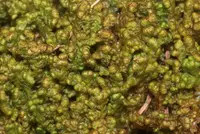
Position trays or slabs in a cool, shaded location with gentle cross-ventilation, such as an open-sided cold frame, to keep the foliage damp but discourage stagnant, disease-prone air pockets.

Rainwater rinse cycles

Periodically flush the colony with low-pressure rainwater or filtered water to remove dust and excess nutrients, which helps keep this oligotrophic, low-nutrient species compact and healthy when growing Northern Naugehyde Liverwort.

Fragment-based propagation

When expanding a colony, tear off small irregular fragments rather than cutting with scissors, then press them lightly onto fresh, moist substrate to mimic natural vegetative spread and improve establishment.

Seasonal moisture buffering

In windy or heated indoor environments, place water-filled trays or damp gravel around but not under the colony to raise local boundary-layer humidity without saturating the substrate.

Common Pests and Diseases

Desiccation damage

Symptoms include crisping, browning, and fragmentation of the fronds, often starting at exposed edges on dry, windy, or heated sites. This problem is especially common when wild-collected mats are moved to drier indoor or garden conditions.

Solution

Maintain constant high humidity around 70–90%, avoid direct heat sources and strong air currents, and keep the substrate evenly moist but not waterlogged. In caring for Northern Naugehyde Liverwort, place mats on a moisture-retentive but free-draining substrate, use a humidity dome or terrarium-style enclosure, and trim away severely dried patches to encourage new growth from protected, still-green areas.

Algal overgrowth

This disease appears as a slimy green film covering the thallus and substrate when the colony is kept in stagnant, overly wet, nutrient-rich conditions with low light movement. Growth of the liverwort slows and individual shoots may yellow beneath the algal layer.

Solution

Reduce standing water, increase airflow, and slightly lower humidity while keeping the substrate just moist. Gently rinse the mat with clean, low-mineral water, shade it from direct sun but ensure bright diffuse light, and in terrariums open vents or run a small fan to prevent further algal buildup.

Fungal mold

This disease presents as white, grey, or occasionally fuzzy patches that spread across the mat, especially in closed containers with saturated media and poor air exchange. Affected areas soften, turn brown, and may collapse.

Solution

Increase ventilation, reduce watering frequency, and allow the surface to dry slightly between waterings while avoiding complete desiccation. Carefully remove and discard heavily affected patches, then rinse remaining tissue with clean water and, if needed, apply a very dilute biological fungicide such as a Bacillus-based product according to label directions.

Slugs and snails

These pests feed on the tender lobes, leaving irregular holes, shredded margins, and slimy trails on and around the mats, especially in cool, damp outdoor or greenhouse settings. Damage can be extensive overnight in small container cultures or trays.

Solution

Hand-pick slugs and snails during evening or early morning, and use physical barriers such as copper tape or fine mesh around benches and trays. In outdoor or greenhouse culture, set up beer traps or use iron phosphate bait placed away from the liverwort mats to reduce populations with minimal impact on other organisms.

Mite damage

This pest issue shows as tiny bleached or silvery speckling on fronds, loss of the normal reddish-brown color, and gradual thinning of the mat, often under warm, dry indoor conditions. Mites are usually not visible without magnification but may be found along stems and between overlapping lobes.

Solution

Increase humidity and gently rinse the colony under a fine stream of lukewarm water to dislodge mites. For persistent infestations, apply a gentle, plant-safe acaricide or insecticidal soap at low concentration, ensuring good coverage but avoiding prolonged saturation of the substrate to prevent secondary fungal problems.

Interesting Facts

Fringed leaf edges

This liverwort has deeply divided, overlapping leaves whose margins are lined with fine cilia, giving cushions a distinct fringed and somewhat hairy appearance when viewed with a hand lens.

Boreal and oceanic specialist

It is strongly associated with cool, humid, often oceanic climates and is common on acidic rocks, peat, and old conifer logs in boreal and subarctic regions across the Northern Hemisphere.

Indicator of old habitats

Dense mats often develop on long-undisturbed substrates, so its presence can indicate stable, relatively undisturbed heath, bog, or old forest habitats with consistently high humidity.

Botan icon

Did you know?

This species frequently forms striking reddish to copper-brown carpets in exposed but humid sites, with its color intensifying under strong light and low temperatures, which makes it a useful visual marker for cold, open heath and moorland environments.

FAQs about Northern Naugehyde Liverwort

This species spreads slowly to moderately by creeping stems and small fragments that root where they lodge in moist substrates. It can form dense cushions over time but is not considered aggressively spreading or difficult to control in gardens or terrariums.

Grow Healthy Plants with Botan Care

Keep your plants happy and healthy with plant identification, disease detection, and easy care guidance.

Botan plant care app — identify plants on mobile

Explore More Plants