platyhypnidium moss Care (Rhynchostegium riparioides)

Also known as: Long-beaked Water Feather-moss
platyhypnidium moss

About platyhypnidium moss

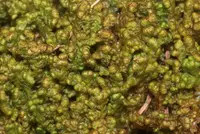
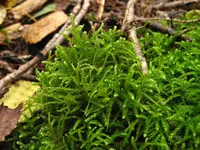
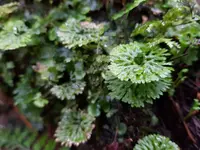
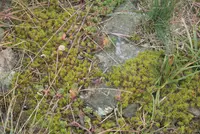
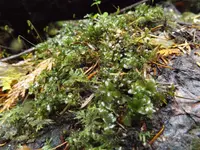
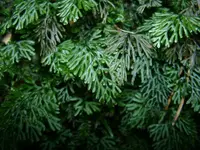
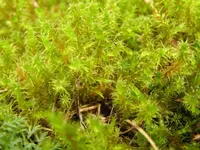
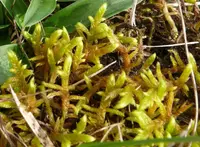
Platyhypnidium moss, Rhynchostegium riparioides, is an aquatic or semi-aquatic moss that often grows on rocks, wood, and stream banks in clean, fast-flowing water. It forms dense, green, feathery carpets or trailing mats that move gently with the current.

In nature, it is widespread across Europe and parts of North America, usually in cool, humid habitats with good water quality. Its ability to adapt to submerged or very moist conditions makes it popular for aquariums, paludariums, and riparium-style setups.

This moss is generally considered moderate in difficulty because it needs stable moisture, low to moderate light, and clean water or consistently damp surfaces. Understanding how to care for platyhypnidium moss mainly involves keeping conditions cool, shaded, and evenly moist without long dry periods.

Main Plant Requirements

Care Difficulty

Moderate Care

Light Preference

Partial Shade

Water Requirements

Aquatic

Temperature Preference

Cold Hardy

Hardiness Zone

4–9

Soil Texture

Loamy, Silty, Organic-rich

Soil pH

Acidic (5.5–6.5), Slightly acidic (6.5–7.0)

Soil Drainage

Waterlogged tolerant

Fertilization

Minimal (feed rarely)

Get Personalized Care Plan

Scan your plant to receive care tips personalized for your specific plant

Available on iOS and Android

How to Care for the platyhypnidium moss

Rhynchostegium riparioides prefers soft, indirect light that mimics a shaded stream bank.

  • Provide bright shade or dappled light, such as under shrubs or trees, with only 1–2 hours of weak morning sun and no direct afternoon sun.
  • Tolerates full shade but grows denser with filtered light; in deep shade, fronds may elongate and turn dull green, indicating low-light stress.
  • Protect from strong sun, which can bleach and dry cushions within hours; in open sites, use rocks or taller plants to cast shade, especially in summer.

This moss thrives in consistently moist, never stagnant, conditions along water edges and damp rocks.

  • Aim for constantly damp substrate; do not allow the top 0.5–1 cm to turn crisp-dry, but brief surface drying with moist layers beneath is acceptable.
  • Increase watering or misting during hot, windy weather when fronds start to curl or pale, clear signs that the plant is drying out.
  • Avoid waterlogged, anaerobic conditions; if water smells sour, substrate feels slimy, or shoots darken and detach easily, reduce standing water and improve flow.

This streamside moss favors cool to mild temperatures and stable, humid air around it.

  • Ideal growth occurs around 50–68°F (10–20°C), typical of shaded creek banks and splash zones.
  • Tolerates cold down to about 23°F (-5°C) under snow or constant moisture, but repeated freeze–thaw with exposed, dry cushions can cause browning.
  • Handles short warm spells up to about 77–82°F (25–28°C) if shade and high humidity are maintained; in hotter periods, increase moisture and airflow to prevent overheating.

This riparian moss needs consistently high humidity to thrive in cultivation.

  • Aim for 70–90% humidity, similar to streamside conditions where Rhynchostegium riparioides naturally grows.
  • It tolerates only brief dips to 50–60%; prolonged dry air causes pale, brittle tips and slowed growth.
  • Increase humidity with closed terrariums, misting 1–2× daily with soft water, or placing containers above shallow water trays near platyhypnidium moss.

This species prefers constantly moist, organic-rich substrates that mimic stream banks and wet rock crevices.

  • Use a fine-textured mix such as 60–70% sphagnum peat or coco fiber with 30–40% sand or fine gravel for structure.
  • Ensure very free drainage beneath the moss layer by adding a coarse gravel or lava rock base so water never stagnates around rhizoids.
  • Target slightly acidic to neutral conditions, roughly pH 5.5–7.0, which support nutrient availability without promoting lime deposits.
  • Avoid dense clay, peat-only mixes kept waterlogged, or any substrate that dries to a hard crust, since these restrict aeration and rhizoid anchoring.

This moss can adapt well to container culture when moisture and stability are carefully managed.

  • Select a shallow, wide container so the spreading mats can anchor evenly and stay in contact with moist surfaces.
  • Use a sealed or semi-enclosed container only if it allows condensation to run off rather than drip heavily onto the moss surface.
  • Place mesh or perforated plastic above a drainage layer so water can be flushed through without dislodging the delicate mats.

Rhynchostegium riparioides grows well with minimal feeding, especially in clean, low-nutrient water or moist substrates.

  • If growth is very pale or stunted, use a highly diluted balanced aquatic or general-purpose NPK fertilizer at 10–25% strength.
  • Apply only during active growth in spring–summer, typically every 4–6 weeks at most.
  • Avoid slow-release pellets directly on the moss, which can cause algal blooms and tissue burn.
  • In aquaria or caring for platyhypnidium moss emersed, rely mainly on partial water changes and very light dosing.

Rhynchostegium riparioides benefits from light pruning to maintain dense, healthy mats in aquaria or stream setups.

  • Trim during active growth in spring or early summer for fastest recovery and regrowth.
  • Remove dead, browned, or algae-covered shoots, plus very long strands that shade inner sections.
  • Use clean, sharp aquascaping scissors or small scissors; avoid crushing the delicate stems.
  • Regular light trimming encourages compact, bushy growth and improves water flow around the moss.

This moss is usually attached to rock, wood, or substrate rather than grown in traditional pots, so transplanting focuses on repositioning mats.

  • Transplant when clumps detach, grow too dense, or when flow and light distribution need improvement.
  • Best timing is during mild conditions in spring or early autumn, avoiding heat waves or extreme cold.
  • Gently lift sections, keep them moist, and reattach to new hardscape with fishing line, mesh, or plant-safe glue.
  • Minimize handling time and maintain stable water and light conditions afterward to reduce transplant stress.

Rhynchostegium riparioides is commonly propagated by division, using small fragments rather than spores in home setups.

  • Best season is spring–summer, when growth is active and recovery is fastest.
  • Cut or tear healthy, algae-free tips into small pieces and spread them thinly over rock, wood, or mesh.
  • Provide constant moisture, gentle water movement, and moderate light to encourage rhizoid anchoring.
  • Avoid burying fragments; instead, press them lightly onto rough surfaces so they can attach over several weeks.

In outdoor, temperate climates, this moss is cold hardy and usually needs little dedicated winter care.

  • In streams or ponds, ensure water continues to move so ice does not form thick, stagnant layers over the moss.
  • Container or aquarium cultures can stay at 40–60°F, with stable water and reduced lighting and nutrients.
  • If grown on outdoor hardscape that dries in winter winds, keep it occasionally misted during mild thaws.

Care Tips

Anchor To Substrate

Press small, damp clumps firmly onto stone, wood, or aquarium hardscape and secure them with fine fishing line or moss cotton for 2–4 weeks until new rhizoids anchor and the moss no longer lifts when gently touched.

Control Water Movement

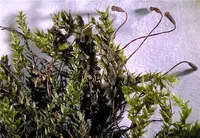
In aquaria or outdoor water features, position mats in low to moderate flow zones where water moves but does not blast directly onto the moss, using rocks or driftwood as baffles to reduce mechanical damage and prevent detachment.

Stage Gradual Emersion

When transitioning from submerged to emersed culture, lower water levels in stages over 1–2 weeks and keep ambient humidity high so shoots adapt to air exposure without desiccation or dieback.

Use Pre‑Filtered Water

If the water source is hard or chlorinated, run it through activated carbon or use aged, dechlorinated water to limit mineral crusts and chemical stress that can clog and discolor the fine moss foliage.

Routine Debris Grooming

Every 1–2 weeks, gently swirl water over the colony or use a soft brush or turkey baster to remove silt, algae film, and leaf litter so the photosynthetic surfaces stay clean and the mats do not suffocate, which is central to good Rhynchostegium riparioides plant care.

Common Pests and Diseases

Aquatic snails

This pest commonly grazes on soft moss tissue in aquaria and outdoor water features, thinning cushions and leaving uneven, bare patches. Symptoms include slow loss of fronds, ragged edges, and visible snails or egg clusters on hard surfaces nearby.

Solution

Manually remove visible snails and egg clutches, reduce overfeeding of fish to limit food sources, and use physical barriers such as fine mesh over key moss areas if needed. In aquaria, introduce appropriate snail-eating fish or invertebrates compatible with the setup, and avoid copper-based treatments that may damage the moss.

Black beard algae

This pest often colonizes submerged moss in aquaria under high nutrients and inconsistent CO2, forming dark, brushlike tufts that smother the shoots. Symptoms include slow moss growth, grey to black filaments, and trapped detritus within the moss carpet.

Solution

Reduce organic waste through regular water changes and careful feeding, stabilize CO2 and lighting duration, and manually trim or pull out heavily infested moss sections. Spot treat affected areas outside the tank with dilute liquid carbon or hydrogen peroxide, rinse thoroughly, then reintroduce, monitoring closely for regrowth as part of broader platyhypnidium moss indoor care.

Filamentous algae

This pest develops in slow-moving or nutrient-rich water, wrapping fine green threads around the moss and blocking light and flow. Symptoms include long, slimy strands that cling to the moss surface and trap debris.

Solution

Manually twirl and remove algae using a toothbrush or fine stick, siphon out loose strands, and correct excess nutrients by reducing fertilization and organic buildup. Improve water circulation around the moss, shorten light duration if very high, and use fast-growing companion plants to compete for nutrients.

Fungal leaf blight

This disease appears in very still, humid setups where water droplets sit on the moss, leading to localized pale brown patches with a soft, collapsing texture. Symptoms include rapid breakdown of affected tufts and occasional fine white or grey fungal growth on dead tissue.

Solution

Remove and discard all blighted moss segments and increase water movement and air exchange above the colony. Avoid constant surface wetting from splashing or misting, keep the substrate and surrounding hardscape clean, and in terrarium setups briefly improve ventilation until new healthy growth appears.

Bacterial slime

This disease occurs when organic waste and stagnant water accumulate, creating a thin, translucent, sometimes milky biofilm over the moss that blocks gas exchange. Symptoms include a slippery coating, unpleasant odor, and yellowing or suffocating shoots underneath the film.

Solution

Manually siphon or rinse away slime layers, then correct the cause by increasing water changes, mechanical filtration, and gentle flow across the moss. Reduce decaying organic material, avoid overfeeding in aquaria, and allow the moss to recover under cleaner, well-oxygenated conditions.

Interesting Facts

River current specialist

This moss naturally anchors to rocks, wood, and concrete in fast-flowing streams and rivers, using dense rhizoids to stay attached even in strong currents and fluctuating water levels.

Water quality indicator

Populations often decline in heavily polluted or nutrient-enriched streams, so its presence in the wild is used by freshwater ecologists as a rough indicator of relatively clean, oxygen-rich water.

Flexible growth form

It can form trailing mats under water with elongated, flowing shoots, but in shallower or periodically exposed sites it develops denser, more compact cushions adapted to changing moisture conditions.

Botan icon

Did you know?

This species has been widely used in experimental flumes and laboratory channels to study how aquatic plants alter water flow and trap fine sediments, helping researchers understand riverbed stability and habitat formation for aquatic invertebrates and fish.

FAQs about platyhypnidium moss

Growth is moderate. In suitable cool, moist conditions it typically extends a few millimeters per month, forming noticeable mats within 6–12 months. Stable moisture, gentle water movement, and low light stress help maintain steady growth without sudden dieback.

Grow Healthy Plants with Botan Care

Keep your plants happy and healthy with plant identification, disease detection, and easy care guidance.

Botan plant care app — identify plants on mobile

Explore More Plants