

Use mineral-poor water
Collect rainwater or use filtered, low-mineral water to prevent lime and salt buildup that can weaken dense mats over time.

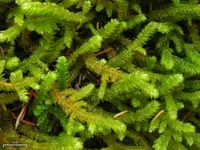
Robust rhytidiopsis moss, Rhytidiopsis robusta, is a hardy, creeping moss that forms dense, green mats over soil, rocks, and decaying wood. Its stems are often irregularly branched, giving a slightly untidy yet attractive texture.
This moss is native to cool, moist forest habitats, especially in higher rainfall regions. It usually thrives where light is filtered and humidity stays steady.
Rhytidiopsis robusta is generally resilient once established, but it depends on consistent moisture and protection from strong sun or drying winds. Understanding these natural conditions helps clarify how to care for robust rhytidiopsis moss in gardens, terrariums, or shaded landscape areas.

Care Difficulty
Moderate Care

Light Preference
Partial Shade

Water Requirements
Keep Soil Moist

Temperature Preference
Cool Climate

Hardiness Zone
5–8

Soil Texture
Loamy, Silty, Organic-rich

Soil pH
Strongly acidic (4.5–5.5), Acidic (5.5–6.5)

Soil Drainage
Moist but well-drained

Fertilization
Minimal (feed rarely)
Scan your plant to receive care tips personalized for your specific plant
Available on iOS and Android
This moss prefers cool, soft light that mimics a shaded forest floor.
Rhytidiopsis robusta thrives in consistently moist, not waterlogged, conditions.
This species is adapted to cool, temperate climates with moderate seasonal variation.
This species prefers steady, cool, moist air and reacts quickly to drying conditions.
Rhytidiopsis robusta thrives in consistently moist, airy, organic-rich substrates that never become waterlogged.
This moss can be grown in shallow containers if moisture and stability are carefully managed.
This moss has low nutrient demand, so fertilizing Rhytidiopsis robusta should be light and infrequent.
Pruning Rhytidiopsis robusta is mainly cosmetic, keeping mats tidy and healthy.
This moss is more often transplanted than repotted, since it usually grows as a ground or substrate cover.
Rhytidiopsis robusta is commonly propagated by division of existing mats rather than from spores at home.
This moss is generally cold hardy in temperate climates and usually needs minimal winter care outdoors.

Plant Health Check
Not sure what's wrong with your plant? Check your plant's health inside the app.
This moss occurs mainly in cool, moist coniferous forests of western North America, often under spruce, fir, or hemlock canopies where snow cover is reliable in winter.
Its long, coarse, somewhat rigid stems and arching branches help it tolerate heavy, compacted snowpacks in mountain forests without breaking apart.
Compared with many forest mosses, it forms relatively robust, shaggy mats with thick stems, which field botanists use as a visual clue when identifying and studying Rhytidiopsis robusta care in its natural habitat.
This species performs best outdoors in cool, shaded, consistently moist sites with clean air and stable humidity. Indoors it is difficult to maintain long term unless humidity, airflow, and moisture levels are managed very carefully.
Keep your plants happy and healthy with plant identification, disease detection, and easy care guidance.

tortula moss
Syntrichia montana
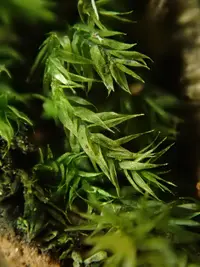
Clustered Feather-moss
Rhynchostegium confertum
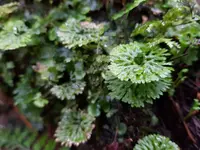
shiny film liverwort
Hymenophyton flabellatum
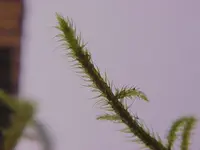
goose neck moss
Rhytidiadelphus loreus
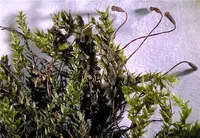
platyhypnidium moss
Rhynchostegium riparioides
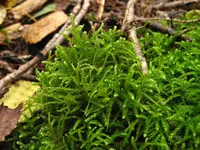
Eurhynchium angustirete
Eurhynchium angustirete
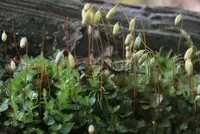
Dotted Thyme-moss
Rhizomnium punctatum
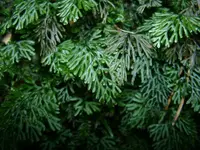
Tunbridge filmy fern
Hymenophyllum tunbrigense