brown screw-moss Care (Syntrichia princeps)

Also known as: tortula moss
brown screw-moss

About brown screw-moss

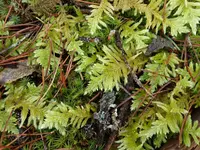
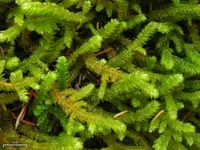
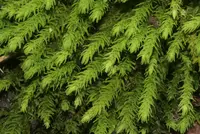
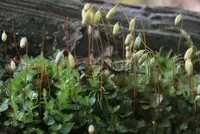
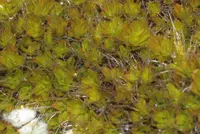
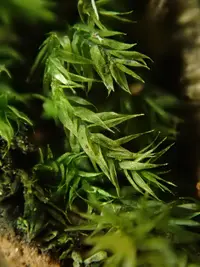
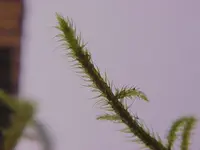
Brown screw-moss (Syntrichia princeps) is a small, hardy moss that forms dense, cushion-like mats with tightly twisted, brownish-green leaves when dry. When moist, the leaves open and turn greener, creating a soft, velvety surface.

This species occurs widely on rocks, soil, and man-made surfaces in temperate and arid regions, often in exposed, sunny sites. It is highly tolerant of drying out and can quickly revive after rain, which makes it relatively forgiving to grow.

Those who want to learn how to care for brown screw-moss should know it prefers bright light, good air flow, and a stable but not constantly waterlogged substrate.

Main Plant Requirements

Care Difficulty

Moderate Care

Light Preference

Partial Shade

Water Requirements

Regular Water

Temperature Preference

Cool Climate

Hardiness Zone

Unknown

Soil Texture

Rocky, Sandy, Loamy

Soil pH

Acidic (5.5–6.5), Slightly acidic (6.5–7.0)

Soil Drainage

Moist but well-drained

Fertilization

Minimal (feed rarely)

Get Personalized Care Plan

Scan your plant to receive care tips personalized for your specific plant

Available on iOS and Android

How to Care for the brown screw-moss

Syntrichia princeps prefers bright, indirect light that mimics open yet lightly sheltered rock or soil surfaces.

  • Aim for 3–5 hours of gentle morning sun with light shade or dappled light the rest of the day to reduce desiccation risk.
  • Tolerates partial shade, but dense shade for many days can slow growth and cause thinning, especially in compact brown screw-moss patches.
  • Avoid harsh summer afternoon sun, which can over-dry exposed cushions; offer light shade or filtered light during the hottest months.

This moss is drought-tolerant but grows best with periodic moisture pulses rather than constant saturation.

  • Outdoors on soil or rock, allow the surface to dry fully between soakings; rehydrate when leaves look crisp and slightly curled, then wet thoroughly.
  • Ensure rapid drainage so water does not stand longer than 1–2 hours; persistently soggy sites promote decay and algae overgrowth.
  • In hotter, windy periods, expect more frequent wetting; in cool or rainy seasons, reduce intentional watering and watch for pale, mushy patches as a sign of excess moisture.

This species is quite hardy and adapts to a wide temperature range when moisture levels are suitable.

  • Active growth is strongest around 50–70°F (10–21°C), with steady moisture and some daily light exposure.
  • Tolerates winter cold below 20°F (-6°C) once established, surviving frozen and resuming activity when temperatures rise and surfaces thaw.
  • Handles short heat spells up to about 90–95°F (32–35°C) if not in direct intense sun all day and if occasional misting or rainfall prevents extreme drying.

This moss prefers moderately moist air but mainly relies on surface moisture rather than ambient humidity.

  • Aim for 40–60% humidity, while focusing on keeping the substrate evenly damp but not waterlogged.
  • It tolerates short dry-air periods but desiccates if both air and substrate stay dry for long.
  • Humidity stress shows as crisped, pale cushions that rehydrate slowly after misting.
  • Increase local humidity with a shallow water tray near the colony or brief, fine misting during hot, dry spells.

This moss anchors best on firm, mineral-based, free-draining substrates rather than deep, soft potting mixes.

  • Use a shallow layer over gritty sand or fine gravel with a thin topping of sifted, low-organic soil to mimic rocky ground.
  • Ensure very sharp drainage, as standing water around the rhizoids encourages rot and algae that can smother Syntrichia princeps.
  • A slightly acidic to neutral surface (pH 6.0–7.0) is suitable, especially if the mineral base is not strongly calcareous.
  • Improve aeration by mixing 30–50% coarse sand or fine grit into the surface layer and avoid peat-heavy, compacting substrates.

This species can be grown in shallow containers if drainage and surface conditions closely mimic exposed rock or compact soil.

  • Choose a wide, shallow container so the moss forms low cushions without staying wet in deeper, cooler soil layers.
  • Select unglazed clay if extra evaporation is needed, or plastic if moisture retention is a challenge in hot, dry climates.
  • Elevate the pot slightly so drainage holes remain clear and excess water exits quickly after rain or watering.

Syntrichia princeps is adapted to low‑nutrient habitats and usually needs no added fertilizer in typical indoor or outdoor culture.

Pruning needs are minimal, focusing on cosmetic tidying rather than shaping growth for Syntrichia princeps.

  • Trim away dead or discolored patches at any time using clean, fine scissors or tweezers.
  • Remove loose, decaying debris on the moss surface to reduce fungal problems and maintain airflow.
  • Lightly thin overly dense tufts to prevent trapped moisture and encourage even new growth.
  • Avoid cutting deeply into healthy cushions, which can expose the substrate and dry the colony.

This moss is usually grown on rocks, wood, or shallow trays, so transplanting is rare and mainly done for layout changes.

  • Transplant when mats detach easily, growth becomes patchy, or the substrate compacts and drains poorly.
  • Choose cool, mild weather or a shaded indoor period to move colonies and reduce stress.
  • Lift thin mats gently with a spatula, keeping as much substrate attached as possible beneath the rhizoids.
  • Reposition onto fresh, well‑drained medium, press lightly for contact, and keep evenly moist until reanchored.

Syntrichia princeps spreads mainly by division of existing cushions rather than by intentional spore sowing in home culture.

  • Divide healthy, dense mats into small sections, each with green shoots and attached substrate.
  • Carry out division in cool, moist conditions, avoiding hot or very dry periods.
  • Press each fragment onto a slightly rough, well‑drained surface so rhizoids can grip and anchor.
  • Maintain high ambient humidity and gentle, indirect light until new tips extend and gaps fill in.

This moss is cold hardy and normally needs no special winter care outdoors in most temperate climates.

  • For shallow trays or containers in regions below about 10°F, move under shelter to reduce freeze–thaw stress.
  • Keep the substrate just barely moist; prolonged saturation in cold conditions can cause rot.
  • Avoid deicing salts and runoff, which damage moss tissue and soil structure.

Care Tips

Fragment propagation

When patches are well established, gently lift small clumps or even loose leaf fragments and press them onto a new, clean, rough surface (such as unglazed brick or porous rock), then mist lightly so the fragments make firm contact and can anchor.

Substrate selection

For long-term mats, mount the moss on mineral, low-organic substrates like lava rock, brick, or sandy mortar rather than peat-heavy mixes, which compact and stay too wet for this drought-adapted species.

Drying cycle management

Periodically allow the colony to dry fully and remain crisp-dry for 1–3 days before rehydrating, which mimics its natural boom-and-bust moisture cycle and helps maintain dense, resilient cushions.

Airflow and cleanliness

Provide gentle but consistent airflow and occasionally use a hand air-blower or soft brush to remove settled dust, since fine particles can clog the leaf surfaces and reduce photosynthesis in compact cushions.

Outdoor seasonal hardening

If moving a tray or panel outdoors, increase exposure over 7–10 days by starting in bright shade and gradually adding more direct light and wind, which hardens the moss and reduces shock when growing brown screw-moss in variable weather.

Common Pests and Diseases

Desiccation stress

Symptoms include crisp, bleached, and brittle shoots that fail to rehydrate after watering or rainfall. This problem is common when clumps are grown in overly exposed, hot, or windy sites or kept too dry in shallow containers.

Solution

Provide partial shade during the hottest part of the day, reduce wind exposure, and maintain steady but not waterlogged moisture by misting or gentle overhead watering. In cultivation, use a moisture-retentive but well-drained substrate and allow short dry periods only, trimming away irreversibly dead, pale-brown tissue to encourage new growth when growing brown screw-moss.

Algal overgrowth

This disease appears as a slimy green film covering the moss cushions, especially in nutrient-rich, constantly wet settings. This layer can smother the moss and reduce photosynthesis by blocking light.

Solution

Reduce nutrient input (for example, avoid fertilizer run-off), increase light and airflow, and allow brief drying intervals so the surface is not continuously waterlogged. Rinse the surface gently with clean water and, if needed, carefully scrape or dab away heavy algal mats without disturbing the moss rhizoids too much.

Fungal leaf blight

This disease shows as scattered dark spots, grey patches, or a fuzzy coating on the moss leaves, typically after long periods of stagnant, humid air. Affected cushions may thin, collapse, or decay unevenly.

Solution

Improve air circulation, avoid crowding in terraria or trays, and allow the surface to dry slightly between waterings while still keeping the substrate lightly moist. Remove and discard heavily affected tufts, then irrigate in the morning so foliage dries more quickly and, if needed, apply a mild, moss-safe fungicide according to label instructions for bryophytes or sensitive groundcovers.

Slugs and snails

These insects create irregularly grazed patches, missing cushions, and slime trails on or around the moss, especially in damp, shaded outdoor areas. Feeding can strip small colonies and expose the substrate.

Solution

Hand-pick slugs and snails during the evening or early morning and use physical barriers such as copper tape or sharp grit around containers or beds. Reduce hiding places like dense debris near the colony and, if necessary, deploy iron phosphate slug baits placed away from the main moss patch to limit direct contact with the plant.

Oribatid mites

This pest consists of tiny soil-dwelling mites that feed on moss tissue and organic debris, sometimes thinning cushions and slowing growth in long-term cultures. Damage is usually subtle but can be visible as uneven, patchy tufts and reduced vigor in stable environments such as moss trays or lab-style cultures.

Solution

Maintain balanced moisture and avoid chronic over-fertilization or heavy organic accumulation that favors mite buildup. If populations become problematic, refresh part of the substrate, divide and replant healthy clumps into clean containers, and briefly submerge affected moss in clean, cool water to dislodge some mites before re-establishing under good airflow and moderate humidity.

Interesting Facts

Desert survival specialist

This moss often grows in semi-arid and high-light habitats, tolerating intense sun and long dry periods that would kill many other mosses.

Twisted leaf hygrometer

Its narrow leaves twist tightly around the stem when dry and spread out again when moist, a reversible movement driven purely by changes in water content in the leaf tissues.

Tiny soil stabilizer

Dense cushions of this species help bind loose mineral soil and rock crevices, slightly reducing erosion and trapping fine particles that support other pioneer organisms.

Botan icon

Did you know?

Under dry, exposed conditions this species can enter a long-lived dormant state, losing almost all free water, then quickly restarting photosynthesis within minutes after rehydration, a classic example of desiccation tolerance in bryophytes.

FAQs about brown screw-moss

This moss spreads slowly by spores and short creeping stems, forming tight cushions rather than fast carpets. It rarely becomes a nuisance and is usually easy to keep within boundaries on rock gardens, bonsai, or small displays.

Grow Healthy Plants with Botan Care

Keep your plants happy and healthy with plant identification, disease detection, and easy care guidance.

Botan plant care app — identify plants on mobile

Explore More Plants