papillose tortula moss Care (Syntrichia papillosa)

Also known as: Marbled Screw-moss
papillose tortula moss

About papillose tortula moss

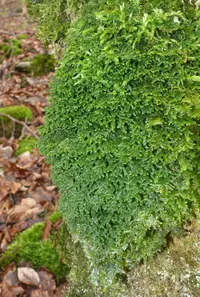
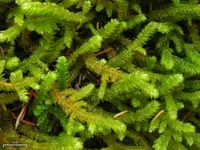
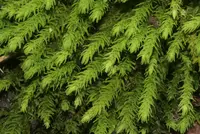
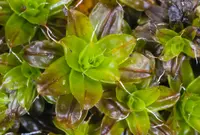
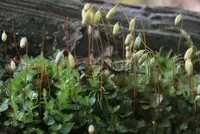
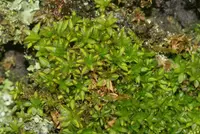
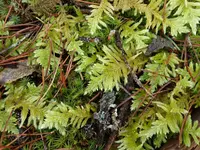
Papillose tortula moss (Syntrichia papillosa) is a small, cushion-forming moss valued for its dense, velvety mats of bright to dark green leaves. It typically grows low to the ground on rocks, tree bases, old walls, and compacted soil.

This moss is native to many temperate regions, especially Europe, and often appears in urban sites where surfaces stay slightly moist. It spreads mainly through tiny leaf clusters called gemmae, which help it colonize new areas quickly.

Syntrichia papillosa is generally hardy and tolerant of some drying out, which makes it easier to maintain than many delicate mosses. Those who care for papillose tortula moss should provide soft light, steady moisture, and a stable, non-acidic substrate for best appearance.

Main Plant Requirements

Care Difficulty

Moderate Care

Light Preference

Partial Shade

Water Requirements

Regular Water

Temperature Preference

Cold Hardy

Hardiness Zone

4–9

Soil Texture

Rocky, Sandy, Loamy

Soil pH

Acidic (5.5–6.5), Slightly acidic (6.5–7.0)

Soil Drainage

Moist but well-drained

Fertilization

Minimal (feed rarely)

Get Personalized Care Plan

Scan your plant to receive care tips personalized for your specific plant

Available on iOS and Android

How to Care for the papillose tortula moss

This small moss prefers soft, indirect light that mimics its natural habitats on shaded rocks, bark, and soil.

  • Provide bright shade or dappled light with 1–3 hours of gentle morning sun; avoid harsh midday or afternoon sun that can scorch and dry it quickly.
  • Tolerates deep shade but forms looser, more open cushions if light is too low; growth is denser in bright, filtered conditions.
  • In summer, protect papillose tortula moss from extended full sun and reflective heat; in cooler seasons it can handle slightly more direct morning exposure.

Moist but not constantly saturated conditions support healthy Syntrichia papillosa colonies.

  • Let surfaces start to look just dry before rewetting; in the wild this moss often cycles between damp and briefly dry rather than staying soaked.
  • In mild, humid weather, occasional thorough wetting is usually enough; during hot, windy periods, increase misting or gentle watering when foliage feels crisp or curls strongly.
  • Reduce heavy watering in cool seasons to avoid stagnant moisture and algae; persistent sogginess, foul smell, or slimy patches signal overwatering, while pale, brittle cushions indicate underwatering.

This hardy moss copes with a wide temperature range but grows best in cool to mild conditions.

  • Optimal growth occurs around 50–70°F (10–21°C), where cushions stay compact and recover moisture quickly after drying.
  • It tolerates light frost and short dips near 23°F (-5°C), especially when attached to rock or bark, but extended hard freezes can damage exposed, desiccated patches.
  • In hotter periods above 80°F (27°C), provide shade and good air movement; the moss survives by drying and going dormant but benefits from cooler night temperatures and periodic rewetting.

This moss prefers moderate, stable humidity but tolerates short dry spells if it can rehydrate.

  • Aim for 50–70% humidity and allow brief surface drying, as the moss stores some moisture in its tissues.
  • Crisping, pale patches, and slow rehydration after watering indicate humidity stress or prolonged dryness.
  • Increase humidity by misting lightly, placing shallow water trays nearby for evaporation, or grouping other moisture-loving plants close to papillose tortula moss.

This species anchors to shallow, gritty, organic surfaces rather than deep, conventional potting substrates.

  • Use a thin layer of fine, sandy substrate mixed with 20–30% sifted compost or leaf mold over rock, broken brick, or compacted soil.
  • Ensure very sharp drainage so water drains within minutes, preventing stagnant moisture that encourages algae or rot.
  • Keep pH roughly neutral to slightly acidic (pH 5.5–7), avoiding liming agents that can create a crusty, inhospitable surface.
  • Improve aeration and drainage by adding fine horticultural grit, pumice, or coarse sand instead of perlite, which tends to float.

This moss is suitable for shallow containers, trays, or bonsai-style plantings where it can form a low carpet.

  • Choose wide, shallow containers that allow lateral spreading and dry out between waterings rather than deep pots that stay wet.
  • Select unglazed terracotta or porous stone containers if slightly faster moisture loss is desired to prevent constant saturation.
  • Elevate the container slightly on feet or mesh so drainage holes remain clear and water escapes quickly from the moss layer.

Syntrichia papillosa is a very low-nutrient moss and usually does not need added fertilizer in normal substrates.

Syntrichia papillosa needs almost no pruning, but light grooming keeps mats even and healthy.

  • Tidy moss mats at any time of year by gently pinching or trimming overlong tufts with small scissors.
  • Remove discolored, dried, or contaminated patches to limit mold and algae buildup.
  • Lift away loose debris with tweezers or soft brushes instead of tearing clumps.
  • Shaping is minimal; light trimming helps maintain an even, compact carpet.

This moss is usually grown as a surface layer, so transplanting is more relevant than classic repotting.

  • Transplant when mats detach, substrate compacts, or growth becomes patchy rather than by a fixed schedule.
  • Best timing is in mild, moist weather or in a cool indoor season to limit desiccation stress.
  • Gently lift small clumps with attached substrate and press onto the new surface, keeping rhizoids intact.
  • Mist thoroughly after moving and maintain constant, gentle moisture until growth re-anchors and spreads.

Syntrichia papillosa naturally spreads through vegetative fragments, making practical propagation straightforward.

  • Use small tuft divisions or pad-like fragments, the most reliable method for home culture.
  • Early spring or fall, with cool, moist conditions, gives the highest establishment success.
  • Firm fragments onto rough, damp surfaces such as stone, bark, or gritty soil so they contact closely.
  • Maintain high humidity and diffuse light; avoid water flow strong enough to wash fragments away.

This moss is cold hardy and usually needs no special winter care outdoors beyond basic moisture management.

  • Papillose tortula moss tolerates freezing and thawing if attached to a stable, well-drained surface.
  • Outdoor patches in containers can stay outside; only move indoors if containers risk complete drying or cracking.
  • Avoid heavy rock salt or chemical de-icers near moss mats, as they damage tissues and substrate quality.

Care Tips

Substrate Surface Prep

Before placement, roughen compact soil, rock, or wood with a stiff brush so the moss rhizoids can grip, then press small clumps firmly onto the textured surface to improve anchoring and spread.

Fragment Propagation

To expand a colony, gently crumble a healthy patch into tiny fragments and sprinkle them onto a pre-moistened, rough substrate, then mist lightly to settle them without washing pieces away.

Controlled Dry Cycles

Allow brief dry-outs between misting cycles to mimic natural conditions, which helps this moss form tighter, more resilient cushions rather than weak, overly lush growth.

Algae And Mold Control

If green slime or fuzzy growth appears, increase air movement, slightly extend dry intervals, and gently rinse the moss with clean, low-mineral water to keep the leaf surfaces exposed to light.

Minimal Disturbance Zones

Once a patch is established, avoid touching, brushing, or heavy water streams over it, and instead water from the side or by fine misting to prevent mechanical damage and support stable, long-term growing papillose tortula moss.

Common Pests and Diseases

Bryoidea mites

This pest feeds on moss tissues, causing dull, bleached patches and a rough, grazed surface on the cushions. Symptoms include reduced vigor and uneven, patchy growth in affected clumps.

Solution

Rinse cushions gently with clean, room-temperature water to dislodge mites, then improve air movement and avoid overheating under glass or plastic covers. If damage continues, remove and discard heavily affected patches and reset healthy fragments in a clean container, keeping humidity stable but not stagnant as part of Syntrichia papillosa care instructions.

Algal overgrowth

This problem appears as slimy green films coating the moss surface, especially in very wet, nutrient-enriched situations. Symptoms include loss of the moss’s fine texture and reduced new shoot formation.

Solution

Reduce watering frequency, increase light and airflow, and avoid fertilizer or runoff from richer soils so the substrate stays only lightly moist. Gently rinse or brush away surface algae and, if needed, top-dress with a thin layer of fresh, low-nutrient sand or grit to give the moss a cleaner surface to recolonize.

Fungal damping-off

This disease affects newly established or propagating patches, causing fresh shoots to collapse, turn brown, and detach from the substrate. Symptoms include rapid thinning of young cushions in overly wet, stagnant conditions.

Solution

Allow the substrate surface to dry slightly between mistings and provide bright, indirect light with good air circulation. Remove and discard collapsed material, use clean tools and containers, and avoid covering the moss with airtight lids so fungal spores are less likely to spread.

Slugs and snails

These animals graze on soft moss shoots, leaving irregular bare patches and shredded cushions, especially in outdoor, shaded, and damp locations. Symptoms include visible slime trails and missing or torn shoots on the surface.

Solution

Hand-pick slugs and snails during the evening or early morning and remove hiding spots such as dense debris or overturned pots around the moss. Where pressure is high, use physical barriers like copper tape around trays, and elevate containers to make access more difficult without drying the moss excessively.

Interesting Facts

Bud-based reproduction

This moss produces specialized vegetative buds on its leaf surfaces that easily detach and start new colonies without spores. The dense bud production makes it highly efficient at clonal spread on suitable bark or stone surfaces.

Bark and wall specialist

It is most often found on shaded, nutrient-enriched tree bark and old mortar or brick walls in towns and cities. The species tolerates modest air pollution and slightly alkaline substrates, so it thrives where lime-rich dust and run-off accumulate.

Distinctive papillose leaves

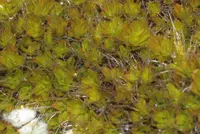
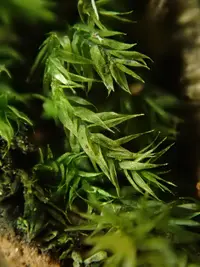
Its leaves have tiny surface bumps, called papillae, that give a rough texture and help identify it under a hand lens. These papillae can help trap water films and fine dust particles on the leaf surface.

Botan icon

Did you know?

Unlike many mosses that frequently produce visible spore capsules, Syntrichia papillosa is often entirely sterile in the field and usually spreads almost exclusively through its abundant leaf-surface buds, which is why it can form extensive colonies even where sporophytes are rarely or never seen.

FAQs about papillose tortula moss

Growth is generally slow. Small patches may take several months to noticeably thicken and 1–2 years to form a dense cushion. Moisture availability, light level, and stable surfaces influence how quickly it can spread and fill in.

Grow Healthy Plants with Botan Care

Keep your plants happy and healthy with plant identification, disease detection, and easy care guidance.

Botan plant care app — identify plants on mobile

Explore More Plants