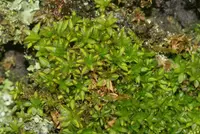
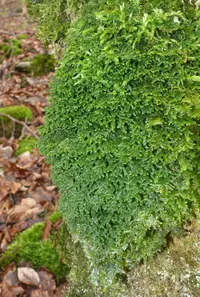
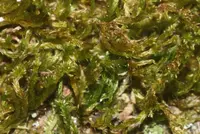
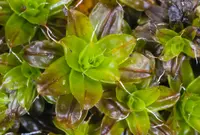
small hairy screw-moss Care (Syntrichia laevipila)

Also known as: tortula moss, Twisted Oak Moss
small hairy screw-moss

About small hairy screw-moss

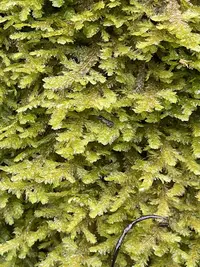
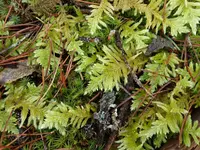
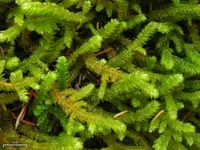
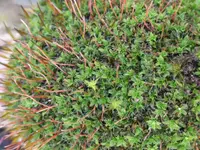
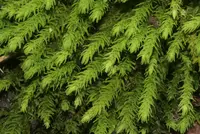
Small hairy screw-moss, Syntrichia laevipila, is a compact, cushion-forming moss found on tree bark, rocks, and old walls. It forms dense, green to olive tufts with tiny spiraled leaves that look dry and crisp when water is scarce, then quickly turn softer and brighter after rain.

This species is common in temperate regions and often appears in urban areas, making it familiar yet easily overlooked. It is naturally tough and drought-tolerant, which helps explain how to care for small hairy screw-moss in cultivation.

It generally prefers bright but indirect light, regular access to moisture without constant saturation, and a stable, well-aerated surface such as rough bark, stone, or gritty substrate.

Main Plant Requirements

Care Difficulty

Moderate Care

Light Preference

Partial Shade

Water Requirements

Moderate Water

Temperature Preference

Cold Hardy

Hardiness Zone

5–10

Soil Texture

Rocky, Loamy, Organic-rich

Soil pH

Acidic (5.5–6.5), Slightly acidic (6.5–7.0)

Soil Drainage

Moist but well-drained

Fertilization

Minimal (feed rarely)

Get Personalized Care Plan

Scan your plant to receive care tips personalized for your specific plant

Available on iOS and Android

How to Care for the small hairy screw-moss

This moss prefers bright, cool conditions with protection from intense midday sun.

  • Provide 2–4 hours of soft morning sun or bright dappled light; east or north-facing exposures suit small hairy screw-moss well.
  • Allow light partial shade for the rest of the day; it tolerates heavier shade but will grow more slowly and form looser cushions.
  • Avoid strong afternoon sun, which can bleach tips and overdry cushions, especially in summer; in winter, ensure sites are not deeply shaded for the whole day.

This species is drought-tolerant but responds best to steady, moderate moisture.

  • Outdoors, let surfaces dry lightly between rains or manual watering; mist or gently soak only when cushions look dull, shrunken, or crisp to the touch.
  • Ensure very free drainage over rock, bark, or gritty soil so water runs off quickly; avoid stagnant moisture, which encourages rot and algae growth.
  • In hot, dry periods, water or mist 2–3 times per week as fronds shrink; reduce watering in cool, wet seasons and stop if patches feel constantly soft and soggy.

This moss is naturally adapted to cool to mild temperate climates.

  • Optimal growth occurs around 50–70°F (10–21°C), with steady moisture and gentle air movement.
  • Syntrichia laevipila tolerates winter cold to about 10–15°F (-12 to -9°C) when established, especially on sheltered rocks or tree bark.
  • It survives brief heat up to 90°F (32°C) if shaded and kept from extreme drying winds; in prolonged heat, increase humidity and shade to prevent complete desiccation.

This moss prefers moderately moist air but copes with a wide humidity range if the substrate stays evenly damp.

  • Aim for 50–70% humidity, using a shallow tray or terrarium-style cover to slow evaporation around small hairy screw-moss.
  • Tolerates brief dry indoor air if the substrate does not fully dry; prolonged crisping and faded green cushions indicate humidity stress.
  • Increase local humidity by clustering containers, misting lightly in the morning, or placing the pot above (not in) a water-filled pebble tray.

Syntrichia laevipila anchors best in thin, sharply draining, mineral-based substrates rather than deep, rich potting soils.

  • Use a gritty mix such as 50–70% sand or fine grit with the rest sifted compost or leaf mold for light organic content.
  • Ensure very fast drainage; a shallow layer over rock, clay shards, or compacted sand mimics its natural crevice and bark habitats.
  • Keep pH slightly acidic to neutral (pH 5.5–7.0), avoiding strongly alkaline substrates that can limit nutrient uptake.
  • Avoid dense peat-heavy mixes and water-retentive clays, which hold stagnant moisture and reduce aeration around the rhizoids.

This species can be grown in shallow containers when moisture and stability are controlled carefully.

  • Choose a wide, shallow container to spread the thin substrate layer, which dries evenly and reduces waterlogged pockets.
  • Select a heavier pot material like ceramic to resist tipping as the moss forms uneven, cushion-like patches.
  • Angle the substrate surface slightly toward one side so excess water drains away, preventing saturated zones after misting or rainfall.

Syntrichia laevipila generally thrives without added nutrients, especially on outdoor substrates like bark, rock, or soil.

Pruning needs for Syntrichia laevipila are minimal and mainly cosmetic.

This moss is usually grown on hard surfaces or shallow substrates, so transplanting is done only when coverage or placement needs adjustment.

  • Shift patches when growth thins, substrate erodes, or you want to extend coverage to new areas.
  • Best timing is in cool, moist weather in spring or fall to limit desiccation stress.
  • Lift small mats with a thin spatula, keeping the base and any attached substrate as intact as possible.
  • Press patches firmly onto the new surface and keep evenly moist until they reattach and resume growth.

Syntrichia laevipila is commonly propagated by division and small mat fragments rather than from spores in home settings.

  • Best time is during cool, moist periods in spring or fall for reliable establishment.
  • Gently tear or cut small clumps, each with healthy green shoots and some brown basal tissue.
  • Press fragments onto a rough, moist surface such as bark, rock, or gritty soil so they make close contact.
  • Maintain high humidity and frequent light misting, avoiding waterlogging, until new shoot tips extend from the patches.

This moss is naturally cold hardy and typically needs no special winter care outdoors in most temperate climates.

Care Tips

Substrate anchoring

Press the moss gently but firmly onto a rough, stable surface such as unglazed stone, bark, or mortar so the rhizoids can grip and form a dense, long-lasting mat instead of sliding off when wet.

Controlled drying cycles

Allow the colony to fully dry between soakings at least occasionally, as short dry periods help maintain natural dormancy rhythms and improve long-term resilience compared with constant moisture.

Low-nutrient surroundings

If placing near other plants, avoid fertilizer runoff and rich potting mixes nearby, since excess nutrients encourage faster-growing algae or liverworts that can overgrow the moss.

Gentle debris grooming

Periodically lift off fallen leaves, twigs, and heavy dust with soft tweezers or a gentle puff of air, which prevents shading and rotting pockets within the moss cushion.

Seasonal light adjustment

In bright climates, shift containers slightly more shaded in summer and a bit more exposed in winter, mimicking natural seasonal light and improving success when growing small hairy screw-moss on patios, steps, or walls.

Common Pests and Diseases

Desiccation damage

Symptoms include bleached, straw-colored cushions and brittle shoots that do not rehydrate well after watering. This problem appears when moss is exposed to prolonged intense sun, hot drying winds, or artificial heat sources.

Solution

Reduce exposure to direct midday sun and hot, dry airflow, and provide regular light misting during dry periods so the moss can rehydrate slowly. In containers, move clumps to a cooler, shaded site and trim away completely dead tissue to encourage new growth from protected inner shoots; this is a key part of Syntrichia laevipila care in urban settings.

Algal overgrowth

This disease shows as a slimy green film covering the moss surface, often in persistently wet, low-light sites. This layer can block light and smother the small shoots, leading to thinning cushions and weak new growth.

Solution

Improve drainage and airflow, reduce constant surface wetness, and provide brighter but indirect light so the substrate surface dries slightly between waterings. Rinse the moss gently with clean water to remove algal films and, if in a container, reduce nutrient input and organic debris that feed algae.

Fungal mold

This disease presents as fine white, gray, or sometimes dark fuzzy growth between the moss shoots, especially after long periods of stagnating moisture. Affected patches may turn brown and collapse, particularly in dense indoor or terrarium setups.

Solution

Increase ventilation, avoid sealed overly humid enclosures, and allow the moss surface to dry lightly between mistings. Remove heavily affected clumps and, if needed, apply a diluted sulfur- or copper-based fungicide to the surrounding substrate only, avoiding direct heavy contact with the moss cushions.

Mite feeding

This pest leaves fine stippling, dull patches, and sometimes a dusty appearance on cushions, with reduced vigor in very dry, sheltered microhabitats. These arthropods are tiny and often only noticeable through damage and fine webbing or movement under magnification.

Solution

Increase ambient humidity slightly and gently rinse the moss under a soft stream of water to dislodge mites. In persistent cases, use a mild insecticidal soap or horticultural oil spray directed at surrounding hard surfaces and substrate, avoiding saturation of the moss itself and repeating treatments weekly until activity declines.

Springtail overpopulation

These insects are small, jumping arthropods that thrive in constantly wet moss substrates rich in decaying organic matter. While usually harmless, high populations can indicate poor conditions and may disturb very fine new shoots and root-like rhizoids by constant movement and grazing on biofilms.

Solution

Improve water management by avoiding standing water and by allowing short drying intervals at the surface, and remove decaying leaves or excess organic debris around the moss. If necessary, flush the area with clean water to reduce numbers and use yellow sticky traps nearby to monitor and gradually lower populations without heavily disrupting the moss community.

Interesting Facts

Twisted leaf rosettes

This moss forms tight, twisted rosettes of narrow leaves around its stems, a growth form that helps it trap moisture and protect its photosynthetic tissues during drying.

Urban habitat specialist

It frequently colonizes tree bark, old walls, and roofs in towns and cities, showing a strong tolerance for disturbance and moderate air pollution compared with many other mosses.

Drying and rehydration cycles

The species can survive repeated cycles of complete drying and rapid rehydration, a common trait in acrocarpous mosses that allows it to exploit brief wet periods on exposed surfaces.

Botan icon

Did you know?

In suitable regions this species is so widespread and characteristic on old trees and stonework that bryologists often use its presence and condition as a quick field indicator of local microclimate and air quality trends over time.

FAQs about small hairy screw-moss

Growth is slow to moderate. New cushions expand mainly by short stems and spreading spores. In stable, moist conditions it may spread a few millimeters per year, forming noticeable patches over several seasons rather than weeks.

Grow Healthy Plants with Botan Care

Keep your plants happy and healthy with plant identification, disease detection, and easy care guidance.

Botan plant care app — identify plants on mobile

Explore More Plants