rose rhodobryum moss Care (Rhodobryum roseum)

Also known as: Rose Moss
rose rhodobryum moss

About rose rhodobryum moss

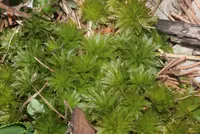
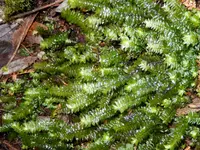
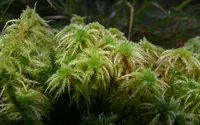
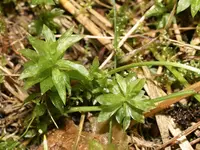
Rose rhodobryum moss (Rhodobryum roseum) is a small, rosette-forming moss that creates low, cushion-like mats resembling tiny green flowers. Each rosette is formed by overlapping leaves that give the plant its distinctive, neatly layered look.

It naturally occurs in temperate regions of Europe and Asia, often on moist soil, shaded rock, or decaying wood. The species prefers cool, humid conditions and stable moisture, which can make indoor culture moderately challenging without good humidity control.

For those learning how to care for rose rhodobryum moss, consistent moisture, gentle airflow, and soft, indirect light are key starting points. It is often grown in terrariums, moss gardens, or detailed landscape models where its compact rosettes can be appreciated up close.

Main Plant Requirements

Care Difficulty

Moderate Care

Light Preference

Partial Shade

Water Requirements

Keep Soil Moist

Temperature Preference

Cool Climate

Hardiness Zone

3–8

Soil Texture

Loamy, Peaty, Organic-rich

Soil pH

Strongly acidic (4.5–5.5), Acidic (5.5–6.5)

Soil Drainage

Moist but well-drained

Fertilization

Minimal (feed rarely)

Get Personalized Care Plan

Scan your plant to receive care tips personalized for your specific plant

Available on iOS and Android

How to Care for the rose rhodobryum moss

This moss favors cool, shaded habitats with soft, indirect light rather than direct sun exposure.

  • Provide 2–4 hours of dappled or filtered light daily, such as under shrubs or trees where sunlight is broken by foliage.
  • Allow only gentle early morning sun; avoid harsh midday and afternoon sun, which can scorch cushions and cause browning and desiccation in rose rhodobryum moss.
  • In summer, increase shade or use leaf litter to diffuse light, while in low-light seasons ensure sites remain bright open shade, not deep darkness.

Rhodobryum roseum prefers consistently moist conditions but reacts poorly to waterlogged substrates.

  • Aim for evenly damp soil or substrate, allowing only the top 0.5–1 cm to feel slightly less moist before rewetting with a fine mist or gentle flow.
  • Adjust frequency seasonally: in cool, humid weather, monitor and water less often; in warm, drying winds, check moisture daily, especially on exposed rocks or logs.
  • Watch for pale, crisp tips as a sign of underwatering and soft, slimy or darkening patches, sometimes with algae growth, as early overwatering indicators.

This moss thrives in cool to mild climates and is sensitive to both hard frost and intense heat.

  • Optimal growth occurs around 50–68°F (10–20°C), typical of shaded woodland or north-facing sites with stable, moist conditions.
  • It tolerates brief dips to about 23–28°F (-5 to -2°C) if protected by snow, leaf litter, or other insulating cover, but repeated bare frosts damage shoots.
  • Prolonged exposure above 77–86°F (25–30°C), especially with direct sun and low humidity, can cause rapid drying, so prioritize shade and moisture retention in hot seasons.

This moss requires consistently high humidity to maintain dense, healthy rosettes.

  • Aim for 70–90% humidity, as air that is dry for long periods causes browning and thinning cushions.
  • Tolerates brief dips to 50–60% if the substrate stays evenly moist, but prolonged dry air leads to crisp, brittle leaves.
  • Increase humidity with enclosed terrariums, covered trays with wet sphagnum, or frequent fine misting around rose rhodobryum moss, not just above it.

This species prefers a moist, humus-rich, well‑aerated substrate that mimics damp forest floors.

  • Use a fine-textured mix of 60–70% milled sphagnum or peat, 20–30% leaf mold or compost, and 10–20% fine sand for structure.
  • Ensure slow but steady drainage; the surface should stay moist without standing water or foul smell from anaerobic conditions.
  • Keep pH slightly acidic, around 5.0–6.0, avoiding lime-rich or strongly alkaline materials that inhibit Rhodobryum roseum growth.
  • Improve aeration by mixing in fine horticultural grit rather than coarse bark, which can dry too fast and create uneven moisture pockets.

This moss is suitable for shallow containers, trays, and terrariums where stable moisture can be maintained.

  • Choose a broad, shallow container that allows a thin, even substrate layer, which helps the colony spread and prevents soggy depths.
  • Use rigid plastic or glazed ceramic containers to slow evaporation, then adjust watering so the substrate remains evenly moist, not wet.
  • Elevate the container slightly so any drainage water can escape freely, preventing capillary backflow that would keep the base waterlogged.

This moss needs very little feeding, especially when grown on nutrient-poor substrates like rock or compact soil.

  • If growth looks pale or weak, use a very dilute balanced liquid fertilizer (around 1/8–1/4 strength, such as 10-10-10 NPK).
  • Apply only during active growth in spring–early summer, no more than every 6–8 weeks.
  • Avoid slow-release granules on rose rhodobryum moss cushions, which can burn delicate tissues; use liquids or very fine compost extracts instead.
  • Do not feed in late fall or winter, as metabolic activity slows and excess nutrients can encourage algae or mold.

Rhodobryum roseum needs only light grooming rather than true pruning.

  • Best time to tidy is during active growth in spring or early summer, when recovery is fastest.
  • Trim away browned, dead, or damaged patches with fine scissors to reduce rot and improve air flow.
  • Remove loose, overcrowded tufts to maintain an even, compact mat and expose healthy new growth.
  • Use clean, sharp scissors or bonsai snips and avoid pulling, which can tear rhizoids and destabilize the colony.

Transplanting is more relevant than repotting, since this moss is often grown on stones, soil mats, or wood rather than in deep containers.

  • Move clumps only when growth slows, the substrate breaks down, or cushions detach easily from their base.
  • Transplant in cool, moist weather in spring or early fall to limit moisture loss and heat stress.
  • Expect to shift or refresh mounts every 2–3 years if substrate compacts or becomes heavily colonized by other mosses or algae.
  • Lift mats gently with a thin spatula, transfer to a fresh, moist, shaded surface, and keep evenly humid for 2–3 weeks to help rhizoids reattach.

This moss is commonly propagated by division of existing cushions rather than by spores in home settings.

  • Best period is spring or early fall, when temperatures are mild and humidity is high.
  • Gently tear or cut healthy cushions into small plugs, each with green tops and some brown basal tissue for anchoring.
  • Press pieces onto a moist, acidic, fine-textured substrate and mist to ensure close contact without burying the foliage.
  • Maintain high humidity, bright shade, and good air movement until new growth visibly knits the patches together.

This moss is generally cold hardy in temperate climates and needs little specific winter care outdoors.

  • In regions with severe freeze–thaw cycles, a light, breathable mulch around the substrate can reduce heaving and desiccation.
  • Container-grown mats can be moved to a cold, bright, frost-free area such as an unheated garage or cold frame.
  • Avoid waterlogged conditions under snow or ice crusts, which increase the risk of rot and smothering.

Care Tips

Capillary mat hydration

Place the moss container on a clean capillary mat or felt pad that is kept evenly moist so the colonies can draw water slowly from below, which reduces desiccation stress and avoids surface disturbance from frequent overhead misting.

Terrarium airflow control

If grown in a closed or semi-closed terrarium, open the lid slightly once a day for 10–20 minutes to release excess condensation and reduce fungal issues while still maintaining the high humidity this species prefers.

Shaded stone anchoring

Press small, flat, pre-soaked stones or lava rock pieces firmly into the moss layer to provide a stable, cool micro-surface where new rosettes can anchor and spread more evenly across the substrate.

Seasonal moisture checks

In heated indoor rooms during winter, check cushion edges for crisping or light browning and briefly increase fine misting around, not directly on, the rosettes to counteract dry air without waterlogging the base.

Gentle debris grooming

Use soft tweezers or a small artist brush to remove fallen leaves, algae, or dead fragments from the cushions every few weeks, which improves air movement between rosettes and lowers the risk of mold when caring for rose rhodobryum moss.

Common Pests and Diseases

Springtail grazing

This pest commonly colonizes constantly moist moss cushions and grazes on delicate shoot tips, sometimes thinning the rosettes and slowing growth. Symptoms include tiny jumping insects on the substrate surface and uneven, nibbled leaf margins.

Solution

Reduce standing water, keep the substrate just moist instead of waterlogged, and improve ventilation in closed terrariums or culture boxes. Rinse the moss gently under soft, cool water to dislodge insects, then use a targeted, moss-safe insecticidal soap or neem-based spray on the surrounding substrate rather than directly saturating the moss carpets.

Fungus gnat larvae

This pest develops in organic, constantly damp moss substrates and the larvae can feed on the basal parts of moss shoots, causing patchy dieback and loosening of the cushion. Symptoms include small black gnats flying when disturbed and fine, whitish larvae in the top 1–2 cm of substrate.

Solution

Allow the upper substrate layer to dry slightly between mistings while keeping the moss surface just humid, and increase airflow around containers. Use yellow sticky traps for adults and apply a biological control such as Bacillus thuringiensis israelensis (Bti) or beneficial nematodes to the substrate to reduce larvae without harming the moss.

Algal overgrowth

This disease-like condition appears when surfaces stay saturated and brightly lit, allowing green algal films to coat the moss and block light from the leaves. Symptoms include slimy, bright green patches that feel slick compared with the normal matte, velvety moss texture.

Solution

Lower light intensity slightly or shorten exposure to direct artificial light, and improve drainage so water does not pool on the moss surface. Gently rinse or brush away algal films under running water and thin overly dense cushions so air can circulate, which supports healthier Rhodobryum roseum plant care in closed or semi-closed setups.

Gray mold (Botrytis)

This disease develops in stagnant, humid air and on damaged or shaded parts of the moss cushion, leading to soft, discolored patches that may carry a fine gray fungal growth. Symptoms include rapid collapse of small areas and a dusty, gray fuzz when humidity is very high and air movement is low.

Solution

Remove and discard all affected moss tufts, including a small margin of healthy tissue, and avoid splashing water from infected to healthy areas. Increase air circulation, reduce overcrowding in culture trays, and allow the surface to dry slightly between mistings; in severe or persistent cases, use a low-dose fungicide labeled safe for mosses, tested first on a small section.

Desiccation scorch

This physiological disorder occurs when moss cushions dry too quickly in strong light or high heat, causing brown, crisped rosettes and poor regrowth. Symptoms include a sharp transition from healthy green centers to straw-brown outer zones, especially at exposed edges or high spots in the cushion.

Solution

Move the moss away from direct sun or strong artificial light and maintain more stable humidity around 50–80% with gentle, regular misting rather than heavy, infrequent watering. Rehydrate slowly by misting with soft, cool water, then trim completely dead, brittle sections to encourage new growth from surviving green tissue in cooler, shaded conditions.

Interesting Facts

Distinctive rosette cushions

This moss forms tight, rose-like leaf rosettes at the shoot tips, creating cushiony patches that are easy to recognize in the field compared with more thread-like moss species.

Preference for basic rocks

It most often colonizes calcareous substrates such as limestone or other base-rich rocks and soils, so its presence can indicate locally higher pH conditions in an otherwise acidic landscape.

Reproduction often asexual

Although capable of producing sporophytes, this species is frequently found reproducing mainly through vegetative spread of its leafy shoots, which helps maintain genetically similar clonal patches over time.

Botan icon

Did you know?

This species has been used as a model organism in bryophyte ecophysiology studies to investigate how mosses tolerate desiccation and rapidly resume photosynthesis after rehydration, helping scientists understand early land plant survival strategies.

FAQs about rose rhodobryum moss

This species forms low, dense rosettes that slowly expand outward by short creeping stems. It can create a continuous mat over time but is not considered aggressive or invasive and is usually easy to contain.

Grow Healthy Plants with Botan Care

Keep your plants happy and healthy with plant identification, disease detection, and easy care guidance.

Botan plant care app — identify plants on mobile

Explore More Plants