Use Shaded Rock
Press small clumps onto shaded, porous rocks or old logs with rough bark, as these surfaces retain film moisture and allow rhizoids to anchor more securely than smooth plastic or stone.

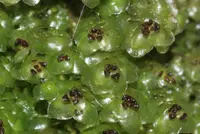
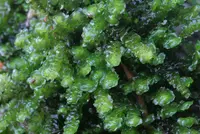
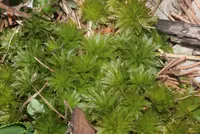
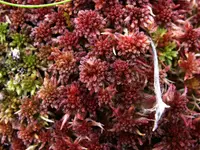
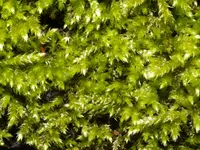
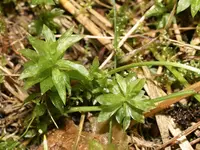
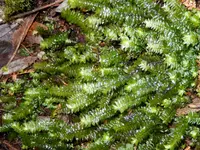
Grove earwort (Scapania nemorea) is a leafy liverwort, a simple non-vascular plant that forms low, overlapping mats on damp surfaces. It has small, flattened shoots with paired, ear-like leaves that hug the substrate. This species is typically found in cool, shaded forests, on rocks, rotting wood, or moist soil, especially in temperate regions with clean, humid air. Its need for constant moisture and shelter from strong sun makes it more suitable for terrariums or very humid outdoor spots than for dry homes. Those who want to learn how to care for Grove Earwort should focus on stable moisture, gentle airflow, and a neutral to slightly acidic, low-nutrient substrate.

Care Difficulty
Hard Care

Light Preference
Shade

Water Requirements
Keep Soil Moist

Temperature Preference
Cold Hardy

Hardiness Zone
3–8

Soil Texture
Silty, Peaty, Organic-rich

Soil pH
Strongly acidic (4.5–5.5), Acidic (5.5–6.5)

Soil Drainage
Waterlogged tolerant

Fertilization
Minimal (feed rarely)
Scan your plant to receive care tips personalized for your specific plant
Available on iOS and Android
This small liverwort prefers cool, shaded habitats with soft, indirect light.
This species thrives in consistently moist, never stagnant, conditions.
This liverwort prefers cool, moist climates and is sensitive to extreme heat and hard freezing.
This small liverwort needs consistently high humidity to stay healthy in cultivation.
This species prefers a constantly moist, loose, organic substrate rather than standard potting mixes.
This liverwort can be grown in containers, especially shallow trays or terraria that maintain stable moisture.
Scapania nemorea grows on nutrient-poor substrates and usually needs no additional fertilizer under normal conditions.
Scapania nemorea requires minimal pruning, mainly for hygiene and to keep growth even in cultivation.
This liverwort is rarely potted; management usually focuses on careful transplanting of small mats rather than classic repotting.
Scapania nemorea is usually propagated vegetatively through small mat divisions rather than spores in home or educational setups.
In temperate climates this species is quite cold hardy and normally needs little active winter care outdoors.

Plant Health Check
Not sure what's wrong with your plant? Check your plant's health inside the app.
This liverwort is typically found on constantly damp, shaded acidic rocks and banks along streams and waterfalls, where running water keeps its tissues hydrated and oxygenated.
Its leaves are deeply divided into two lobes of unequal size, with the lower lobe often inflated and forming small pockets that help trap moisture and reduce desiccation on exposed rock surfaces.
Populations are usually abundant only in areas with low air pollution, so their presence on streamside rocks and boulders is often used by bryologists as an indicator of relatively unpolluted, humid microclimates.
This liverwort spreads steadily by creeping stems and branching mats, but is not usually aggressive in managed conditions. In a consistently damp, shaded spot it can form dense carpets, so periodic thinning may be needed near small seedlings or mosses.
Keep your plants happy and healthy with plant identification, disease detection, and easy care guidance.