Leucolepis umbrella moss Care (Leucolepis acanthoneura)

Also known as: Menzies' Tree Moss, Palm Tree Moss
Leucolepis umbrella moss

About Leucolepis umbrella moss

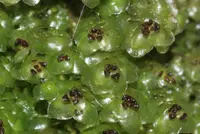
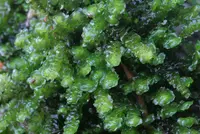
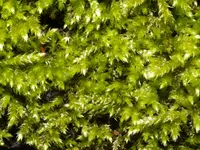
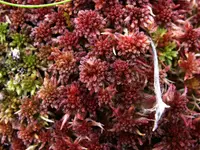
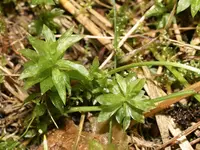
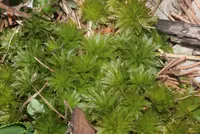
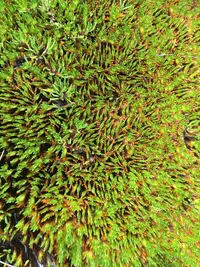
Leucolepis umbrella moss (Leucolepis acanthoneura) is a creeping moss forming low, dense, bright green mats with a fine, feathery texture. Its arching fronds create a soft, umbrella-like effect over the soil surface.

This species occurs naturally in moist, shaded forest habitats of North America, often on stream banks, rotting wood, or damp soil. It prefers consistently cool, humid conditions and does not tolerate drying out.

Leucolepis acanthoneura is moderately easy to keep if its constant moisture and shade needs are met, but it declines quickly in dry air or strong light. Understanding how to care for Leucolepis umbrella moss is important before growing it indoors or in terrariums.

Main Plant Requirements

Care Difficulty

Moderate Care

Light Preference

Partial Shade

Water Requirements

Keep Soil Moist

Temperature Preference

Cool Climate

Hardiness Zone

6–9

Soil Texture

Loamy, Peaty, Organic-rich

Soil pH

Strongly acidic (4.5–5.5), Acidic (5.5–6.5)

Soil Drainage

Moist but well-drained

Fertilization

Minimal (feed rarely)

Get Personalized Care Plan

Scan your plant to receive care tips personalized for your specific plant

Available on iOS and Android

How to Care for the Leucolepis umbrella moss

Leucolepis acanthoneura prefers soft, woodland-style light that mimics its natural forest habitat.

  • Provide bright, filtered light or open shade with 1–3 hours of gentle morning sun and no harsh midday or afternoon sun to prevent leaf scorch.
  • Tolerates deep shade but fronds become sparse and elongated; aim for dappled light under shrubs or trees, similar to conditions for Leucolepis umbrella moss.
  • In summer, protect from intense sun with shade cloth or overhead planting; in winter, thinner canopy naturally increases light without direct exposure.

This moss-like plant thrives in consistently moist conditions but is sensitive to waterlogging.

  • Keep the root zone evenly moist, allowing only the top 1–2 cm of soil to feel just barely less wet before watering again in cool, humid climates.
  • Increase watering during warm, dry periods when surface moss or fronds start to dull or curl slightly, but avoid standing water or soupy soil.
  • Use loose, humus-rich soil with excellent drainage; yellowing, mushy fronds indicate overwatering, while crisp, brittle fronds signal underwatering or prolonged dryness.

This species favors cool to mild temperatures and declines in extremes of heat or cold.

  • Aim for 50–70°F (10–21°C) for steady growth; it performs best in cool, humid locations sheltered from drying winds.
  • Tolerates short dips to about 25°F (-4°C) if well mulched, but repeated freezes below this or exposed frost can damage fronds and growing tips.
  • In hot weather above 80°F (27°C), provide extra shade, high humidity, and cool, moist soil to reduce stress and prevent desiccation of delicate fronds.

This moss needs high, stable humidity to stay dense and green.

  • Aim for 70–90% humidity; terrariums or covered trays usually provide the most reliable range.
  • In drier air below about 60%, fronds curl, brown at the tips, and growth slows noticeably.
  • Increase humidity with a closed glass container, regular misting of surroundings, and shallow water trays with pebbles under but not touching the Leucolepis umbrella moss.

Provide a consistently moist, soft, and highly organic substrate that never dries out completely.

  • Use a fine-textured mix of sphagnum moss, leaf mold, and a small amount of sand for structure and moisture retention.
  • Ensure the substrate drains slowly but does not stay waterlogged by using a shallow layer of coarse gravel or sand beneath the moss layer.
  • Keep pH slightly acidic, around 5.0–6.0, which supports healthy rhizoids and steady carpet-like spread in Leucolepis acanthoneura.
  • Avoid dense garden soil, peat-only plugs, or any mix that compacts and excludes air around the delicate moss stems.

This species can be grown successfully in shallow containers and terrariums when moisture is carefully controlled.

  • Choose a wide, shallow container to accommodate creeping growth while keeping the entire moss mat evenly moist.
  • If using drainage holes, add a fine mesh over them plus a gravel layer so the delicate substrate does not wash out.
  • Select glazed ceramic or glass containers to slow evaporation and keep surface moisture more stable than porous clay.

Leucolepis acanthoneura is a low-nutrient moss that benefits from only very light feeding in controlled culture, especially for Leucolepis umbrella moss indoor care.

  • Use a very dilute balanced liquid fertilizer (around 1/8–1/4 strength, low NPK such as 3-1-2), formulated for acid-loving plants if possible.
  • Apply during active growth in spring–summer only, about every 4–6 weeks, and skip feeding if growth already looks dense and healthy.
  • Avoid granular or slow-release fertilizers that can burn delicate rhizoids; use water-soluble products and apply onto moist substrate, not dry moss.
  • Stop feeding in autumn–winter when growth slows, continuing only plain, soft or filtered water to prevent salt buildup.

Leucolepis acanthoneura needs minimal pruning, mainly to keep the moss carpet tidy and healthy.

  • Trim only browned, dead, or decaying patches with fine scissors to prevent mold and encourage new shoots from the healthy areas.
  • Lightly shear overly tall or uneven tufts in spring or early summer to maintain a low, umbrella-like cushion form.
  • Remove crowded or compacted clumps and thin gently to improve air movement and reduce excess moisture retention on the surface.
  • Sterilize scissors or blades before use and avoid cutting too deeply into the fresh green growing tips.

This moss is usually grown as a ground cover or in shallow dishes, and transplanting focuses on renewing the substrate rather than moving deep roots.

  • Look for slow spread, thinning patches, or compacted, sour-smelling substrate as signs the colony needs lifting and resetting.
  • Transplant in cool, moist conditions in spring or early autumn, when stress from heat or intense sun is lowest.
  • Plan on refreshing or relocating moss patches every 2–3 years in containers to maintain aeration and low nutrient levels.
  • Lift mats gently, keep the underside moist, and press onto fresh, acidic, well-drained medium, then shade lightly and mist frequently until reanchored.

Leucolepis acanthoneura is commonly propagated by division, since spores are slower and less predictable for home growers.

  • Divide healthy mats in spring or cool early autumn, separating them into small sections that each include green tips and attached substrate.
  • Lay divisions firmly onto fresh, acidic, well-drained medium and press gently so rhizoids contact the surface without being buried.
  • Maintain constant, even moisture with fine misting, high humidity (60–80%), and low to medium light to support new attachment and spread.
  • Avoid strong airflow and direct sun during establishment; once growth resumes, ventilation can be increased gradually to prevent fungal issues.

Leucolepis acanthoneura is moderately cold tolerant in the ground but appreciates stable, cool-moist conditions in winter, especially in containers.

  • In temperate climates, a natural mulch of leaf litter helps insulate the shallow rhizoids and stabilize soil moisture.
  • Avoid waterlogged or frozen containers; keep pots in a sheltered, frost-free but cool place if prolonged hard freezes are expected.
  • Provide bright, indirect light indoors for potted moss in winter and maintain lightly moist, not saturated, substrate to prevent rot.

Care Tips

Shallow Mounting Technique

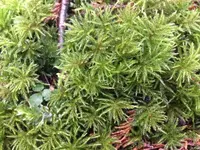
Attach the moss in a very thin layer on rock, wood, or mesh using cotton thread or fishing line so the rhizoids make quick contact with a consistently moist surface without smothering the shoots.

Capillary Mat Setup

Place pots or culture trays on a capillary mat kept evenly damp with low-mineral water to stabilize moisture at the base while keeping the foliage from sitting in free water.

Controlled Air Movement

Use a small, low-speed fan outside a terrarium or case to keep air gently moving across the moss, which helps limit fungal growth while still maintaining high local humidity.

Fragment Propagation Method

Cut small, healthy fronds into 0.5–1 in pieces and press them gently onto fresh moist substrate under a clear humidity dome to create dense new patches instead of relying only on natural spread when growing Leucolepis umbrella moss.

Seasonal Light Reduction

Reduce artificial light intensity or daily runtime slightly in late autumn–winter to mimic shorter days, which helps prevent stress and bleaching in long-term indoor culture.

Common Pests and Diseases

Fungus gnat larvae

This pest is attracted to constantly wet moss substrates and feeds on fine rhizoids and young growth. Symptoms include thinning patches, stalled growth, and tiny black adult gnats flying above the surface.

Solution

Allow the top layer of the moss substrate to drain well between waterings, use a fine-mesh cover or sand cap over very wet areas, and improve air circulation around trays. For persistent populations, use biological controls such as Bacillus thuringiensis israelensis (Bti) drenches or predatory nematodes, and remove algae or decaying debris that supports larvae.

Algal overgrowth

This condition develops on very wet, nutrient-rich surfaces under strong light, forming green, slimy films that smother the moss. Symptoms include dull, buried shoots and loss of the umbrella-like texture.

Solution

Reduce fertilizer strength, slightly lower light intensity, and increase air movement to keep surfaces just moist, not waterlogged. Gently rinse or brush away algal mats, improve drainage in trays or terrariums, and avoid standing water to support healthy growing Leucolepis acanthoneura mats.

Grey mold (Botrytis)

This disease appears in humid, stagnant air as soft, water-soaked patches that develop grey, fuzzy spores on older or damaged fronds. Symptoms include collapsing cushions and a musty odor in enclosed setups.

Solution

Promptly remove and discard affected clumps, then increase ventilation and reduce overall humidity slightly in terrariums or propagation trays. Avoid overhead misting late in the day, keep foliage from touching wet glass or plastic, and space mats so surfaces dry quickly after watering.

Desiccation scorch

This abiotic problem occurs when moss grown in trays or on wood dries too quickly, especially under direct sun or strong indoor lighting. Symptoms include brown, crispy tips and patchy dieback, often on raised or exposed sections.

Solution

Provide bright, indirect light instead of direct sun, increase ambient humidity to 50–70%, and use a moisture-retentive but well-drained substrate. Water more frequently in exposed positions, but avoid flooding; trim dead patches to encourage new side shoots once stable moisture levels are restored.

Interesting Facts

Umbrella-like shoot pattern

This moss forms distinctive arching shoots with radiating branchlets that create an umbrella or fountain shape, which is unusual compared to the more tufted habit of many common mosses.

North American stream specialist

It is native to eastern North America and typically grows on moist soil or rotting wood along cool, shaded streams and seeps, where constant humidity and gentle water movement support its dense mats.

Golden-green color shifts

The foliage often appears golden to yellow-green in brighter, moist conditions and shifts to a deeper green in heavier shade, which makes it useful as a visual indicator of light exposure when growing Leucolepis acanthoneura.

FAQs about Leucolepis umbrella moss

This moss is functionally evergreen, keeping its green fronds through the year in cool, consistently moist conditions. In excessive heat, drought, or bright sun, fronds may brown or partially die back but usually regrow from living stems.

Grow Healthy Plants with Botan Care

Keep your plants happy and healthy with plant identification, disease detection, and easy care guidance.

Botan plant care app — identify plants on mobile

Explore More Plants