Cliff Waxwort Care (Plagiochasma rupestre)

Cliff Waxwort

About Cliff Waxwort

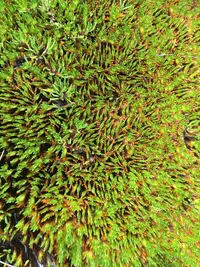
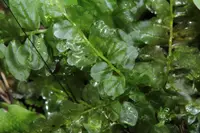
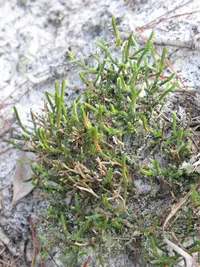
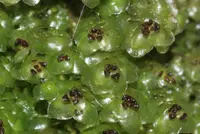
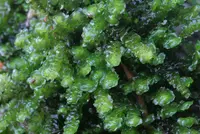
Cliff waxwort, Plagiochasma rupestre, is a liverwort, a simple non-vascular plant that spreads as flat, lobed mats over rocks and soil. It forms firm, often glossy, green to brownish thalli with a distinctly patterned upper surface.

This species is native to rocky, often calcareous habitats in Europe, Asia, and parts of North Africa, where it occupies moist but well-drained crevices. Its compact structure and low nutrient demand make it relatively easy to maintain in culture if humidity and shade are stable.

Those interested in how to care for Cliff Waxwort should focus on cool conditions, filtered light, and consistently moist, neutral to slightly alkaline substrates such as rock or gritty soil.

Main Plant Requirements

Care Difficulty

Moderate Care

Light Preference

Partial Shade

Water Requirements

Keep Soil Moist

Temperature Preference

Cool Climate

Hardiness Zone

5–9

Soil Texture

Loamy, Silty, Organic-rich

Soil pH

Acidic (5.5–6.5), Slightly acidic (6.5–7.0)

Soil Drainage

Moist but well-drained

Fertilization

Minimal (feed rarely)

Get Personalized Care Plan

Scan your plant to receive care tips personalized for your specific plant

Available on iOS and Android

How to Care for the Cliff Waxwort

This liverwort prefers bright conditions but is sensitive to intense, drying sun.

  • Provide 3–5 hours of gentle morning sun with bright, filtered light or open shade for the rest of the day.
  • In hot, dry climates, protect Cliff Waxwort from direct midday and afternoon sun, which can cause bleaching and desiccation of the thallus.
  • In winter, slightly brighter exposure is helpful, but in summer use rocks or nearby plants to cast light shade and reduce surface overheating.

This species needs consistently moist conditions without long dry periods or standing water.

  • Water when the surface starts to look dull and slightly lighter in color, before the substrate fully dries or cracks.
  • Use a gritty, fast-draining mix over rock or shallow soil so water moves through quickly while the surface stays evenly damp.
  • In hotter, windy weather, expect to water more often; overwatered patches turn soft and foul-smelling, while underwatered thalli curl, shrink, and become brittle.

This rock-dwelling liverwort prefers cool to mild temperatures and dislikes extremes.

  • Aim for 50–70°F (10–21°C) for active growth; short spikes to 75–80°F (24–27°C) are tolerated if moisture and shade are adequate.
  • Plants usually survive down to about 25°F (−4°C) if briefly exposed, but repeated hard frosts can damage thalli and reduce vigor.
  • In hot summers above 80°F (27°C), increase shade and surface moisture, and avoid heat-reflecting rock faces that can overheat the plant.

This liverwort prefers consistently moist air and substrate rather than strictly high ambient humidity.

  • Aim for 50–80% humidity, keeping the substrate evenly damp and never allowing it to dry out completely.
  • Tolerates brief dips into drier air if the surface stays moist, but prolonged humidity below 40% causes crisping and thinning of fronds.
  • Watch for pale, curling, or brittle thalli as humidity stress; increase humidity for Cliff Waxwort with shallow trays of damp sand or pebbles nearby.

Plagiochasma rupestre grows best on thin, mineral-based, sharply drained yet constantly moist substrates.

  • Use a gritty mix of 50–70% coarse sand or fine gravel with the rest neutral compost or leaf mold to mimic rocky ledges.
  • Ensure very rapid drainage so water runs through immediately, then re-wet frequently to keep the surface just moist, not waterlogged.
  • Keep pH roughly neutral to slightly alkaline; adding a small amount of crushed limestone or dolomite chips can help where water is acidic.
  • Avoid dense peat-heavy mixes, fine potting soils, and any medium that stays soggy, as these reduce aeration and encourage rot of the thalli.

This species can be grown in shallow containers that mimic moist rock surfaces.

  • Choose a broad, shallow tray rather than a deep pot to spread the thin substrate and keep the photosynthetic surface close to light.
  • Line the bottom with a thin gravel layer so excess water drains away from the rhizoid zone while the upper layer remains evenly damp.
  • Place the container on a stable, level surface to prevent even slight tipping, which can expose delicate thalli to rapid drying on raised edges.

Plagiochasma rupestre is adapted to nutrient-poor substrates and usually needs little or no fertilizer in cultivation.

  • If growth is very pale or weak, use a highly diluted balanced liquid fertilizer (around 1/8–1/4 strength) once in early spring.
  • Apply only during active growth in cool, moist conditions; avoid feeding in midsummer heat or full dormancy.
  • For Cliff Waxwort grown on rocks or shallow trays, a light flush of water after feeding helps prevent salt buildup.

Plagiochasma rupestre needs minimal pruning, mainly to keep the mat clean and healthy.

  • Best timing is late winter to early spring, just before strong new growth starts.
  • Gently pinch or clip away dead, decaying, or moldy thalli to reduce rot and pests.
  • Thin out overly dense patches to improve air movement and maintain an even, low cushion.
  • Use small scissors or tweezers, taking shallow pieces to avoid tearing healthy tissue.

This liverwort is usually grown on shallow substrates or rocks, so focus on gentle transplanting rather than frequent repotting.

  • Transplant when mats detach easily, growth becomes patchy, or the substrate crusts with salts.
  • Best season is cool, moist weather in spring or early fall, avoiding temperature extremes.
  • Typical intervals are 1–3 years, depending on algae buildup, moss competition, or substrate breakdown.
  • Lift small sections with a thin spatula, press onto fresh, moist, low-nutrient medium, and keep shaded and evenly damp to reduce stress.

Plagiochasma rupestre is most often propagated vegetatively, using divisions of the thallus rather than spores.

  • Divide healthy thallus sections with visible growing tips in early spring or during cool, moist periods.
  • Place pieces flat on a moist, sterile, low-nutrient mix or damp rock surface with good air flow.
  • Maintain high humidity (50–70%) and bright, indirect light until new lobes expand.
  • Spore propagation is possible but slower; sow on sterile, constantly moist medium and avoid direct sun.

This species is quite cold tolerant in temperate climates and generally needs little special winter care outdoors.

  • In zones with severe freezes below about 10°F, grow Plagiochasma rupestre in shallow containers for easier management.
  • Move containers to a cold, frost-free location with bright, indirect light during extended hard freezes.
  • Keep the substrate just barely moist in winter, avoiding both waterlogging and complete drying.

Care Tips

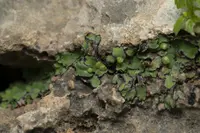
Rock crevice placement

Tuck colonies into shallow rock crevices or between bricks where water can drain freely, which mimics their natural cliff habitat and helps prevent mats from rotting from below.

Thin overcrowded mats

Gently lift and remove small patches every few months where thalli overlap densely, which improves air movement over the surface and reduces fungal spotting.

Surface flushing routine

Once every 2–4 weeks, run low-pressure water over the colony for 10–20 seconds to wash away settled dust, algae, and spores that can smother the photosynthetic surface.

Fragment propagation method

To expand a colony, press small healthy fragments firmly onto a fresh, gritty surface and mist lightly for several days so the undersides can attach before normal watering resumes.

Seasonal dormancy check

During hot, dry periods, allow partially browned sections to remain in place as a protective crust, only trimming away clearly dead, detached pieces once cooler, moister conditions return to support growing Cliff Waxwort.

Common Pests and Diseases

Slugs and snails

This pest is strongly attracted to the moist, shaded rock surfaces where this liverwort grows and feeds on the soft thallus tissue, creating irregular holes and missing patches. Symptoms include shredded margins and rapid thinning of colonies, especially after wet nights.

Solution

Hand-pick slugs and snails in the evening or early morning, use low-toxicity iron phosphate pellets around but not directly on colonies, and reduce thick ground litter that shelters them. On rock gardens or trays, simple barriers such as copper tape or coarse grit around the planting zone help protect the thalli without altering moisture too much.

Liverwort gnats

These insects, similar to fungus gnats, lay eggs in the constantly moist substrate, and the larvae graze on organic matter and delicate thallus tissues. Symptoms include slow thinning of mats, pale or ragged young growth, and small dark flies hovering close to the colony surface.

Solution

Allow the surface layer of the substrate around but not under the thalli to dry slightly between waterings, improve air movement, and use yellow sticky cards to reduce adult populations. In container culture, a biological control such as Bacillus thuringiensis israelensis (Bti) can be applied to the substrate water to target larvae without harming the plant.

Algal overgrowth

This disease-like condition occurs when free-living algae colonize the constantly wet rock or soil surface, forming slimy green films that compete with the liverwort for light and space. Symptoms include slippery surfaces, darker green or bluish films over the thalli, and reduced vigor or patchy dieback under the algal layer.

Solution

Improve drainage and air circulation, and slightly reduce constant surface wetness while still keeping the liverwort evenly moist. Gently rinse or brush excess algal film from rocks or containers with clean water and avoid nutrient-rich runoff, as excess fertilizer encourages algae rather than benefiting the plant.

Grey mold

This disease, caused by Botrytis-like fungi, develops in very stagnant, humid conditions and attacks weakened thalli. Symptoms include soft, water-soaked patches that quickly develop grey, fuzzy mold, often starting on damaged or shaded areas.

Solution

Promptly remove and discard affected thallus sections, then increase air movement and reduce overhead misting that keeps surfaces wet for long periods. Ensure colonies are not overcrowded, and if needed, adjust watering so the surface dries slightly between soakings while the underlying substrate stays cool and moist.

Desiccation damage

This physiological disorder develops when the thin thalli dry out rapidly due to wind, direct sun, or inadequate moisture, rather than from a pathogen or pest. Symptoms include curling, bleaching to pale yellow or whitish, and brittle patches that do not recover after rewetting.

Solution

Provide stable moisture by keeping the substrate consistently damp, shelter colonies from strong wind, and avoid direct midday sun, especially on exposed stone surfaces. In cultivation, grow Plagiochasma rupestre in a shaded, humid microclimate such as a north-facing rock crevice or a cool, ventilated terrarium and rewet gradually rather than with sudden hot water sprays.

Interesting Facts

Adapted to calcareous rocks

This liverwort typically colonizes sun-exposed limestone and other calcareous rocks, tolerating high pH and thin, nutrient-poor soils where many mosses and vascular plants struggle to establish.

Distinctive thallus patterning

Its thallus shows a characteristic pattern of polygonal air chambers visible on the surface, giving it a slightly reticulate look that helps distinguish it from many smoother thalloid liverworts in the field.

Specialized reproductive cups

The species produces small, cup-like structures called gemma cups that hold clonal propagules, allowing it to spread efficiently across rock surfaces by rain splash without relying only on spores.

Botan icon

Did you know?

In many parts of Europe and Asia, this species is considered a reliable bioindicator of open, base-rich rock habitats, so bryologists often use its presence to help map calcareous outcrops and rocky grassland microhabitats.

FAQs about Cliff Waxwort

This liverwort performs best outdoors in cool, shaded, humid spots on rocks or compact soil. Indoors it is difficult to maintain stable humidity and airflow, so Cliff Waxwort indoor care is usually short‑lived and less reliable.

Grow Healthy Plants with Botan Care

Keep your plants happy and healthy with plant identification, disease detection, and easy care guidance.

Botan plant care app — identify plants on mobile

Explore More Plants