Prepare stable substrate
Use rough, non-crumbly surfaces like bark, lava rock, or aged concrete and lightly score smooth rocks with sandpaper so rhizoids can anchor firmly and the mat does not slip or tear when mature.

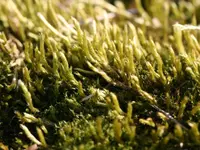
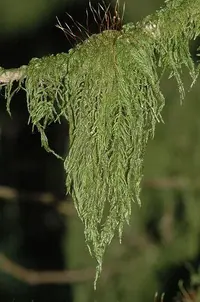
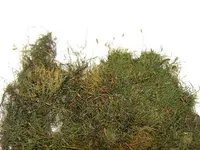
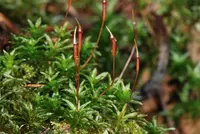
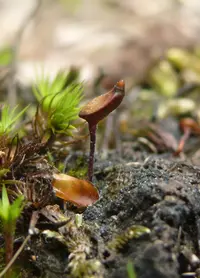
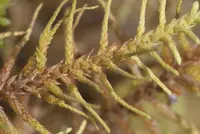
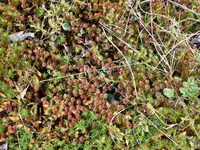
Brachythecium salebrosum is a hardy, fast-spreading moss that forms soft, low carpets of fine stems and small overlapping leaves. It often appears yellow-green to deep green, with a slightly glossy surface when moist.
This species commonly colonizes rocks, soil, tree bases, and urban surfaces across temperate regions in North America and Europe. It tolerates a wide range of conditions, including disturbance, brief drying, and some pollution, which makes it relatively easy to establish.
For those learning how to care for brachythecium moss, its preference for consistent moisture, cool to mild temperatures, and low to medium light is helpful but not strict, adding to its adaptability.

Care Difficulty
Easy Care

Light Preference
Partial Shade

Water Requirements
Keep Soil Moist

Temperature Preference
Cold Hardy

Hardiness Zone
3–9

Soil Texture
Loamy, Silty, Organic-rich

Soil pH
Acidic (5.5–6.5), Slightly acidic (6.5–7.0)

Soil Drainage
Moist but well-drained

Fertilization
Minimal (feed rarely)
Scan your plant to receive care tips personalized for your specific plant
Available on iOS and Android
This moss prefers soft, indirect light that mimics a forest floor or shaded rock surface.
This moss prefers constant surface moisture without prolonged saturation.
This hardy moss tolerates a wide temperature range but grows best in cool to mild conditions.
This moss prefers consistently moist air but adapts to a fairly wide humidity range.
Brachythecium salebrosum grows best in a loose, moisture-retentive yet aerated substrate.
This species suits shallow container culture when moisture and drainage are carefully controlled.
This moss grows well in low-nutrient conditions, so fertilizing Brachythecium salebrosum should be very light and infrequent.
Brachythecium salebrosum needs only light grooming to keep mats neat and healthy.
This moss is usually grown on substrates like stone, wood, or soil, so management focuses on gentle transplanting rather than frequent repotting.
Brachythecium salebrosum is commonly propagated by division of existing mats rather than by spores in home settings.
This moss is generally cold hardy and needs little special winter care in most temperate climates.

Plant Health Check
Not sure what's wrong with your plant? Check your plant's health inside the app.
This moss naturally occupies a wide range of habitats, from tree bases and rotting logs to rocks, soil banks, and even disturbed urban substrates such as old walls and concrete, reflecting a high tolerance for variable moisture and light conditions.
In some parts of Europe and North America, its frequent presence on nutrient-rich bark, soil, or anthropogenic surfaces is used by bryologists as a field clue for sites influenced by dust, road salt, or other mild eutrophication, rather than nutrient-poor forest habitats.
It forms relatively coarse, glossy yellow‑green to green mats with somewhat flattened shoots and strongly differentiated stem and branch leaves, which helps trained observers distinguish it from finer, more delicate Brachythecium species in the field.

This moss has become one of the most widely distributed Brachythecium species across the temperate Northern Hemisphere, occurring from lowland cities to montane forests, which makes it a common reference species in bryology keys and floras for comparing related mosses.
This species adapts to both, but usually performs better outdoors where humidity and airflow stay more stable. Indoors, it needs consistently moist conditions and careful placement to avoid drying heaters or direct ventilation to remain healthy.
Keep your plants happy and healthy with plant identification, disease detection, and easy care guidance.