Snakewort Care (Conocephalum salebrosum)

Also known as: Cat-tongue Liverwort
Snakewort

About Snakewort

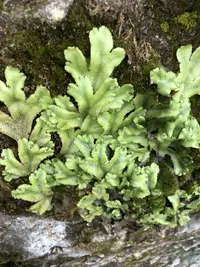
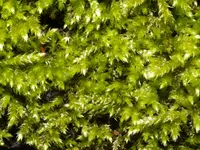
Conocephalum salebrosum, often called snakewort, is a thallose liverwort, a simple non-vascular plant that forms low, flat mats instead of upright stems and leaves. Its glossy, scale-patterned surface and fresh green color give it a distinctive, almost reptile-like look.

This species naturally occurs in cool, humid habitats such as stream banks, springs, and shaded rock outcrops across parts of North America, Europe, and Asia. It prefers constant moisture, shade to low light, and stable, cool conditions, which strongly influences how to care for Snakewort.

In cultivation it suits terrariums, paludariums, and outdoor shaded water features, where humidity stays high and the substrate never fully dries out.


Main Plant Requirements

Care Difficulty

Hard Care

Light Preference

Shade

Water Requirements

Aquatic

Temperature Preference

Cool Climate

Hardiness Zone

5–9

Soil Texture

Silty, Peaty, Organic-rich

Soil pH

Acidic (5.5–6.5)

Soil Drainage

Waterlogged tolerant

Fertilization

Minimal (feed rarely)

Get Personalized Care Plan

Scan your plant to receive care tips personalized for your specific plant

Available on iOS and Android

How to Care for the Snakewort

This shade-loving liverwort prefers cool, consistently low-light conditions rather than direct sun exposure.

  • Provide bright shade or dappled light, such as north-facing exposure or 1–2 hours of weak early-morning sun, avoiding any strong midday or afternoon sun.
  • Aim for filtered light under shrubs, trees, or beside rocks; intense sun bleaches and scorches the thallus, while deep gloom slows growth and weakens mats.
  • In summer, protect Snakewort from reflected heat and light on stone or metal surfaces; in winter, increased low-angle light is usually safe if still indirect.

This moisture-demanding species needs constantly damp conditions that mimic a cool stream bank or seep.

  • Keep the substrate evenly moist at all times; the surface should feel cool and damp, never crusted or dusty dry, as drying causes rapid tissue collapse.
  • Use soft, low-mineral water if possible, and ensure slow drainage so water moves through rather than stagnates, preventing foul odor and algae buildup.
  • Conocephalum salebrosum shows underwatering by curling, paling, and crisp edges, while overwatering with little flow leads to slimy growth, mossy overgrowth, and rotting patches.

This plant thrives in cool, stable conditions and declines quickly in heat or hard frost.

  • Aim for an optimal range of 45–65°F (7–18°C), typical of shaded stream banks and seeps, where evaporation and heat stress stay low.
  • It tolerates brief dips to about 25°F (-4°C) if kept moist and shaded, but repeated freeze–thaw or exposed frost can damage tissues and cause dieback.
  • Heat above 75°F (24°C), especially combined with sun, leads to wilting and bleaching; increase shade, airflow, and humidity during hot spells, or relocate to a cooler microclimate.

This liverwort needs constantly high humidity to stay healthy and hydrated.

  • Aim for 70–100% humidity, similar to a shaded stream bank or terrarium edge.
  • Dry air quickly causes dull, shrinking thalli and brown, papery edges as stress symptoms.
  • Increase humidity with a closed or mostly covered terrarium, frequent fine misting, and placing trays of water nearby without submerging the plant.

This species prefers saturated, organic, streamside-type substrates rather than typical potting soil.

  • Use a fine-textured, organic-rich mix combining sphagnum peat or coco coir with leaf mold or composted bark for a soft, moisture-retentive base.
  • Ensure very slow drainage with constant moisture by standing the container in a shallow water tray without fully covering the thallus surface.
  • Keep pH slightly acidic to neutral, around 5.5–7.0, by avoiding lime-rich materials and using rainwater or filtered water when possible.
  • Mimic natural Conocephalum salebrosum habitats by avoiding coarse, sandy, or heavily mineral mixes that dry out or compact, which restrict gas exchange at the rhizoids.

This species can be grown in shallow containers if moisture and stability are tightly controlled.

  • Choose a broad, low container that allows the mat to spread sideways and keeps the growing surface close to a humid microclimate cover.
  • Use a container material like plastic or glazed ceramic that slows evaporation and helps maintain an evenly wet substrate.
  • Include a narrow, water-holding reservoir below the substrate layer so the base stays saturated while the thallus surface remains just above standing water.

Conocephalum salebrosum is adapted to nutrient-poor, moist habitats and needs only minimal fertilization in cultivation.

  • Skip routine feeding if the plant grows in a shaded, naturalistic, streamside or bog-style setup with fresh water flow.
  • If growth is pale or weak, use a very dilute balanced liquid fertilizer (about 1/8 strength) in the irrigation water.
  • Apply at most every 4–6 weeks during active growth, then stop feeding in winter or when growth slows markedly.
  • Avoid slow-release granules or rich compost directly on the thallus, as concentrated nutrients can burn tissues and encourage algae.

Pruning needs for Conocephalum salebrosum are minimal and focus on hygiene rather than shaping.

  • Trim away dead, decaying, or discolored thallus sections at any time to limit fungal or algal spread.
  • In dense mats, remove small crowded patches to maintain airflow and prevent rot in very wet setups.
  • Use fine scissors or tweezers cleaned with alcohol to make precise cuts without crushing the tissues.
  • Regular light grooming keeps the colony low, even, and visually tidy without disturbing healthy growth.

This liverwort is usually established on rocks or saturated substrates, so transplanting is rare and only needed when conditions decline.

  • Move or reset patches when water quality worsens, algal overgrowth appears, or growth slows despite good light and moisture.
  • Best timing is early to mid growing season, allowing warm, stable conditions for re-anchoring and recovery.
  • Typical colonies can remain in place for several years if moisture, shade, and clean water are stable.
  • To reduce stress, lift mats gently with a thin spatula, transfer with attached substrate, and keep the thallus continuously moist during and after moving.

Conocephalum salebrosum is commonly propagated by division of existing mats rather than by spores in home culture.

  • Divide healthy, vigorously growing patches in spring or early summer for fastest establishment.
  • Gently tear or cut the thallus into small sections, keeping some rhizoid-bearing underside on each piece.
  • Press divisions onto fresh, clean, constantly moist substrate such as wet rock, sand, or fine gravel.
  • Maintain high humidity, soft low-mineral water, and stable shade until new growth spreads from the cut edges.

In suitable climates this liverwort is quite cold hardy and generally needs little winter care outdoors.

  • In regions with freezing winters, maintain constant moisture but avoid prolonged ice cover that excludes light.
  • Outdoor colonies in crevices or around water features benefit from stable shade and protection from scouring snowmelt.
  • Container-grown Snakewort in shallow trays can be moved to a cool, frost-free, bright shade area until spring.

Care Tips

Shaded Water Trays

Place the pot or culture tray inside a second, shallow tray with a thin layer of dechlorinated water to keep the substrate margin constantly moist without flooding the rhizoids, and refresh this water every few days to prevent stagnation.

Cool Microclimate Setup

Position the colony low to the ground on stone, ceramic, or clay surfaces and away from heat sources, as these materials help buffer temperature swings and keep the plant cooler and more stable, especially in warm rooms.

Algae And Moss Control

Gently brush off or tweeze out fast-growing mosses and green algae films every few weeks so that the thallus does not get shaded or smothered, and slightly increase air movement if algal growth is persistent.

Substrate Renewal Schedule

Plan to renew the top 0.5–1 cm of substrate annually by carefully lifting and resetting thallus sections onto fresh, inert, low-nutrient material such as fine gravel with a bit of clean sand to reduce salt buildup and compaction.

Fragment Propagation Technique

To expand a healthy patch, cut firm, green thallus into 1–2 cm pieces and press them onto fresh moist substrate under a transparent cover, which is a simple method for growing Snakewort into larger, even carpets.

Common Pests and Diseases

Mite damage

This pest feeds on the moist, fleshy thallus, causing pale stippling, rough texture, and gradual thinning of the colony. Symptoms include slowed spreading and a dull, dusty appearance on the surface.

Solution

Rinse the thalli gently with clean, cool water to dislodge mites, then increase local humidity and air movement to discourage reinfestation. Avoid chemical miticides in sensitive terrarium or streamside setups; instead, reduce nearby dry leaf litter and monitor regularly for returning mites as part of Conocephalum salebrosum plant care.

Fungus gnat larvae

These insects lay eggs in constantly wet substrates, and the larvae feed on decaying organic matter and delicate rhizoid tissue. Symptoms include thinning mats, weak attachment to the substrate, and small black adult gnats flying near the colony.

Solution

Allow the surface layer of the substrate around the liverwort to become only slightly less saturated while keeping the thalli moist, which reduces larval survival without drying the plant. Use yellow sticky traps for adults and rinse or gently disturb the top substrate layer regularly to break the breeding cycle.

Algal overgrowth

This disease-like condition occurs when filamentous or slimy algae colonize the wet surface of the thalli and surrounding substrate. Symptoms include a green, shiny film or stringy growth that smothers the liverwort and blocks light.

Solution

Reduce direct light intensity and nutrient load by using low-mineral water and avoiding fertilizer runoff, then manually lift or gently swish the colony in clean water to remove algae. Improve water movement in aquatic or paludarium setups so the surface does not stay stagnant.

Filamentous mold

This disease develops in stagnant, poorly ventilated, constantly saturated environments, leading to white, gray, or translucent fungal threads across the thallus. Symptoms include softening, localized collapse, and slow dieback of affected patches.

Solution

Increase airflow and slightly reduce constant surface wetness while keeping the microhabitat humid, then carefully remove and discard heavily colonized sections. Rinse remaining healthy thalli with clean water and avoid overcrowding or thick debris layers that trap moisture against the plant.

Interesting Facts

Liverwort with air chambers

Its thallus surface is dotted with tiny, lens-like pores that open into internal air chambers, creating a spongy internal structure that allows efficient gas exchange while keeping the photosynthetic tissue from drying too quickly in moving air.

Strong need for flowing water

This species is strongly associated with constantly moist, often calcareous, shaded stream banks and spring outflows, and in many regions it serves as an indicator of stable, cool, unpolluted water conditions.

Distinctive camphor-like scent

When crushed, the thallus releases a noticeable camphor-like or medicinal smell due to specific volatile organic compounds, which helps distinguish it from similar-looking liverworts in the field.

Botan icon

Did you know?

Molecular and morphological studies have shown that this species, once lumped under Conocephalum conicum, is a distinct evolutionary lineage with its own ecological preferences, leading to its recognition and description as a separate species only in the late 20th and early 21st century.

FAQs about Snakewort

This liverwort forms dense, creeping mats but is not generally aggressive. It spreads steadily where conditions stay cool, moist, and shaded, yet lacks deep roots and is easy to thin or lift if it encroaches on other areas.

Grow Healthy Plants with Botan Care

Keep your plants happy and healthy with plant identification, disease detection, and easy care guidance.

Botan plant care app — identify plants on mobile

Explore More Plants