Lateral Cryphaea Care (Cryphaea heteromalla)

Lateral Cryphaea

About Lateral Cryphaea

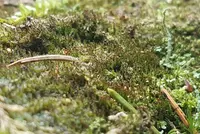
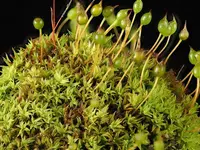
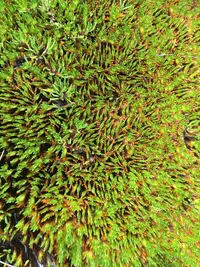
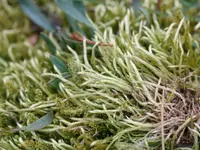
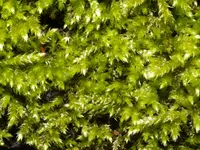
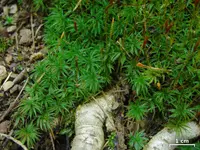
Lateral Cryphaea (Cryphaea heteromalla) is a creeping moss that forms soft, layered mats on bark, rocks, and decaying wood. Its tiny, overlapping leaves give a fine, feathery texture. This species occurs mainly in temperate woodlands of Europe and parts of North America, often in humid, shaded sites. It prefers stable moisture, cool to mild temperatures, and clean, low-nutrient substrates. Growth is usually slow but steady under consistent humidity, which makes it sensitive to drying out or strong air movement. For those who want to care for Lateral Cryphaea, the key challenge is maintaining constant moisture without waterlogging.

Main Plant Requirements

Care Difficulty

Moderate Care

Light Preference

Shade

Water Requirements

Keep Soil Moist

Temperature Preference

Cold Hardy

Hardiness Zone

5–9

Soil Texture

Loamy, Silty, Organic-rich

Soil pH

Acidic (5.5–6.5), Slightly acidic (6.5–7.0)

Soil Drainage

Moist but well-drained

Fertilization

Minimal (feed rarely)

Get Personalized Care Plan

Scan your plant to receive care tips personalized for your specific plant

Available on iOS and Android

How to Care for the Lateral Cryphaea

This moss prefers soft, indirect light and avoids harsh, drying sun.

  • Provide bright, dappled light or full shade with no more than 1–2 hours of weak morning sun per day, mimicking a woodland floor or tree trunk habitat.
  • Shield Cryphaea heteromalla from direct midday or afternoon sun, which can desiccate cushions, bleach foliage, and slow recovery after drying.
  • In summer, use filtered light under shrubs or trees; in winter, slightly more open light is acceptable as the sun is weaker and lower.

This moss depends on consistently moist conditions but is harmed by stagnant water.

  • Aim for constantly damp, never bone-dry surfaces; rewet as soon as the top feels dry to the touch and the moss begins to look slightly dull or less springy.
  • Ensure the substrate drains freely; gentle soaking followed by full drainage is safer than frequent light splashes that leave some patches dry.
  • Reduce soaking frequency in cool, wet seasons but watch for prolonged flooding, which causes dull, brownish patches and decay, while crisp, brittle fronds signal underwatering.

This species prefers cool to mild conditions and tolerates typical outdoor temperature swings.

  • Optimal active growth occurs around 50–70°F (10–21°C), especially in cool, moist spring and fall conditions with stable humidity.
  • It tolerates brief drops near 20°F (-6°C) under snow or leaf cover, but repeated freeze–thaw cycles on exposed, dry surfaces can damage tissue.
  • Heat above 80°F (27°C), particularly when combined with low humidity and direct sun, increases desiccation stress, so provide shade and frequent rehydration in hot weather.

This moss prefers consistently moist air and benefits from elevated humidity.

  • Aim for 60–90% humidity, as this woodland species dries quickly in typical 30–40% indoor air.
  • Tolerates brief dry spells but fronds become pale, crisp-edged, and brittle when humidity is too low.
  • Increase humidity with frequent fine misting, damp sphagnum around the base, or a shallow tray of water and stones placed nearby for caring for Lateral Cryphaea.

Cryphaea heteromalla grows best on moist, well-aerated, organic substrates that stay damp but not waterlogged.

  • Use a fine-textured mix of milled sphagnum, leaf mold, and a small amount of sand to mimic decaying bark or rock crevices.
  • Ensure rapid drainage; excess water should run through within seconds while the mix still feels spongy and moisture-retentive.
  • Keep pH slightly acidic to neutral (pH 5.5–7.0), avoiding strongly alkaline materials such as lime or concrete rubble.
  • Improve aeration by incorporating 10–20% fine perlite or pumice and avoid dense garden soil, clay, or compacted peat blocks.

This species can be grown in shallow containers or trays when moisture and airflow are carefully managed.

  • Choose a wide, shallow container that lets the moss spread laterally while keeping the entire substrate surface evenly moist.
  • Use a rigid, non-flexing pot so the thin substrate layer does not crack or pull away from the sides as it dries slightly.
  • Select ceramic or plastic over unsealed terracotta to slow evaporation, then adjust watering so the surface never fully dries.

This moss-like species grows on nutrient-poor bark and rocks, so Cryphaea heteromalla usually needs no added fertilizer in outdoor conditions.

Pruning Cryphaea heteromalla is minimal and mainly cosmetic, aimed at keeping mats even and healthy.

  • Best timing is late winter to early spring, before strong new growth starts.
  • Gently pinch or trim away dead, discolored, or sloughed-off patches to maintain a clean surface.
  • Lightly thin overly dense clumps to improve airflow and reduce trapped debris in shaded sites.
  • Use small scissors or fingers, avoiding tearing mats from bark or rock substrates.

When grown on mounts or in shallow trays, this moss is disturbed as little as possible during repotting or transplanting.

  • Transplant only if mats detach, substrate breaks down, or growth declines despite good moisture and light.
  • Best timing is early spring or early autumn, when temperatures are mild and humidity is higher.
  • Typical intervals are several years; mounted Lateral Cryphaea can remain on the same bark until it decays.
  • Moisten mats first, then lift in broad sections, keeping the thin rhizoids attached, and press gently onto fresh, rough bark or stone.

Propagation of this moss relies on fragmenting and reattaching living pads rather than conventional cuttings or seeds for home growers.

  • Best season is spring or early autumn with steady moisture and cool to mild temperatures.
  • Tear or cut small tufts from healthy, active areas and press onto rough bark, stone, or a shallow tray substrate.
  • Maintain high humidity and gentle, indirect light to encourage new attachment and spreading.
  • Avoid burying fragments; they should sit on the surface so new stems receive light and airflow.

This moss is naturally cold hardy in much of its range and usually needs very little targeted winter care outdoors.

  • In-ground or naturally colonized plants typically tolerate freezing and thawing without damage.
  • Container or tray cultures can be placed in a sheltered, unheated but frost-exposed area to mimic outdoor conditions.
  • Keep the substrate barely moist; avoid saturated conditions that may cause rot in prolonged freeze-thaw cycles.

Care Tips

Substrate anchoring

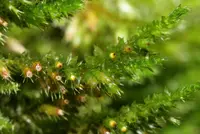
Press the moss gently but firmly onto rough bark, stone, or an old log and secure it for the first few weeks with biodegradable string or netting so the rhizoids can attach and form a stable mat.

Shaded airflow management

Set up light, shifting airflow around the colony using an open terrarium lid or a small fan on a low, indirect setting to reduce stagnant moisture while still keeping the moss surface evenly damp.

Soft-water routine

Use collected rainwater or filtered, low-mineral water in a hand mister and periodically flush the moss thoroughly to prevent tap water salts from building up and inhibiting new shoot growth.

Leaf litter layering

Scatter a very thin layer of crushed, pesticide-free leaf litter around but not fully over the moss to mimic forest duff, which helps retain moisture while still allowing light to reach the photosynthetic tissue.

Seasonal drying cycles

In outdoor or cold-frame culture, allow slightly longer dry intervals in late autumn and winter to match natural dormancy patterns, then resume more frequent misting in spring when new growth tips appear, which supports growing Lateral Cryphaea under more natural conditions.

Common Pests and Diseases

Desiccation damage

Symptoms include crisp, pale brown moss cushions that shrink and lose their soft texture, especially on exposed bark or rock. This problem is linked to prolonged dry spells, strong sun, or heat that exceeds this moss’s natural tolerance.

Solution

Rehydrate gradually by misting with soft or rainwater 1–2 times daily until cushions regain flexibility, then maintain stable moisture with frequent light watering rather than soaking. Provide shade cloth or move cultured mats to a cooler, shaded spot, and avoid direct airflow from heaters or fans that accelerates drying.

Sooty mold

This disease appears as thin, dark gray to black films on the moss surface, often where honeydew from nearby sap‑sucking insects settles. This coating reduces light penetration and slows growth of the moss carpet.

Solution

Rinse the moss gently with a soft shower of lukewarm water to remove honeydew and mold films, repeating over several days if needed. Improve air movement around the planting, reduce crowding of host plants that attract sap‑sucking insects, and avoid overhead fertilizing that can leave sticky residues on the moss.

Algal overgrowth

This problem shows as bright green, slimy patches that form a surface layer over the moss, especially in very wet, nutrient‑rich, or stagnant conditions. The algae can smother shoots and reduce gas exchange and light access.

Solution

Reduce watering frequency so the surface stays moist but not waterlogged, and ensure good drainage in terraria or trays. Manually lift and rinse affected clumps under running water, trim heavily smothered areas, and lower fertility by avoiding runoff from fertilized nearby plants.

Slugs and snails

These pests graze the moss surface, leaving irregularly thinned patches and slime trails, particularly in cool, damp outdoor or greenhouse conditions. This grazing can slow spread and open gaps that dry out more quickly.

Solution

Hand‑pick slugs and snails at dusk or early morning and remove nearby hiding spots such as dense debris and overturned pots. Use copper barriers around trays or small, pet‑safe iron phosphate pellets placed outside the moss area, and slightly reduce excess surface moisture without letting the moss dry out.

Interesting Facts

Tree-bark specialist

This moss is strongly associated with the bark of broadleaved trees, especially oaks and ash, where it forms loose mats that follow the bark’s grooves rather than forming tight cushions.

Indicator of humid woodlands

Its presence is often used by bryologists as a sign of relatively humid, shaded woodland with stable microclimate, since it is sensitive to prolonged drying and heavy air pollution.

Distinctive creeping shoots

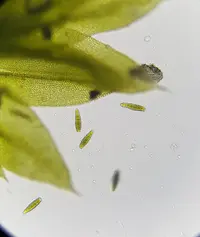
The plant has laterally flattened, irregularly branched shoots with overlapping leaves that give a characteristic feathery appearance when viewed with a hand lens.

Botan icon

Did you know?

In parts of western and central Europe, this species has declined or disappeared from some regions where it was formerly recorded, and its local loss is linked to changes in forest structure and long-term air pollution, so it is sometimes used in historical comparisons of woodland habitat quality.

FAQs about Lateral Cryphaea

This moss generally performs better outdoors on shaded, moist bark or rock, where humidity and airflow are stable. Indoors it is harder to maintain adequate moisture and ventilation, so Lateral Cryphaea indoor care demands very consistent monitoring.

Grow Healthy Plants with Botan Care

Keep your plants happy and healthy with plant identification, disease detection, and easy care guidance.

Botan plant care app — identify plants on mobile

Explore More Plants