velvet feather-moss Care (Brachytheciastrum velutinum)

velvet feather-moss

About velvet feather-moss

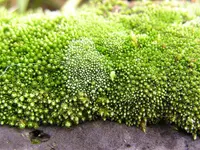
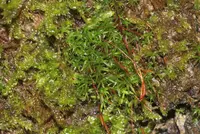
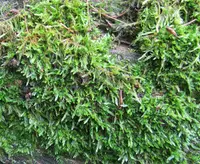
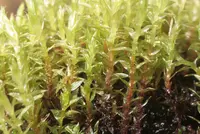
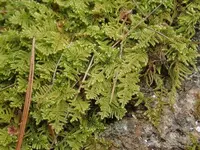
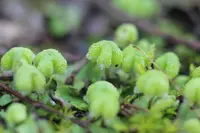
Velvet feather-moss, Brachytheciastrum velutinum, is a small, creeping moss that forms dense, soft carpets over rocks, tree bases, and soil. Its fine, overlapping leaves create a velvety texture and a rich green surface.

This species is common in temperate regions, especially in moist, shaded woodlands and along stream banks. It often colonizes stable, humid microhabitats and can act as a living mulch on forest floors.

It is generally considered adaptable but depends on consistent moisture, good air circulation, and protection from strong sun. Understanding how to care for velvet feather-moss starts with providing a cool, shaded site and evenly damp, not waterlogged, conditions.

Main Plant Requirements

Care Difficulty

Moderate Care

Light Preference

Partial Shade

Water Requirements

Keep Soil Moist

Temperature Preference

Cool Climate

Hardiness Zone

4–9

Soil Texture

Loamy, Silty, Organic-rich

Soil pH

Acidic (5.5–6.5), Slightly acidic (6.5–7.0)

Soil Drainage

Moist but well-drained

Fertilization

Minimal (feed rarely)

Get Personalized Care Plan

Scan your plant to receive care tips personalized for your specific plant

Available on iOS and Android

How to Care for the velvet feather-moss

This moss prefers cool, shaded habitats with only brief, gentle sun exposure.

  • Provide bright, dappled shade or full shade with no more than 1–2 hours of weak morning sun; avoid direct sun from 11 am–4 pm.
  • Site velvet feather-moss under shrubs, tree canopies, or on the shaded side of rocks or logs to filter and break up light.
  • In summer, protect from increased sunlight intensity; in winter, slightly higher light from bare branches is acceptable if still filtered.

This species thrives in consistently moist conditions without prolonged flooding or complete drying.

  • Aim for substrate that feels evenly damp 0–2 cm deep; rewater when the surface just begins to lose its sheen but is not yet dry.
  • Use loose, well-drained yet moisture-retentive material such as decomposing leaf litter or humus-rich soil to prevent stagnation around rhizoids.
  • Watch for pale, crisp, curling shoots as a sign of underwatering, and dark, mushy patches or foul odor as indicators of overwatering.

This moss prefers cool, mild temperatures and is adapted to temperate outdoor conditions.

  • Optimal growth occurs around 50–70°F (10–21°C), especially in consistently moist, shaded microclimates.
  • It tolerates brief drops near 23–28°F (-5 to -2°C) if kept moist and shaded, but repeated hard freezes can damage exposed cushions.
  • In hot periods above 80°F (27°C), increase shade and humidity and avoid heat-reflective surfaces, as drying combined with heat quickly stresses the plant.

This moss prefers consistently moist air and substrate for stable growth.

  • Aim for 60–90% humidity to prevent frond tips from drying and browning.
  • It tolerates brief dips to 40–50% if the substrate stays evenly damp, but prolonged dry air weakens cushions.
  • Increase humidity with frequent fine misting, grouping with other plants, or placing the container over a shallow water tray with pebbles.

This moss thrives on moist, airy, organic-rich substrates rather than dense mineral soils.

  • Use a mix of finely shredded sphagnum, leaf mold, and a small amount of fine bark to mimic forest litter.
  • Ensure the substrate drains freely yet stays evenly damp; waterlogged, stagnant conditions quickly cause dieback.
  • Keep pH slightly acidic to neutral, roughly 5.5–7.0, avoiding limed or strongly alkaline materials.
  • Improve aeration by fluffing the substrate and avoiding compaction from heavy top dressings or frequent pressing.

This species can be grown in shallow containers if moisture and airflow are carefully managed.

  • Choose a wide, shallow tray so the creeping mats can spread while the thin substrate stays evenly moist.
  • Use containers with drainage holes plus a capillary mat or absorbent layer beneath to avoid both flooding and rapid drying.
  • Select ceramic or plastic over unsealed terracotta, which pulls moisture away too quickly for velvet feather-moss.

This moss grows well on low-nutrient substrates and generally needs no added fertilizer in normal garden or terrarium conditions.

Pruning needs for Brachytheciastrum velutinum are minimal and focus on tidying rather than shaping growth.

  • Carry out light cleaning at any time, preferably during active growth for faster recovery.
  • Remove dead, browned, or decomposing patches by gently lifting or pinching them away.
  • Trim overcrowded or overhanging tufts with small scissors to keep an even carpet and prevent smothering nearby plants.
  • Use clean, sharp scissors or tweezers to avoid tearing the delicate stems and leafy shoots.

This moss is usually grown on rocks, logs, or soil surfaces where it is transplanted rather than conventionally repotted.

  • Transplant when growth lifts away from the substrate, dries at the edges, or when you want to establish a new patch.
  • Best timing is in cool, moist weather, avoiding periods of intense heat or deep frost.
  • Lift mats gently, keeping as much of the attached substrate as possible to minimize root and rhizoid disturbance.
  • Press the moss firmly onto the new moist surface, then keep evenly damp and shaded for 2–3 weeks while it reattaches.

Propagation of velvet feather-moss is straightforward and most often done by division or small patch transfer.

  • Divide healthy mats into small sections during cool, moist seasons such as early spring or fall.
  • Select green, dense pieces and avoid sections with extensive brown or decaying tissue.
  • Place divisions on a clean, rough surface (soil, bark, rock) and press them into full contact.
  • Maintain constant, gentle moisture and bright, indirect light to support new rhizoid formation and spreading growth.

This moss is generally cold hardy and usually requires little specific winter care in temperate climates.

  • In the ground, it typically tolerates light to moderate frost without additional insulation.
  • Ensure substrates do not stay waterlogged under ice, which can increase rot risk.
  • For container-grown colonies, move trays to a sheltered, unheated but frost-sheltered spot during severe cold snaps.

Care Tips

Substrate anchoring

Press the moss gently but firmly onto rough, porous surfaces such as bark, rock, or bricks so rhizoids (hair-like anchoring structures) can attach quickly and form a stable mat instead of sliding off when wet.

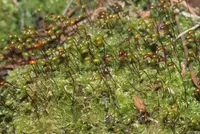
Layered colony building

Establish several small patches spaced 3–5 cm apart rather than one dense clump; as the moss spreads, these islands merge into an even carpet with better air flow and lower risk of rot.

Careful debris management

Use a soft brush or hand air-blower to remove fallen leaves, needles, or dust from the cushions regularly, since trapped debris compacts the mat and promotes fungal issues.

Gentle foot-traffic control

If used in a terrarium or shaded display, direct any handling tools or fingers to hardscape edges and avoid compressing the moss surface, which damages stems and slows regrowth.

Seasonal moisture buffering

In outdoor culture, place the moss where it can receive light splash or runoff from nearby stones or wood, which moderates moisture swings and makes caring for velvet feather-moss more forgiving during dry, breezy periods.

Common Pests and Diseases

Slime molds

This disease appears in very humid, nutrient-enriched moss patches as gray, white, or yellowish, slimy or crusty growth on the moss surface. Symptoms include temporary surface coating that can smother the fine moss shoots.

Solution

Reduce excess organic debris and avoid nutrient-rich runoff from lawns or fertilized beds, since this encourages slime mold development. Gently rinse the moss with clean water to remove surface growth and improve air movement and light penetration so the colony can dry slightly between wet periods.

Green algae overgrowth

This disease shows as a bright green, often shiny film covering the moss cushions, especially on compacted, constantly wet surfaces. Symptoms include reduced texture visibility of the moss and slower growth as algae compete for light and nutrients.

Solution

Improve drainage and light airflow, and avoid standing water on the substrate surface. Lightly agitate or brush the surface with a soft brush and rinse with clean water, then reduce nutrient input and maintain moderate, not stagnant, moisture for better Brachytheciastrum velutinum care.

Moss mites

These insects (actually small arachnids) feed within dense moss cushions, sometimes causing thinning, discoloration, and a patchy appearance in overly shaded, undisturbed mats. Symptoms include fine speckling damage and gradual loss of vigor rather than sudden dieback.

Solution

Lift and gently shake or rinse affected patches to physically dislodge mites, then slightly increase air circulation and occasional light disturbance of the surface so conditions are less favorable. In severe, persistent cases, remove the most infested sections and maintain a cooler, evenly moist but not stagnant microclimate.

Fungus gnat larvae

This pest thrives in consistently saturated, organic substrates beneath moss and can damage fine rhizoids and underlying organic layers. Symptoms include tiny black adult gnats flying when the moss is disturbed and gradual decline where the substrate stays wet and poorly aerated.

Solution

Allow the substrate just beneath the moss to approach slight dryness between waterings while keeping the moss surface lightly moist, and improve drainage by avoiding standing water in trays or on hardscapes. Yellow sticky traps help reduce adult gnats, and thinning overly thick moss mats in containers can improve air exchange and reduce larval survival.

Filamentous molds

This disease presents as fine white or gray fuzzy threads or patches between moss shoots, especially after sudden humidity spikes in poorly ventilated spaces. Symptoms include localized softening and browning of delicate stems where the mold colonizes dead or weakened tissue.

Solution

Increase airflow around the moss, open terrariums or remove covers more often, and avoid heavy, prolonged misting that leaves water sitting on the foliage. Gently remove visibly affected material with clean tweezers and rinse the area, then keep future humidity high but not stagnant with periodic fresh air exchange.

Interesting Facts

Velvety leaf texture

This species has distinctly velvety, softly hairy leaf surfaces, which help trap a thin layer of moisture around the shoots in its often humid but periodically drying habitats.

Widespread in Eurasia

It occurs across large parts of Europe and Asia, typically on tree bases, rocks, and soil in shaded forests, reflecting a broad ecological tolerance within humid temperate climates.

Indicator of moist forests

Populations are most frequent in relatively undisturbed, humid woodland, so its presence can indicate stable, shaded microhabitats with consistently cool, moist air near the ground.

FAQs about velvet feather-moss

Growth is relatively slow to moderate. In suitable, consistently moist conditions, it may extend only a few centimeters per year, forming low, spreading mats rather than tall clumps. Disturbance, drought, and irregular moisture reduce growth noticeably.

Grow Healthy Plants with Botan Care

Keep your plants happy and healthy with plant identification, disease detection, and easy care guidance.

Botan plant care app — identify plants on mobile

Explore More Plants