Shallow tray culture
Grow mats on shallow, wide trays with a 0.5–1 in mineral substrate (such as fine gravel over sandy loam) to mimic its natural thin soil habitats and prevent rhizoid rot from standing water.

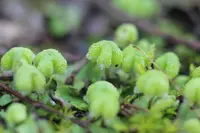
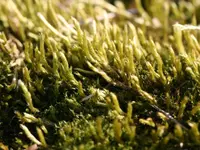
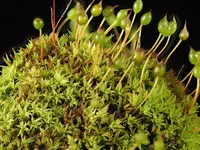
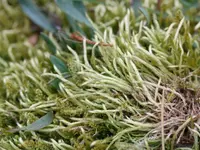
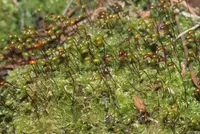
California asterella (Asterella californica) is a small, thalloid liverwort, not a typical leafy houseplant. It forms flat, green to reddish mats pressed closely against soil or rock surfaces. The plant often appears in seasonally moist, open habitats such as coastal bluffs, foothills, and disturbed ground in California and parts of the western United States.
It has a relatively simple structure and can spread quickly under favorable conditions, but is sensitive to drying out and habitat disturbance. Gardeners who care for California asterella usually focus on stable moisture, good air circulation, and neutral to slightly basic substrates.

Care Difficulty
Moderate Care

Light Preference
Partial Shade

Water Requirements
Keep Soil Moist

Temperature Preference
Warm Climate

Hardiness Zone
8–10

Soil Texture
Sandy, Loamy, Organic-rich

Soil pH
Slightly acidic (6.5–7.0)

Soil Drainage
Moist but well-drained

Fertilization
Minimal (feed rarely)
Scan your plant to receive care tips personalized for your specific plant
Available on iOS and Android
This liverwort prefers bright, open conditions without prolonged harsh exposure.
This species favors consistently moist but not stagnant conditions.
This plant is adapted to mild, Mediterranean-type climates with cool, moist winters and warm, dry summers.
This liverwort prefers moderately moist air but usually adapts well to typical indoor humidity if the substrate stays evenly damp.
This species needs a consistently moist, fine-textured medium that drains freely yet never dries out completely.
This liverwort can be grown in shallow containers, which help control moisture around its thin thalli.
Native and often growing on nutrient-poor substrates, California asterella generally needs no fertilization when established outdoors.
Asterella californica requires no true pruning; routine tidying is sufficient.
When grown in pots or moved from nursery trays, this liverwort benefits from minimal, gentle transplanting rather than frequent repotting.
Propagation of Asterella californica is possible but usually handled by specialists or habitat managers rather than casual growers.
In its native range this species is seasonally dormant and generally needs no special winter care outdoors.

Plant Health Check
Not sure what's wrong with your plant? Check your plant's health inside the app.
This liverwort is closely associated with Mediterranean-climate stream banks and vernal flow channels in California, where it colonizes periodically wet, fine-textured soils that are seasonally saturated but summer-dry.
The species is dioicous, meaning male and female reproductive organs occur on separate plants, which promotes outcrossing and genetic mixing in small, patchy populations.
Unlike many shade-loving liverworts, this species often grows in open, sunny sites; its flattened, air-chambered thallus helps manage gas exchange and water balance under high light and alternating wet–dry conditions.
This liverwort performs best outdoors or in very humid, sheltered spaces that mimic its natural rocky streamside habitats. Indoor conditions are usually too dry and low-humidity, so California asterella indoor care tends to be challenging and specialized.
Keep your plants happy and healthy with plant identification, disease detection, and easy care guidance.