mollusc ctenidium moss Care (Ctenidium molluscum)

Also known as: Comb-moss
mollusc ctenidium moss

About mollusc ctenidium moss

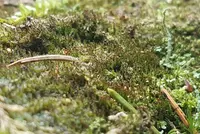
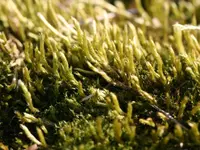
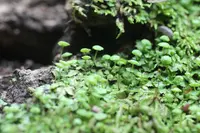
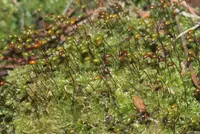
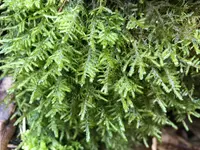
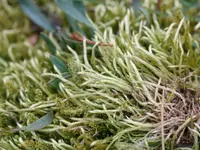
Ctenidium molluscum, often called mollusc ctenidium moss, is a creeping, mat-forming moss that creates dense, glossy green carpets on rocks, soil, and tree bases. Its finely divided, overlapping leaves give it a soft, feathery texture and a low, spreading growth habit.

This moss occurs mainly in temperate regions of Europe, Asia, and North America, usually in shaded, humid woodlands and rocky slopes. It is generally considered moderately easy to grow when moisture is stable and air is humid.

To care for mollusc ctenidium moss, provide constant, gentle moisture, good air flow, and protection from strong sun or drying winds.

Main Plant Requirements

Care Difficulty

Moderate Care

Light Preference

Partial Shade

Water Requirements

Keep Soil Moist

Temperature Preference

Cool Climate

Hardiness Zone

4–8

Soil Texture

Loamy, Silty, Organic-rich

Soil pH

Strongly acidic (4.5–5.5), Acidic (5.5–6.5)

Soil Drainage

Moist but well-drained

Fertilization

Minimal (feed rarely)

Get Personalized Care Plan

Scan your plant to receive care tips personalized for your specific plant

Available on iOS and Android

How to Care for the mollusc ctenidium moss

This moss prefers cool, shaded woodland-style light rather than direct sun exposure.

  • Provide bright shade or dappled light under trees, rock overhangs, or shrubs, with no more than 1–2 hours of weak early-morning sun.
  • Aim for conditions similar to a north or east side of a garden, where it receives 6–10 hours of indirect or filtered light each day.
  • Protect mollusc ctenidium moss from strong midday and afternoon sun, which can dry and bleach the fronds, especially in summer.

This species prefers consistently moist conditions but is sensitive to waterlogging.

  • Keep the substrate evenly damp; the surface should never fully dry, but avoid standing water or thick mud around the rhizoids.
  • Increase watering during warm, windy, or low-humidity periods, using light, frequent applications guided by touch rather than a fixed schedule.
  • Watch for signs of stress: dull, crispy shoots indicate underwatering, while limp, dark, or foul-smelling patches suggest overwatering or poor drainage around Ctenidium molluscum.

This moss is adapted to cool, temperate climates and dislikes temperature extremes.

  • Aim for 45–70°F (7–21°C) for steady growth, with best vigor often seen in the cooler part of this range.
  • Tolerates light frosts down to about 20–25°F (-6 to -4°C) if kept moist, but prolonged frozen, dry conditions can cause dieback.
  • Protect from intense heat above 80–85°F (27–29°C) by providing deep shade and higher humidity, especially during summer dry spells.

This moss prefers consistently moist, cool air and reacts quickly to drying conditions.

  • Aim for 60–90% humidity, mimicking its natural woodland microclimate under rocks and logs.
  • Tolerates short dips to 40–50% humidity, but fronds dull, curl, and feel dry when air stays too arid.
  • Increase humidity with frequent fine misting, grouped plantings, or a shallow pebble tray kept wet but not touching mollusc ctenidium moss.

This species prefers a moist, airy, organic substrate that mimics decaying woodland material.

  • Use a fine-textured mix of 60% sphagnum peat or coco coir, 20% leaf mold or compost, and 20% perlite or fine pumice.
  • Maintain constant light moisture and excellent drainage so water drains within seconds but the mix stays evenly damp, never waterlogged.
  • Target a slightly acidic pH around 5.0–6.0, similar to forest litter over sandstone or rotting wood.
  • Avoid dense garden soil, high-salt fertilizers, or mixes that compact, which reduce aeration and promote rot in Ctenidium molluscum.

This moss can be grown in shallow containers if moisture and drainage are managed carefully.

  • Choose a wide, shallow tray so the colony can spread horizontally while keeping a uniformly thin, moist substrate layer.
  • Select plastic or glazed ceramic containers rather than unglazed clay to slow evaporation and maintain stable surface moisture.
  • Elevate the container slightly so drainage holes stay clear and excess water can run off rapidly, preventing stagnant, anaerobic pockets at the base.

Ctenidium molluscum is adapted to nutrient-poor habitats and usually grows best with no added fertilizer.

Ctenidium molluscum needs minimal pruning, mainly to keep mats tidy and healthy.

  • Best timing is during active growth in spring or early autumn, avoiding extreme heat or freezing conditions.
  • Gently pinch or trim away dead, browned, or damaged fronds to reduce decay and fungal problems.
  • Thin out crowded or overly thick patches to improve air flow and maintain an even, low cushion.
  • Use clean scissors or fine snips, cutting just above healthy tissue without disturbing the substrate.

This moss is more often transplanted than repotted, since it typically grows on rocks, logs, or soil surfaces.

  • Transplant when growth becomes patchy, the substrate breaks down, or sections detach easily from the surface.
  • Best timing is in cool, moist periods of spring or early autumn to limit stress and desiccation.
  • Lift small mats with a thin layer of underlying substrate and move them onto a fresh, stable, moist surface.
  • Press gently to ensure good contact, mist thoroughly, and keep humidity high while avoiding disturbance for several weeks.

Ctenidium molluscum is usually propagated by division of existing mats rather than from spores in home settings.

  • Plan division in spring or early autumn, when moisture is reliable and temperatures are mild.
  • Cut or tear small, healthy sections that include stems and attached rhizoids, keeping pieces at least 2–3 cm wide.
  • Lay divisions onto a rough, moist surface such as stone, bark, or soil, ensuring firm contact.
  • Maintain constant surface moisture and high humidity with gentle misting until secure new attachment and growth appear.

This moss is generally cold hardy and typically needs no special winter care outdoors.

Care Tips

Mounting surfaces

Attach mats of this moss to rough, moisture-retentive surfaces such as porous rock, rotting wood, or unglazed brick using biodegradable twine or cotton mesh so the rhizoids can quickly anchor and form a stable, even carpet.

Flow and splash management

In outdoor or riparium setups, position the moss where it receives fine splashes or gentle seepage rather than direct water jets, which helps keep fronds hydrated without tearing or dislodging them.

Leaf litter topdressing

Add a very thin layer of well-soaked, finely crumbled hardwood leaf litter around but not smothering the moss to provide slow-release micronutrients and mimic the humus-rich forest floor it naturally grows on.

Algae and liverwort control

Limit excess light and reduce dissolved nutrients if green slime or small liverworts begin to overtake patches, then gently pinch or brush away invaders with soft tweezers or a paintbrush before they shade the moss.

Seasonal thinning

Once or twice a year, lift and trim back over-thick, older mats to 0.5–1 cm, re-laying only the healthiest pieces so air can reach the substrate and new shoots stay dense and resilient when growing mollusc ctenidium moss.

Common Pests and Diseases

Springtail grazing

These insects feed on moist moss surfaces and young shoots, causing a slightly thinned, patchy appearance in fine carpets. Symptoms include uneven growth and minor surface disturbance, especially in very wet containers or terrariums.

Solution

Reduce excessive saturation by allowing the substrate surface to dry slightly between mistings while keeping overall humidity high, then gently flush the moss with dechlorinated water to dislodge insects. If populations remain high, use yellow sticky traps nearby and, in enclosed setups, introduce predatory mites or small isopods as biological control rather than chemical products.

Fungal leaf blight

This disease creates small brown to dark olive patches on moss fronds that can merge into dull, dead-looking areas under stagnant, overly wet conditions. Symptoms include a slimy or matted texture and slow dieback of affected cushions.

Solution

Improve airflow around the colony, reduce overhead misting frequency, and remove heavily damaged tufts with sterilized scissors to prevent spread. For persistent problems in valuable collections, apply a dilute moss-safe fungicide to surrounding hardscape only, avoiding direct contact with the moss whenever possible.

Algal overgrowth

This problem appears as bright green, slick films or crusts covering the moss surface, often triggered by constant wetness and excess nutrients or light. Symptoms include smothered fronds, reduced oxygen access, and slowed or stopped new growth.

Solution

Cut back on fertilizer runoff and reduce light intensity or duration to 6–8 hours if grown under lamps, then gently brush or rinse off visible algae with soft water. Increasing air movement and providing brief surface drying periods helps favor growing mollusc ctenidium moss over algae in long-term culture.

Slugs and snails

These pests graze on tender moss tips and edges, leaving irregular bare patches and shredded fronds, particularly in outdoor or greenhouse cultures. This pest is most active at night or in very damp, shaded conditions.

Solution

Hand-pick slugs and snails during the evening, use low-profile barriers such as copper tape around trays, and remove nearby hiding spots like dense leaf litter or stacked pots. In outdoor beds, targeted iron phosphate bait placed away from the main moss carpet helps reduce populations with lower risk to non-target organisms.

Bryophyte rust-like infection

This disease shows as fine orange to rust-colored specks or dusting on moss surfaces, often developing in dense, poorly ventilated mats. Symptoms include reduced vigor, slower new shoot formation, and gradual thinning of the colony.

Solution

Thin overly dense cushions to create small gaps for airflow, avoid constant surface wetness, and remove and discard affected clumps rather than attempting to treat them in place. In collections with repeat issues, separate infected trays from healthy ones and disinfect containers and tools between uses.

Interesting Facts

Characteristic pleurocarpous habit

This moss forms irregular, creeping mats with pinnately branched shoots that lie flat against the substrate, a typical pleurocarpous (laterally fruiting) growth form that helps it cover rock and bark surfaces efficiently.

Preference for base‑rich rocks

In much of Europe and parts of North America, it is strongly associated with mildly to moderately basic substrates such as calcareous or base-enriched rocks, making it a useful indicator of local geology and substrate chemistry.

Distinctive glossy foliage

The small, overlapping leaves are strongly falcate (sickle-shaped) and often give patches a yellow‑green to golden glossy appearance, which helps bryologists distinguish it from similar sheet-forming mosses in the field.

Botan icon

Did you know?

This species is widely used in bryological surveys as a diagnostic element of the so‑called Ctenidium–Neckera calcicolous moss community on shaded calcareous rock outcrops, helping ecologists classify and compare rock-dwelling moss assemblages across different regions.

FAQs about mollusc ctenidium moss

This species spreads gradually through creeping stems and fragmentation, forming dense carpets over time. It is not usually considered aggressive, but in consistently cool, moist, shaded sites it can slowly cover large areas if left unmanaged.

Grow Healthy Plants with Botan Care

Keep your plants happy and healthy with plant identification, disease detection, and easy care guidance.

Botan plant care app — identify plants on mobile

Explore More Plants