Cryptomitrium tenerum Care

Cryptomitrium tenerum

About Cryptomitrium tenerum

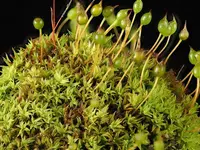
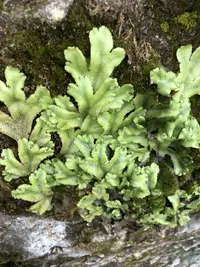
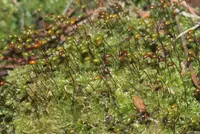
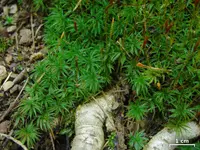
Cryptomitrium tenerum is a small, non-vascular plant called a liverwort, forming flat, green mats that hug moist rock or soil surfaces. It has a low, spreading habit and lacks true roots, stems, and leaves, instead growing as a simple, lobed thallus.

This species naturally occurs in cool, damp habitats, often along shaded stream banks and wet rock faces in parts of North America and Asia. It can be sensitive to drying out and to poor air circulation, so care for Cryptomitrium tenerum usually involves keeping conditions evenly moist, shaded, and stable.

Main Plant Requirements

Care Difficulty

Hard Care

Light Preference

Partial Shade

Water Requirements

Aquatic

Temperature Preference

Cool Climate

Hardiness Zone

7–9

Soil Texture

Silty, Peaty, Organic-rich

Soil pH

Strongly acidic (4.5–5.5), Acidic (5.5–6.5)

Soil Drainage

Waterlogged tolerant

Fertilization

Minimal (feed rarely)

Get Personalized Care Plan

Scan your plant to receive care tips personalized for your specific plant

Available on iOS and Android

How to Care for the Cryptomitrium tenerum

This liverwort prefers cool, consistently moist habitats with soft, filtered light rather than strong sun.

  • Provide bright shade or dappled light, such as under shrubs or beside north- or east-facing walls, with roughly 2–4 hours of gentle morning sun if humidity stays high.
  • Avoid direct midday and afternoon sun, which can scorch tissue and dry thin fronds within hours, especially when temperatures exceed 75°F (24°C).
  • In summer, increase shade as the sun angle rises; in winter, allow slightly more open light so Cryptomitrium tenerum can photosynthesize efficiently without drying out.

This species needs constantly moist conditions that mimic a damp, shaded rock or soil surface.

  • Aim for a consistently damp substrate; do not let the top 0.5–1 cm dry out, as the thin thallus dehydrates quickly and may turn crisp at the edges.
  • Use soft, low-mineral water if possible and water gently whenever the surface looks less glossy or feels only slightly moist, allowing excess to drain away from crevices.
  • Reduce watering frequency slightly in cooler weather but never allow complete drying; signs of overwatering include stagnant smell and slimy tissue, while curling and dull color indicate underwatering.

This temperate liverwort prefers cool to mild conditions and does poorly in temperature extremes.

  • Optimal growth occurs around 50–68°F (10–20°C), which supports steady moisture without rapid evaporation or heat stress.
  • Short exposures down to about 32°F (0°C) may be tolerated if the substrate stays moist, but repeated hard frost below 28°F (−2°C) can damage tissues.
  • Heat above 77–82°F (25–28°C) combined with sun quickly dries the plant; in warm seasons, prioritize shade and high humidity to keep temperatures around the thallus as stable as possible.

This liverwort prefers consistently moist, high-humidity conditions to maintain healthy thalli growth.

  • Aim for 70–90% humidity, as prolonged exposure below 50% quickly dries tissues.
  • Low humidity stress shows as curling, dull, and brittle fronds that fail to expand after watering.
  • Increase humidity with a covered terrarium, closed propagation box, or plastic dome while ensuring some air exchange.
  • Avoid strong air currents or direct heating sources that rapidly evaporate surface moisture and desiccate the plant.

Provide a consistently damp, fine-textured, organic-rich substrate that mimics shaded stream-bank or forest-floor conditions.

  • Use a mix of sifted leaf mold or compost, fine bark, and a little sand to create a soft, moisture-retentive but aerated layer.
  • Maintain pH slightly acidic to neutral (pH 5.5–7.0), avoiding limy or strongly alkaline mineral substrates that inhibit growth.
  • Keep the soil just above saturation, never waterlogged, by using a shallow layer over drainage material so excess water can drain away.
  • For Cryptomitrium tenerum, avoid coarse, chunky, or fast-drying mixes that allow the thin tissues to dehydrate between waterings.

This species is suitable for shallow container culture, especially in terrariums or covered trays that maintain constant surface moisture.

  • Choose wide, shallow trays so the colony can spread horizontally while the thin substrate stays evenly damp.
  • Use a solid, non-porous container material such as plastic or glazed ceramic to slow evaporation from the thin soil layer.
  • Raise the substrate on a drainage layer so excess water can sit below the root zone without flooding the growing surface.

This liverwort typically needs no additional feeding when grown on naturally moist, low-nutrient substrates.

Pruning is generally unnecessary for this low-growing, mat-forming liverwort.

Transplanting Cryptomitrium tenerum focuses on preserving its moist, shaded microhabitat rather than frequent container repotting.

  • Move small mats only when actively growing in spring, keeping attached soil or substrate intact.
  • Transplant when growth declines or patches detach naturally, rather than on a set schedule.
  • Lift sections gently with a thin spatula, minimizing disturbance to rhizoids and underlying soil.
  • Reestablish on consistently damp, humus-rich surfaces and shade well for 1–2 weeks to limit stress.

Propagation of this liverwort is possible but usually slow and better suited to patient growers.

  • Use small mat divisions, retaining both green tissue and underlying substrate for best recovery.
  • Carry out divisions in cool, moist spring conditions to reduce desiccation risk.
  • Set pieces onto acid, humus-rich, constantly damp surfaces under high humidity and low light.
  • Avoid covering thalli with soil; mist very lightly and keep air movement gentle to prevent fungal issues.

This species is generally hardy in mild, moist climates and often needs little specific winter care outdoors.

  • In regions with freezing winters, situate colonies in sheltered, shaded spots that remain cool but not exposed to wind.
  • Maintain evenly moist conditions; do not allow the substrate to dry out during thaws.
  • For container culture, move trays into a cold, frost-free space and keep light low and humidity moderate.

Care Tips

Mimic splash zones

Place the colony near but not directly under a gentle, intermittent water source such as the overspray of a mister bar or the drip line of another setup to simulate the periodic wetting and drying it experiences on streambanks.

Use inert mounting

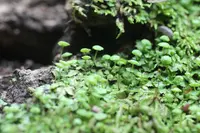
Mount fronds on inert, non‑calcareous materials like lava rock, slate, or hardwood bark to prevent mineral buildup and to allow easy removal for cleaning or division.

Create cool air layer

Provide a cooler air boundary layer by positioning a small fan to move air gently across but not directly at the plant, which reduces fungal issues while preventing heat accumulation around the thallus.

Seasonal water reduction

In late autumn and winter, slightly extend the interval between thorough soakings to mimic natural seasonal drying, which supports healthier, more compact growth when growing Cryptomitrium tenerum.

Algae and moss control

Periodically lift and rinse the colony under low‑pressure water and gently scrape away encroaching algae or moss from the substrate so light and air can still reach the thalli efficiently.

Common Pests and Diseases

Fungal desiccation patches

Symptoms include dull, brown, paper-dry patches that form on the thallus surface, often starting where water stands and air movement is low. This disease slowly kills affected tissue and can spread across crowded mats.

Solution

Remove and discard dried, discolored sections with clean scissors, then thin and divide the mat so more air can move between pieces. Maintain very even moisture without stagnant puddles, use rain or distilled water, and provide gentle airflow to keep surfaces moist but not constantly waterlogged.

Algal overgrowth

This disease appears as a slimy green film on the thallus and surrounding substrate, often in very wet, bright sites. These organisms compete for light, trap excess moisture, and can smother young growth.

Solution

Rinse the surface gently with soft water to loosen the film, then carefully lift and re-set thalli onto fresh, well-rinsed, low-nutrient substrate. Reduce fertilizer, slightly lower light intensity, and improve drainage so the surface stays moist but not submerged for long periods.

Mite infestation

This pest is often unnoticed at first but results in dull, roughened patches and very fine speckling or pitting on the thallus. These arthropods feed on soft tissues and can stunt new growth under dry, stagnant conditions.

Solution

Increase ambient humidity while keeping some airflow, then rinse the plant under a gentle stream of room-temperature water to dislodge mites. If populations persist, apply a mild insecticidal soap or horticultural oil formulated for delicate foliage, testing on a small area first and repeating at 5–7 day intervals as part of broader Cryptomitrium tenerum care instructions.

Slugs and snails

These insects create irregular holes, shredded edges, and slime trails on the fleshy thallus, especially in shaded, very moist setups. Damage is often most visible after night periods.

Solution

Hand-pick slugs and snails during evening or early morning checks and remove hiding places such as loose debris around the container. In enclosed or outdoor setups, use physical barriers, copper tape, or shallow beer traps outside the planting area, and avoid overfeeding that might attract more grazing invertebrates.

Interesting Facts

Umbrella-like thallus form

This liverwort forms thin, umbrella-like thalli with radiating lobes that lie closely pressed to wet rock, a growth form that maximizes contact with moist surfaces while still capturing light in shaded stream corridors.

Specialized splash-cup dispersal

On the upper surface it produces small, cup-shaped structures that hold reproductive bodies; raindrops striking these cups splash the propagules outward, helping the plant colonize nearby wet rock and soil surfaces.

Preference for shaded waterfalls

In nature it is most often found on persistently wet rock near waterfalls, seepage zones, and splash zones of streams, where high humidity, low light, and constant water movement create a narrow ecological niche that few other bryophytes can tolerate.

Botan icon

Did you know?

Cryptomitrium tenerum is one of the few liverworts in western North America that characteristically forms extensive, almost continuous mats on vertical or overhanging dripping rock faces, creating a distinctive green coating that can dominate the bryophyte community in these microhabitats when moisture is stable.

FAQs about Cryptomitrium tenerum

This liverwort performs best outdoors in cool, shaded, constantly moist conditions that mimic streambanks or wet rocks. Indoors it is difficult to keep humidity and airflow stable, so long‑term success is limited except in specialized terrarium setups.

Grow Healthy Plants with Botan Care

Keep your plants happy and healthy with plant identification, disease detection, and easy care guidance.

Botan plant care app — identify plants on mobile

Explore More Plants