broom forkmoss Care (Dicranum scoparium)

Also known as: dicranum moss, Windswept Broom Moss, Broom Moss, Common Broom Moss
broom forkmoss

About broom forkmoss

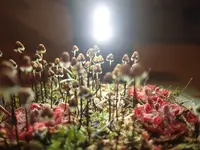
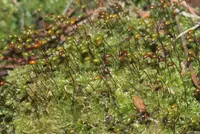
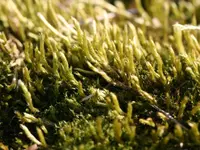
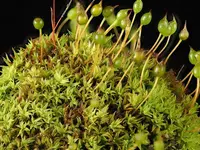
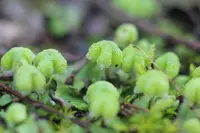
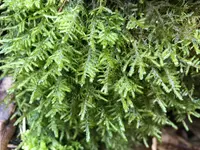
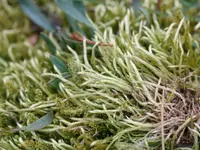
Broom forkmoss, Dicranum scoparium, is a common acrocarpous moss that forms dense, upright tufts that resemble small, neat cushions or brushes. Its narrow, slightly curved leaves give a tidy, broom-like look.

This moss naturally occurs on forest floors, rotting logs, and rocks across much of North America and Europe, usually in cool, humid woodlands. It is relatively forgiving if kept consistently moist and protected from strong sun and drying winds, which makes it practical to care for broom forkmoss in shaded gardens or terrariums.

It prefers soft, slightly acidic substrates and stable moisture rather than frequent drying. Once established in a suitable, low-disturbance spot, it tends to spread slowly but steadily.

Main Plant Requirements

Care Difficulty

Moderate Care

Light Preference

Partial Shade

Water Requirements

Keep Soil Moist

Temperature Preference

Cold Hardy

Hardiness Zone

3–8

Soil Texture

Loamy, Peaty, Organic-rich

Soil pH

Strongly acidic (4.5–5.5), Acidic (5.5–6.5)

Soil Drainage

Moist but well-drained

Fertilization

Minimal (feed rarely)

Get Personalized Care Plan

Scan your plant to receive care tips personalized for your specific plant

Available on iOS and Android

How to Care for the broom forkmoss

This moss prefers cool, shaded forest-like light conditions with limited direct sun.

  • Provide 0–2 hours of soft morning sun and 6–8 hours of bright, dappled or filtered light under shrubs, trees, or shade cloth.
  • Allow only brief early or late-day direct light; strong midday or afternoon sun can scorch broom forkmoss, causing bleaching and crispy patches.
  • In summer, increase shade protection, while in low-light months avoid dense evergreen cover so some diffuse skylight still reaches the colony.

This moss needs consistently moist, but not stagnant, conditions around its surface and rhizoids.

  • Aim for constantly damp substrate; in dry weather, mist or gently hose when the surface begins to lighten in color or feel just barely dry to the touch.
  • Ensure the site drains freely; soggy, anaerobic soil encourages decay, algae, and a foul smell, which signal chronic overwatering or poor drainage.
  • In hot or windy periods, inspect moisture daily; in cool, humid seasons, water less often but never allow Dicranum scoparium to stay crisp-dry for more than a short time.

This moss is cold-hardy and tolerates a wide outdoor temperature range when moisture is adequate.

  • Optimal active growth occurs around 45–70°F (7–21°C), especially during cool, moist spring and autumn conditions.
  • Plants usually survive down to about 0°F (-18°C) under snow cover or leaf litter, but repeated freeze–thaw with exposed, dry cushions can cause dieback.
  • Heat tolerance drops above 80–85°F (27–29°C); provide deep shade and high humidity during hot spells to reduce desiccation and thermal stress.

This moss prefers consistently high humidity to stay dense and green.

  • Aim for 60–90% humidity, mimicking a moist forest floor environment for broom forkmoss.
  • Brown, crispy shoot tips and thinning cushions indicate air is too dry or fluctuating sharply.
  • Increase humidity by placing the container in a wide tray of moist pebbles and misting lightly 1–2 times daily, avoiding waterlogging.

This species favors moist, airy, acidic substrates that resemble decomposing forest litter.

  • Use a fine-textured mix of 60–70% sphagnum peat or coco coir with 30–40% fine sand or pumice for structure.
  • Maintain acidic conditions, ideally pH 4.5–6.0, which supports Dicranum scoparium and discourages many competing plants.
  • Keep the substrate evenly moist but never saturated; it should feel springy and well‑aerated, not compacted or muddy.
  • Avoid heavy clay, high-lime mixes, or rich manured composts, which retain too much water and raise pH.

This moss can be grown in shallow containers if moisture and stability are managed carefully.

  • Select a wide, low container so the moss forms a stable mat and does not slump or detach on vertical sides.
  • Choose unglazed ceramic or breathable plastic to slow but not stop evaporation, helping maintain an even moist surface.
  • Elevate the container slightly so drainage holes remain clear and brief runoff does not reabsorb into the moss layer.

This moss grows well on nutrient-poor substrates and usually needs no additional fertilizer in home culture.

Dicranum scoparium needs only minimal grooming to keep cushions healthy and tidy.

  • Best time is during active growth in spring or early fall, when recovery is fastest.
  • Pinch or trim away dead, browned, or damaged shoots with fine scissors rather than tearing by hand.
  • Thin out compacted, crowded tufts to improve air flow and reduce trapped debris or algae.
  • Handle cushions gently to avoid disturbing the rhizoids, the fine anchoring structures.

This species is more often transplanted as mats or cushions than repotted like a typical houseplant.

  • Transplant when mats detach, dry patches appear, or growth thins rather than waiting for visible roots.
  • Choose cool, moist weather in spring or fall so cushions re-anchor before heat or drought.
  • Move clumps with their supporting substrate (bark, rock, or soil) to limit disturbance to rhizoids.
  • Firm gently into the new surface, then keep evenly moist and shaded for 2–3 weeks while it re-establishes.

Dicranum scoparium is commonly propagated by division of existing cushions rather than from spores in home settings.

  • Divide healthy, dense mats in early spring or fall when moisture is reliable and temperatures are mild.
  • Tear or cut cushions into small plugs, each with green shoots and attached brown basal tissue.
  • Press plugs firmly onto a suitable acidic, moist substrate such as decayed wood, rock, or low-nutrient soil.
  • Maintain high humidity and consistent surface moisture, with bright shade and no direct sun until growth resumes.

This moss is naturally cold hardy across much of its range and usually needs no special winter care outdoors.

  • In-ground or on-rock colonies tolerate freezing and snow without extra mulching or covering.
  • For containers, keep the substrate just moist, not waterlogged, to avoid freeze-thaw root disturbance.
  • Move delicate dish gardens to a cold, bright, frost-free space if containers might crack outdoors while caring for broom forkmoss.

Care Tips

Use Rainwater Rinse

Every 4–8 weeks, place outdoor patches where they receive gentle rain or pour room‑temperature rainwater over indoor cushions to flush dust and dissolved salts from the moss surface without disturbing the clumps.

Anchor On Substrate

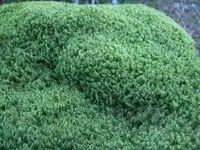
When establishing new cushions on wood, rock, or soil, lightly press the moss into the surface and secure it with a few small twigs or biodegradable netting until rhizoids (anchoring filaments) grip and hold it in place.

Layered Cushion Planting

For faster coverage, plant several small tufts close together in a shallow tray or shaded bed, overlapping their edges slightly so they knit into a single dense, upright cushion instead of staying as scattered tufts.

Mimic Forest Litter

Scatter a very thin layer of crushed, pesticide‑free leaf litter around but not on top of the cushions to buffer moisture, keep the substrate acidic, and reduce splashing that can dislodge moss fragments when watering.

Seasonal Dormancy Check

In hot or very dry periods, allow cushions to go dry and firm, then inspect them after the first thorough rewetting; trim away obviously dead, brown, brittle patches so light and air reach the still‑green tissue, which supports growing broom forkmoss more evenly over time.

Common Pests and Diseases

Slime molds

This disease appears as shiny, slimy patches or cushions on the moss surface, often in gray, white, or yellow tones. Symptoms include local dieback or smothering of the green cushions when moisture remains high and air movement is low.

Solution

Reduce standing water and improve air circulation around the moss by thinning dense growth and ventilating terrariums or shaded corners. Gently rinse the affected area with clean water, physically remove heavy slime patches with tweezers or a soft brush, and let the surface dry slightly between mistings to prevent recurrence.

Green algal overgrowth

This condition shows up as a smooth, slick green film coating the moss and substrate, often in very bright or stagnant light with constant moisture. Symptoms include fading or yellowing of the moss beneath the algal layer and slower new growth.

Solution

Cut back on continuous moisture by allowing short drying intervals, and reduce direct light intensity. Rinse the moss gently to break up the algal film, scrape or sponge algae from nearby hard surfaces, and increase airflow so the surface does not stay saturated for long periods.

Springtail overpopulation

These insects are tiny, jumping arthropods that thrive in constantly wet substrates and can form dense swarms in terrariums or trays. Symptoms include visible movement across the moss surface and, in extreme cases, nibbling on tender new tips or decaying debris that can alter the moss microclimate.

Solution

Lower overall moisture slightly and improve drainage so the substrate is damp but not waterlogged, which will naturally reduce their numbers. If populations remain high, manually remove clusters with a small vacuum on low power or sticky traps, and reduce excess organic debris that provides them with abundant food.

Fungal leaf spot

This disease causes small brown or dark olive spots on leaf tips and sides, sometimes merging into irregular patches on dense cushions. Symptoms include thinning or browning of the upper moss layer, especially in areas with stagnant, humid air and frequent overhead watering.

Solution

Trim and discard the most affected tufts to remove inoculum, then increase spacing and airflow so foliage dries more quickly after misting. Water in the morning using a fine mist, avoid constant surface saturation, and if problems persist, briefly dry the surface between waterings to limit fungal spread without desiccating the moss.

Mite damage

These pests are tiny arachnids that may live among the moss shoots, feeding on delicate leaf tissues or associated microorganisms. Symptoms include uneven browning of small patches and a slightly rough or chewed appearance on the moss surface, sometimes with very fine webbing in dry, warm spots.

Solution

Increase ambient humidity slightly and rinse the moss gently with lukewarm water to dislodge mites from the foliage. If populations stay high, isolate affected clumps and apply an insecticidal soap or horticultural oil at very low concentration, testing a small area first, and maintain stable, cool to moderate temperatures that favor healthy Dicranum scoparium care over mite activity.

Interesting Facts

Cushion-forming moss

This species forms dense, cushion-like tufts with leaves that all curve in the same direction, which is why it is commonly called broom forkmoss. The uniform leaf bending helps channel water across the plant surface and may reduce drying by wind.

Specialized leaf cells

Its leaves contain elongated cells with thickened walls and a strong midrib, which provide mechanical support while allowing efficient water conduction by capillary action. This structure helps the moss stay upright and functional even in relatively exposed, dry sites.

Indicator of forest conditions

Broom forkmoss is common in cool, moist, acidic forests on logs, stumps, and soil, and it often indicates stable, humid microhabitats. Its presence can signal relatively low levels of disturbance and a well-developed moss layer in forest ecosystems.

Botan icon

Did you know?

Dicranum scoparium can survive long dry periods by entering a desiccation-tolerant state, in which its tissues lose much of their water and metabolic activity slows sharply, then resume normal function within hours after rehydration.

FAQs about broom forkmoss

This species spreads slowly by creeping stems and spores, forming dense cushions over time rather than fast carpets. It is not considered aggressive and is usually easy to confine to defined areas in gardens or terrariums.

Grow Healthy Plants with Botan Care

Keep your plants happy and healthy with plant identification, disease detection, and easy care guidance.

Botan plant care app — identify plants on mobile

Explore More Plants