Smaller Lattice-moss Care (Cinclidotus fontinaloides)

Smaller Lattice-moss

About Smaller Lattice-moss

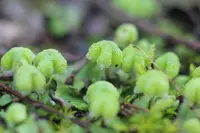
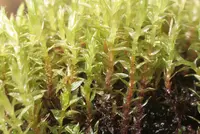
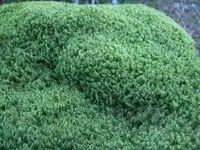
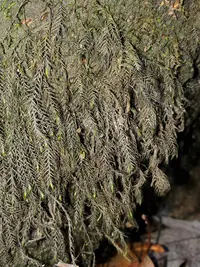
Smaller lattice-moss (Cinclidotus fontinaloides) is an aquatic or semi-aquatic moss that forms dense, low cushions or mats on rocks in fast-flowing streams and rivers. Its leaves are small, narrow, and neatly arranged, giving a fine, textured look when colonies spread over wet stone.

This moss occurs naturally across much of Europe and parts of western Asia, usually where water is clean, cool, and in constant motion. It is relatively easy to keep under stable, moist conditions but can dry out quickly if removed from its preferred habitat.

Those who want to learn how to care for Smaller Lattice-moss should provide steady moisture, good water movement, and soft, low to moderate light, avoiding strong, drying sun exposure.

Main Plant Requirements

Care Difficulty

Moderate Care

Light Preference

Partial Shade

Water Requirements

Aquatic

Temperature Preference

Cold Hardy

Hardiness Zone

5–9

Soil Texture

Rocky, Silty, Organic-rich

Soil pH

Slightly acidic (6.5–7.0), Neutral (7.0)

Soil Drainage

Waterlogged tolerant

Fertilization

Minimal (feed rarely)

Get Personalized Care Plan

Scan your plant to receive care tips personalized for your specific plant

Available on iOS and Android

How to Care for the Smaller Lattice-moss

This moss prefers bright, indirect light similar to light along cool, shaded stream edges.

  • Provide 2–4 hours of soft morning sun or filtered light through shrubs or rocks; avoid strong midday and afternoon sun that can desiccate cushions.
  • Tolerates partial to deep shade, but in very dark sites growth becomes sparse and pale; use dappled light under deciduous trees for denser Smaller Lattice-moss mats.
  • In summer, shield from reflective heat and full sun exposure; in winter, slightly more open light is beneficial where tree canopies are bare.

Moisture levels are more critical than strict watering schedules for this streamside moss.

  • Keep the substrate consistently moist but not flooded; surfaces should feel damp to the touch, never crackly dry or submerged for long periods.
  • Increase watering or misting during hot, windy periods so the top surface does not dry completely for more than 12–24 hours, especially on exposed rocks or wood.
  • Reduce added water in cool, wet seasons to avoid stagnant conditions; signs of overwatering include slimy, decaying patches, while underwatering causes brittle, grayish cushions.

This species is adapted to cool, temperate conditions with moderate seasonal variation.

  • Optimal growth occurs around 50–68°F (10–20°C), typical of shaded stream banks; steady moisture helps buffer brief temperature swings.
  • Tolerates winter down to about 23°F (-5°C) if kept moist and not exposed to drying winds; extended deep freezes without insulating snow can cause dieback.
  • Handles short heat spells up to 80–86°F (27–30°C) if humidity stays high and the substrate remains moist; prolonged heat with low humidity leads to dormancy and browning.

This moss prefers consistently moist, humid conditions similar to stream edges.

  • Aim for 60–90% humidity; it tolerates brief dips lower but dries quickly in heated indoor air.
  • Crisping, paling, or brittle cushions indicate humidity stress and insufficient surface moisture.
  • Increase humidity by placing on a constantly damp, shallow pebble tray or near a gentle water feature, and mist lightly once drying is noticed.

For cultivation, use a moist, mineral-based substrate that mimics its natural streamside rocks.

  • Use a mix of fine horticultural sand, small gravel, and a small amount of sifted compost to provide anchoring and steady moisture without becoming waterlogged.
  • Ensure water drains freely around the substrate; standing water over the moss encourages rot and algae that can smother Cinclidotus fontinaloides.
  • Keep pH roughly neutral to slightly alkaline (pH 6.5–7.5), avoiding strongly acidic peat-heavy mixes that alter its natural chemistry.
  • Improve aeration by including 20–30% small grit or pumice so thin rhizoids can attach while water films remain thin and oxygenated.

This stream-adapted moss can be grown in shallow containers that stay evenly moist.

  • Choose a wide, shallow tray so the moss forms low cushions and water films spread thinly instead of pooling deeply.
  • Line the base with a thin layer of fine gravel to stabilize rocks or substrate pieces where the moss anchors.
  • Place the container inside a second, waterproof tray to allow brief, controllable flooding and quick draining that mimics stream fluctuations.

Cinclidotus fontinaloides usually thrives without added nutrients, especially when attached to nutrient-rich streamside rocks or wood.

Cinclidotus fontinaloides needs only light grooming rather than structured pruning.

  • Trim away dead or decaying patches at any time using fine scissors or tweezers.
  • Remove shaded, overcrowded tufts to improve light penetration and airflow across the moss mat.
  • Lift and thin thick cushions to maintain an even, low profile on rocks or hardscape surfaces.
  • Handle gently to avoid tearing rhizoids, which anchor the moss to its substrate.

This moss is usually grown attached to stone or wood, so care focuses on transplanting clumps rather than true repotting.

  • Transplant when growth lifts or detaches from the substrate, or when coverage is too dense or patchy.
  • Ideal timing is in cool, moist periods such as early spring or early fall for lower stress.
  • Every 2–3 years, refresh the planting surface, removing algae or debris before reattaching clumps.
  • Keep clumps moist at all times, pressing gently onto clean rock or wood until new anchoring rhizoids form.

Propagation of Smaller Lattice-moss is straightforward by vegetative division rather than spores for most home growers.

  • Best season is early spring or fall, when moisture is high and temperatures are mild.
  • Tear or cut small, healthy tufts, each with stems and some rhizoids, rather than single leaves.
  • Press divisions firmly onto rough, clean rock, wood, or mesh so they make close contact.
  • Maintain constant surface moisture and gentle airflow until steady new growth confirms establishment.

This streamside moss is quite cold hardy and normally needs no special winter care outdoors in temperate climates.

  • In freezing regions, ensure the substrate stays moist but not encased in thick, persistent ice.
  • For container displays, keep trays in a cold, bright, frost-free area to reduce freeze–thaw damage.
  • Avoid strong winter sun combined with drying wind, which can desiccate exposed cushions.

Care Tips

Rock Surface Preparation

Before attaching the moss, scrub rocks or hardscape with a stiff brush under water to remove algae and biofilm so the rhizoids can anchor more firmly and spread evenly.

Low-Flow Attachment

To establish colonies in artificial streams or aquaria, secure small clumps with inert mesh, fishing line, or silicone dots in low-flow microzones, then gradually increase water movement over 2–3 weeks to encourage stronger, more compact growth.

Seasonal Flow Adjustment

In outdoor water features, slightly reduce flow in mid-summer low-water periods and during winter freezing risk so exposed cushions are not desiccated or physically torn away by sudden surges.

Sediment Management

Periodically siphon or gently rinse away fine silt deposits around the moss cushions, since accumulated sediment can smother shoots and block access to light and dissolved nutrients while caring for Smaller Lattice-moss.

Fragment-Based Propagation

For new colonies, break healthy cushions into small fragments and press them firmly onto new rock faces or filter foam pads, keeping them continuously moist and in moving water so fragments do not dry out before rhizoids reattach.

Common Pests and Diseases

Algal overgrowth

Symptoms include bright green, slimy films covering the moss cushions, often in nutrient-rich or stagnant water. This overgrowth can shade the moss and slow its growth.

Solution

Reduce nutrient input by limiting fertilizer or runoff, increase water movement if grown in artificial streams or aquaria, and manually rinse or gently brush off algal layers from the moss. If possible, lower light intensity slightly and perform more frequent partial water changes to stabilize conditions for Cinclidotus fontinaloides plant care.

Silt and sediment smothering

Symptoms include dull, brownish cushions where fine sediment or silt has settled densely over the moss, blocking light and gas exchange. This condition is frequent in slow-flowing or disturbed stream sections.

Solution

Gently swish or rinse the moss in clean, low-mineral water to remove loose sediment and, in artificial setups, improve filtration and flow so particles stay suspended and are removed. Avoid placing the moss where heavy soil disturbance, bank erosion, or construction runoff can repeatedly deposit new silt layers.

Desiccation damage

This disorder occurs when water levels drop or splash zones dry, causing the moss to become crisp, pale, and patchy, with some shoots dying back. Repeated severe drying can thin cushions and slow recovery.

Solution

Maintain stable water levels or regular splashing in cultivation tanks or water features, ensuring the moss remains consistently moist but not exposed to prolonged drying. In outdoor settings, position colonies on rocks that stay in the spray zone or shaded areas, and avoid extended drainage or dewatering events.

Aquatic snail grazing

These animals rasp the moss surface, creating uneven, thinned patches and sometimes exposing rock underneath. In enclosed systems, damage is more noticeable as local bare areas where cushions fail to thicken.

Solution

Manually remove larger snails from artificial streams or aquaria and reduce excess organic debris that supports snail populations. If grazing is persistent, use physical barriers such as mesh screens around key colonies or relocate the moss to areas with weaker snail presence and stronger flow, where grazing pressure is lower.

Aquatic midge larvae damage

These insects live among the moss cushions, where some species graze on delicate shoot tips or disturb the structure while feeding and building tubes. Affected patches may appear uneven, with shorter or frayed shoots and fine debris trapped in the clump.

Solution

Improve current and gently rinse the moss to dislodge larvae, especially in artificial channels or tanks, and reduce organic sediments that provide larval habitat. In controlled systems, temporary increased flow and careful siphoning around the cushions help limit larval numbers without harming the moss.

Interesting Facts

Specialist river moss

This species is tightly attached to rocks in fast-flowing, well-oxygenated rivers and streams, where its dense mats can withstand strong currents that would dislodge many other mosses.

Indicator of water quality

Populations are typically found in relatively clean, calcareous waters with stable flow, so its presence or absence is sometimes used by botanists as an indicator of local river conditions.

Distinctive leaf structure

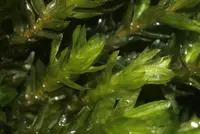
The leaves form a narrow, almost four-angled tube around the stem, a feature that helps channel water flow along the plant surface and makes this species easier to recognize in the field.

Botan icon

Did you know?

This moss has a strongly western and central European distribution, and in several countries it is regionally rare or declining due to river regulation, pollution, and channel engineering that remove or alter the rocky habitats it requires.

FAQs about Smaller Lattice-moss

This species spreads slowly by short creeping stems and fragments that anchor to rock or wood. It usually forms small patches rather than carpets. In managed setups it is easy to confine by physically trimming or lifting clumps.

Grow Healthy Plants with Botan Care

Keep your plants happy and healthy with plant identification, disease detection, and easy care guidance.

Botan plant care app — identify plants on mobile

Explore More Plants