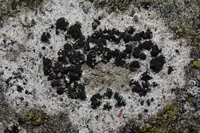
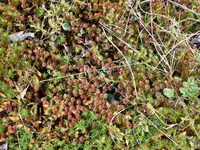
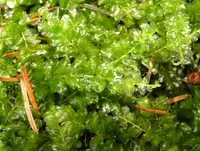
common green bryum moss Care (Bryum pseudotriquetrum)

Also known as: Marsh Bryum
common green bryum moss

About common green bryum moss

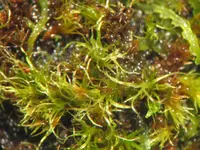
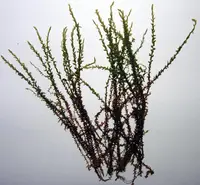
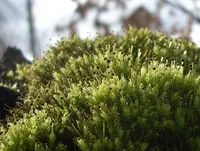
Common green bryum moss (Bryum pseudotriquetrum) is a small, carpet-forming moss that creates dense, bright to yellow-green patches. Its upright, slender shoots often grow close together, giving a soft, cushion-like look.

This species naturally occurs in cool and temperate regions, especially in moist places such as stream banks, wetlands, and damp soil or rock. It is tolerant of cold and periodic flooding, which makes it relatively resilient in cultivation.

Under stable moisture and gentle light, it establishes slowly but then forms persistent mats. These traits make it suitable for terrariums, paludariums, and outdoor shaded features, as long as you understand how to care for common green bryum moss.

Main Plant Requirements

Care Difficulty

Moderate Care

Light Preference

Partial Shade

Water Requirements

Aquatic

Temperature Preference

Cold Hardy

Hardiness Zone

2–9

Soil Texture

Silty, Peaty, Organic-rich

Soil pH

Acidic (5.5–6.5), Slightly acidic (6.5–7.0)

Soil Drainage

Waterlogged tolerant

Fertilization

Minimal (feed rarely)

Get Personalized Care Plan

Scan your plant to receive care tips personalized for your specific plant

Available on iOS and Android

How to Care for the common green bryum moss

This moss prefers cool, moist sites with soft, indirect light rather than strong direct sun.

  • Provide bright shade or dappled light with 1–3 hours of gentle morning sun and no harsh afternoon sun to prevent drying of the cushions.
  • Common green bryum moss grows well on streambanks, rocks, and soil in partial shade under grasses, shrubs, or open tree canopies that filter light.
  • In summer, protect from hot, reflective exposure; in winter, it tolerates lower light, but avoid deep, dry shade where growth becomes sparse and pale.

This species thrives in consistently moist conditions and is sensitive to both drying and stagnant water.

  • Aim for constantly damp substrate; surface should feel moist and dark but not submerged for long periods except in naturally boggy or stream-edge habitats.
  • Increase watering or misting when the top 0.5–1 cm feels only slightly damp and fronds begin to lose their fresh green sheen or curl at the tips.
  • Reduce added water in cool, wet seasons to avoid prolonged standing water, which can cause algae growth, decay at the base, and a sour smell in the substrate.

This moss is cold-hardy and adapted to cool to mild climates across a wide range.

  • Optimal active growth occurs around 45–68°F (7–20°C), especially in cool, moist spring and autumn conditions.
  • Bryum pseudotriquetrum tolerates winter cold well below 32°F (0°C), often surviving freeze–thaw cycles under snow or ice as long as the site does not completely dry out.
  • In hotter periods above 77–86°F (25–30°C), growth slows; provide shade and extra moisture, since sustained heat with low humidity can cause browning and dormancy.

This moss prefers consistently moist, high-humidity conditions to stay dense and bright.

  • Aim for 70–90% humidity, as common green bryum moss naturally grows in wet habitats and declines in dry rooms.
  • Dry air causes dull, shrinking cushions, brown tips, and slower regrowth after misting.
  • Raise humidity with a closed terrarium, humidity dome, or frequent fine misting while keeping air movement gentle to prevent stagnation.

This moss anchors best on consistently moist, fine-textured, organic-rich substrates rather than typical potting soil.

  • Use a shallow layer of sieved peat or coco coir blended with fine sand in a 2:1 ratio to mimic damp, silty ground.
  • Structure should stay spongy and wet but never waterlogged; aim for slow-draining yet aerated conditions.
  • Target slightly acidic conditions around pH 5.0–6.5, which support steady Bryum pseudotriquetrum growth.
  • Avoid coarse, fast-drying, strongly alkaline, or fertilizer-heavy mixes that crust on the surface or compact tightly.

This species adapts well to shallow containers, trays, and terrariums when moisture is stable.

  • Choose a wide, shallow container so the moss forms a continuous carpet without deep, unused substrate that may sour.
  • If using drainage holes, place the container in a waterproof tray and maintain a thin water layer below the substrate, not flooding the surface.
  • Select glass or glazed ceramic for slower moisture loss, reserving unglazed clay only where very fast drying is desired and closely monitored.

This moss needs very little feeding, especially when grown on natural substrates.

  • If growth in a container is pale or weak, use a highly diluted balanced NPK liquid fertilizer at 1/8–1/4 strength.
  • Apply only during active growth in spring–summer, no more than once every 4–6 weeks.
  • Avoid slow-release pellets that can burn delicate tissue and alter moisture levels.
  • In most shaded outdoor sites, common green bryum moss performs well without any added fertilizer.

Pruning Bryum pseudotriquetrum is mainly cosmetic and helps keep mats dense and even.

  • Trim excess or overhanging patches at any time, with light shaping best in spring or early summer.
  • Remove dead, brown, or damaged tufts to limit decay and encourage fresh green tips.
  • Lift and thin crowded cushions to improve air movement and reduce trapped debris.
  • Use clean scissors or small snips, cutting just above the substrate without tearing rhizoids.

Transplanting is more relevant than repotting, since this moss is usually grown as a ground or surface cover.

  • Move clumps when mats detach easily, growth thins, or the surface substrate breaks down.
  • Transplant in cool, moist weather in spring or early autumn for faster establishment.
  • Gently lift thin carpet sections with a spatula, keeping the base and any attached substrate intact.
  • Lay pieces onto a fresh, moist surface, press lightly for contact, then keep evenly damp to reduce stress.

Propagation of this moss relies on dividing and re-establishing small mat sections in suitable conditions.

  • Use small patches or torn fragments rather than single leaves, as they re-anchor more reliably.
  • Best results occur in cool, moist seasons such as spring or early autumn.
  • Press fragments onto a stable, moist substrate like stone, bark, or compact soil.
  • Maintain constant, gentle moisture and shade until new green tips extend from the placed fragments.

This moss is naturally cold hardy and typically requires no special winter care.

Care Tips

Substrate Preparation

Press a thin layer of milled sphagnum or fine, washed sand firmly onto your rock or soil surface before adding the moss to create a smooth, stable contact zone that speeds anchoring and reduces drying gaps.

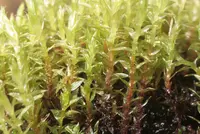
Fragment Propagation

To expand a colony, gently crumble a healthy clump into small fragments and press them evenly onto the new surface with a flat board or gloved hand so the rhizoids touch the substrate and establish quickly.

Controlled Water Source

Use collected rainwater or low-mineral filtered water in a fine mist sprayer, as hard tap water can leave salts on the moss cushions and slowly inhibit growth.

Seasonal Moisture Shifts

In outdoor culture, allow slightly longer drying intervals in cooler months and shorter intervals in warm, windy weather to mimic natural cycles and maintain dense, resilient mats when growing common green bryum moss.

Algae And Liverwort Control

If algae or liverworts start to overtake patches, lightly increase air movement and gently lift or scrape competing growth away with tweezers or a small spatula before it shades the moss permanently.

Common Pests and Diseases

Fungus gnats

These insects are small, dark flies whose larvae feed in constantly wet moss substrates, especially in indoor containers or terraria. Symptoms include tiny flies hovering over the moss surface and fine, threadlike larvae in the upper substrate layer.

Solution

Allow the substrate surface to dry slightly between mistings, improve air movement, and avoid stagnant water. For heavier infestations, use yellow sticky traps for adults and apply a biological control such as Bacillus thuringiensis israelensis (Bti) or predatory nematodes to reduce larvae while maintaining moist but not waterlogged conditions.

Algal overgrowth

This disease is caused by algae colonizing saturated, nutrient-rich surfaces, forming slimy green films that can smother the moss and block light. Symptoms include slippery, bright-green layers that cover and outcompete the moss cushions.

Solution

Reduce nutrient input, avoid fertilizer, and slightly decrease water levels or misting frequency so the moss remains moist but not submerged for long periods. Gently rinse or manually remove thick algal mats, increase light and airflow, and, in containers, refresh water and hardscape to limit algae spores and organic buildup when following common green bryum moss care instructions.

Mite damage

These pests are tiny arthropods that can graze on moss tissues in very dry or stressed patches. Symptoms include patchy browning, roughened surfaces, and slow recovery despite adequate water.

Solution

Increase ambient humidity and keep the moss evenly moist to discourage mites, while still providing airflow. If damage progresses, gently rinse the colony under soft water, physically remove heavily affected clumps, and, in enclosed displays, use a mild insecticidal soap or horticultural oil applied sparingly and then thoroughly rinsed off to avoid residue on the moss.

Interesting Facts

True wetland specialist

This moss is one of the most widespread bryophytes in minerotrophic fens and stream margins, thriving in cool, base-rich, and often calcium-influenced wet soils from lowlands up into subalpine zones.

Distinctive red setae

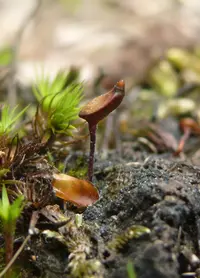
Its spore capsules are borne on striking reddish stalks (setae), which makes the species easy to recognize in the field compared with many other small, green wetland mosses.

Global cold-tolerant range

The species occurs on every continent except Antarctica but reaches especially high frequencies in boreal and subarctic regions, reflecting its strong adaptation to cold and seasonally flooded habitats.

Botan icon

Did you know?

This moss can rapidly colonize newly exposed wet mineral substrates, such as glacial forelands and drainage ditches, and is often among the first bryophytes to stabilize raw, saturated soil surfaces in these young, dynamic habitats.

FAQs about common green bryum moss

This species generally performs better outdoors, where natural humidity, rainfall, and airflow are higher. Indoors it can survive in terrariums or high-humidity setups, but conditions must be closely controlled to prevent drying or fungal problems.

Grow Healthy Plants with Botan Care

Keep your plants happy and healthy with plant identification, disease detection, and easy care guidance.

Botan plant care app — identify plants on mobile

Explore More Plants