


Use acidic substrate
Prepare a shallow tray with a 1–2 cm layer of finely sifted, low-nutrient, slightly acidic medium such as milled peat or well-rinsed, decomposed pine bark fines to mimic the plant’s natural woodland soil crust.

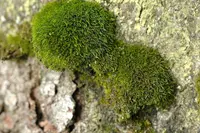
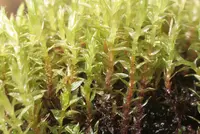
Dicranella heteromalla, often called dicranella moss, is a small, fine-textured moss that forms loose, bright green tufts or patches. It has slender, upright stems with narrow leaves that give it a soft, delicate look.
In nature, it commonly grows on acidic, disturbed soils, banks, paths, and exposed woodland edges across Europe and parts of North America. It tends to colonize bare or compacted ground quickly, which makes it useful in terrariums and naturalistic displays.
This moss prefers cool, moist, shaded conditions and low-nutrient substrates. Once established and kept evenly moist, it is relatively straightforward to care for dicranella moss in controlled indoor setups.

Care Difficulty
Moderate Care

Light Preference
Partial Shade

Water Requirements
Keep Soil Moist

Temperature Preference
Cold Hardy

Hardiness Zone
3–9

Soil Texture
Loamy, Silty, Organic-rich

Soil pH
Strongly acidic (4.5–5.5), Acidic (5.5–6.5)

Soil Drainage
Moist but well-drained

Fertilization
Minimal (feed rarely)
Scan your plant to receive care tips personalized for your specific plant
Available on iOS and Android
This moss prefers cool, soft light that mimics a shaded forest floor.
This species thrives in consistently moist, never stagnant conditions.
This moss is adapted to cool, temperate conditions with moderate seasonal shifts.
This moss prefers consistently moist air and surface conditions for stable growth.
This moss thrives on moist, finely textured, acidic substrates rather than standard potting soil.
This small moss is suitable for shallow, stable containers, especially trays and terrariums.
This moss is adapted to nutrient-poor habitats and usually needs no supplemental fertilizer under normal conditions.
Dicranella heteromalla needs almost no pruning, since clumps naturally self-renew and shed older tissue.
Transplanting is mainly useful when establishing Dicranella heteromalla in new terraria, bonsai scenes, or shaded rock gardens.
This species is usually propagated vegetatively by moving small mats rather than by spores in home settings.
This moss is generally cold hardy and requires minimal winter care in temperate outdoor conditions.

Plant Health Check
Not sure what's wrong with your plant? Check your plant's health inside the app.
This moss is strongly associated with acidic, nutrient-poor soils and often colonizes disturbed banks, paths, and woodland edges where mineral soil is exposed and leached.
Under a hand lens, its narrow leaves are characteristically curved or bent to one side, which helps distinguish it from many other small green carpet-forming mosses in the field.
It frequently appears as an early successional moss on bare or eroded ground in temperate forests, stabilizing the surface and trapping fine organic particles that help later plants establish.

In many European bryological surveys, this species is so widespread and habitat-flexible within acidic environments that it is used as a standard reference taxon when assessing local moss diversity and environmental change in woodland and heathland ecosystems.
This species performs best outdoors in cool, humid, shaded locations with stable moisture. Indoors it often declines due to dry air and inconsistent watering, so dicranella moss indoor care is usually more challenging and short term.
Keep your plants happy and healthy with plant identification, disease detection, and easy care guidance.

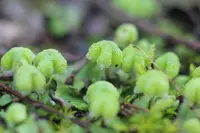
California asterella
Asterella californica
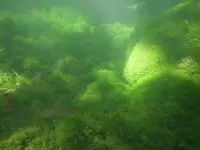
fissidens moss
Fissidens fontanus
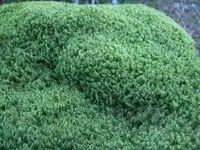
broom forkmoss
Dicranum scoparium
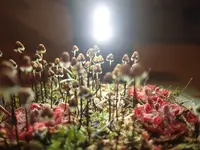
Asterella drummondii
Asterella drummondii
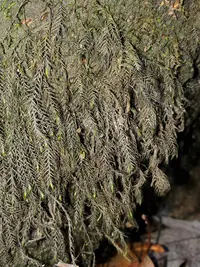
dichelyma moss
Dichelyma capillaceum
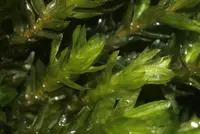
Smaller Lattice-moss
Cinclidotus fontinaloides
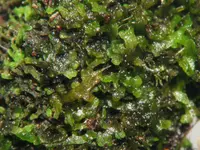
Jagged Germanderwort
Riccardia chamedryfolia
common green bryum moss
Bryum pseudotriquetrum