juniper polytrichum moss Care (Polytrichum juniperinum)

Also known as: juniper haircap moss, Juniper Haircap
juniper polytrichum moss

About juniper polytrichum moss

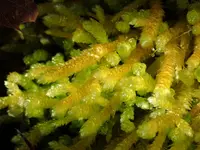
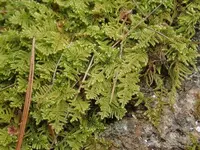
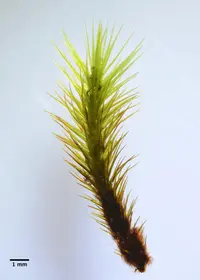
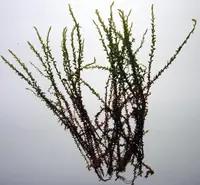
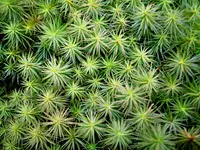
Juniper polytrichum moss is a common name often used for Polytrichum juniperinum, a hardy acrocarpous moss that forms dense, upright tufts. Its stems resemble tiny juniper shoots, with narrow, pointed leaves that give a fine, bristly texture.

This moss typically grows on acidic, well-drained soils, often on banks, rock outcrops, open woodlands, and disturbed ground across temperate regions. It tolerates sun, wind, and periodic dryness better than many mosses, which makes it relatively forgiving to grow.

Understanding how to care for juniper polytrichum moss starts with providing stable moisture, good air circulation, and a low-nutrient, slightly acidic substrate, without heavy shade or waterlogging.

Main Plant Requirements

Care Difficulty

Moderate Care

Light Preference

Partial Shade

Water Requirements

Keep Soil Moist

Temperature Preference

Cold Hardy

Hardiness Zone

2–9

Soil Texture

Sandy, Loamy, Rocky

Soil pH

Strongly acidic (4.5–5.5), Acidic (5.5–6.5)

Soil Drainage

Moist but well-drained

Fertilization

Minimal (feed rarely)

Get Personalized Care Plan

Scan your plant to receive care tips personalized for your specific plant

Available on iOS and Android

How to Care for the juniper polytrichum moss

This moss thrives in bright, cool conditions that avoid harsh, drying sun.

  • Provide 2–4 hours of gentle morning sun with bright dappled or filtered light the rest of the day, similar to open woodland edges.
  • Allow light partial shade, especially under shrubs or light tree canopy; dense, deep shade leads to thinning and weak, elongated shoots over time.
  • Protect juniper polytrichum moss from intense midday and afternoon sun, which can scorch tips and desiccate patches, especially during hot, dry summer periods.

Polytrichum juniperinum prefers consistently moist but not waterlogged conditions.

  • Aim for evenly damp substrate; allow only the top 0.5–1 cm to start drying before the next thorough wetting, then let excess water drain away.
  • Increase moisture during warm, windy, or low-humidity periods, misting lightly when leaves look dull, flattened, or feel dry and crispy to the touch.
  • Reduce watering in cool seasons, and avoid standing water or compacted, poorly drained soil, which encourages rot, algae growth, and loss of healthy green color.

This species is naturally cold hardy but grows best in cool, moderate temperatures.

  • Support active growth at about 50–70°F (10–21°C), which mimics conditions in many open heath and woodland habitats.
  • Tolerate winter lows down to at least 0°F (−18°C) under natural outdoor conditions, especially when buffered by snow cover or surrounding vegetation.
  • Limit exposure to extended heat above 85°F (29°C); provide shade and higher humidity in hot spells to prevent desiccation and browning of exposed cushions.

This moss prefers cool, consistently moist air and reacts quickly to drying out.

  • Aim for 60–80% humidity, using a tray with damp pebbles near the pot or terrarium when indoor air is dry.
  • It tolerates brief dips to 40–50% but juniper polytrichum moss becomes dull, brown-tipped, and brittle if kept too dry.
  • Increase humidity at substrate level by misting lightly around, not directly on, the shoots to avoid prolonged surface wetness.

Polytrichum juniperinum grows best in loose, acidic, sharply drained yet moisture-retentive substrates.

  • Use a mix of 50–70% fine sand with 30–50% acidic organic matter such as peat or fine pine bark to mimic its natural heathland soils.
  • Keep structure open and airy; avoid compacted or heavy clay that holds water around the rhizoids, which can promote rot.
  • Target a pH of about 4.5–6.0; avoid lime, ash, or other alkaline amendments that can stunt growth and favor algae.
  • For containers, place a coarse mineral layer (grit or small gravel) at the bottom to prevent waterlogging while allowing the surface to stay evenly moist.

This species adapts fairly well to shallow container culture if moisture and drainage are controlled carefully.

  • Choose a wide, shallow container so the colony can spread as a carpet while the thin substrate layer stays evenly moist.
  • Use unglazed terracotta only if you can water frequently, as it wicks moisture and can dry the moss faster at the edges.
  • Raise the container slightly on feet or spacers so drainage holes never sit in runoff, preventing stagnant water at the base.

This moss gains most nutrients from rainwater and substrate, so fertilizing juniper polytrichum moss should be minimal and very dilute.

  • Use a very weak balanced liquid fertilizer (around 1/8–1/4 strength) or highly diluted compost tea if growth looks pale or stunted.
  • Apply only during active growth in spring–summer, no more than every 6–8 weeks for container-grown patches.
  • Skip feeding in fall–winter, as low light and cooler temperatures reduce nutrient demand and increase risk of fertilizer burn.
  • Always water with plain, soft water between feedings to flush salts and keep the moss substrate mildly acidic.

Polytrichum juniperinum needs only light grooming rather than true pruning, mainly to keep cushions neat and healthy.

  • Trim browned, dead, or damaged shoots at the base using small scissors to maintain a tidy, even surface.
  • Remove overcrowded or smothering tufts to improve air flow and reduce trapped debris in dense moss carpets.
  • Carry out any shaping or thinning in spring or early summer when growth resumes and recovery is fastest.
  • Use gentle hand-picking of loose litter and avoid tearing live shoots, which can leave bare, slow-healing patches.

This moss is usually grown on stone, wood, or soil surfaces, so management focuses on gentle transplanting rather than frequent repotting.

  • Transplant when mats detach, dry out rapidly, or when container edges show bare, receding patches instead of active tips.
  • Best timing is in cool, moist weather in spring or early fall to reduce stress and maintain high humidity.
  • Lift thin mats with a spatula or hand, keeping as much attached substrate as possible to protect rhizoids and minimize damage.
  • Place onto a fresh, acidic, well-drained substrate, press gently for close contact, then mist often until new anchoring and growth appear.

Polytrichum juniperinum is typically propagated by vegetative division of existing mats rather than from spores in home settings.

  • In spring or early fall, cut healthy cushions into small sections, each with dense green shoots and underlying substrate attached.
  • Lay divisions on fresh, acidic, well-drained material such as sandy peat or fine grit with organic matter.
  • Press fragments firmly to ensure close contact, then mist frequently so surfaces stay moist but not waterlogged.
  • Provide bright, indirect light and high humidity; avoid strong sun and wind while new rhizoids form and growth thickens.

This moss is very cold hardy in the ground and usually needs no special winter care beyond stable moisture.

  • Outdoor cushions tolerate freezing and snow cover; they often desiccate and then rehydrate naturally in milder spells.
  • Container-grown patches benefit from shelter in an unheated garage or cold frame to limit repeated freeze–thaw cycles.
  • Keep the substrate barely moist, not saturated, during winter dormancy to prevent rot in low temperatures.

Care Tips

Use shallow substrates

Grow colonies on a shallow (2–4 cm) mineral substrate layer over rock, compacted sand, or gritty loam to encourage dense, upright shoots and simplify long-term moisture control.

Promote edge expansion

Periodically lift and move small outer clumps to bare, prepared patches so the fastest-growing colony edges can colonize new areas and maintain a youthful, vigorous carpet.

Control competing mosses

Inspect colonies every few months and manually tease out softer, mat-forming mosses and liverworts using tweezers before they shade the stiff shoots and alter the structure of the stand.

Manage leaf litter

During autumn or in tree-rich areas, use a soft brush, air blower on low, or gentle water stream to remove fallen leaves and needles so the moss tips stay exposed to light and air.

Plan for desiccation

In exposed trays or rock gardens, design microhabitats such as slight slopes, stone crevices, and raised ridges so different parts of the colony dry and rehydrate at varying rates, which stabilizes the population when caring for juniper polytrichum moss.

Common Pests and Diseases

Moss mites

These insects are tiny arachnids that feed on moss tissues, causing bleaching, thinning, and patchy dieback in cushions. This pest is more common in dry, stressed clumps grown in shallow containers or on dry substrates.

Solution

Reduce stress by keeping the moss evenly moist and cool, then gently rinse the cushions with a steady but soft stream of water to dislodge mites. If damage continues, isolate the affected patch and apply a light spray of insecticidal soap labeled for mites, avoiding direct application during full sun or high heat.

Sciarid fungus gnats

These insects lay eggs in persistently wet substrates, and their larvae feed in the upper layer around rhizoids and organic debris, sometimes disturbing newly establishing moss patches. Symptoms include tiny black flies hovering near the substrate and a soft, overly wet surface.

Solution

Allow the substrate surface to drain slightly between waterings while keeping the moss itself just moist, and improve air movement around the container. Yellow sticky traps help reduce adult numbers, and a biological control such as Bacillus thuringiensis israelensis (Bti) can be used in the water to reduce larvae if needed.

Algal overgrowth

This disease-like condition occurs when green algae colonize the surface of the moss under very wet, stagnant, and nutrient-rich conditions. Symptoms include slimy, bright-green films that smother the leaves and reduce photosynthesis.

Solution

Lower watering frequency slightly, increase airflow, and provide brighter but indirect light to dry the surface more quickly. If needed, gently rinse the moss surface with clean water to remove some algal film and avoid using fertilizer or nutrient-rich water in the future, which is important for proper Polytrichum juniperinum care.

Grey mold (Botrytis)

This disease develops in cool, humid, poorly ventilated conditions and causes localized gray, fuzzy growth on dead or weakened moss tissues. Symptoms include soft, decaying patches that spread across dense cushions, especially in closed terrariums.

Solution

Improve ventilation by opening lids or vents, remove and discard all visibly affected moss portions, and reduce overcrowding so cushions dry more evenly after misting. Water early in the day so surfaces dry faster and avoid keeping condensation continuously on the moss surface.

Desiccation scorch

This physiological disorder occurs when cushions are exposed to strong sun, hot air, or prolonged drying, leading to brown, brittle tips and loss of the characteristic upright structure. Symptoms include patchy tan or rust-colored areas that do not recover after rewetting.

Solution

Move the moss to a cooler, shaded or lightly dappled light location and maintain a stable moisture level with frequent light misting instead of occasional heavy soaking. Trim away severely dried, dead portions to encourage new growth from healthier, lower parts of the clump, and avoid placing the plant near heaters, vents, or reflective glass that amplifies heat.

Interesting Facts

Sun-loving haircap moss

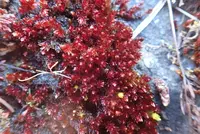
This species often forms reddish to copper-green tufts on open, sunny, dry sites such as sandy banks, mine spoil, and road cuts, unlike many mosses that prefer shaded, moist woods.

Specialized leaf structure

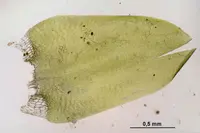
Its leaves have parallel vertical lamellae, or tiny ridges, on the upper surface that increase photosynthetic area and help reduce water loss, an adaptation to exposed, drought-prone habitats.

Pioneer on poor soils

It is an early colonizer of nutrient-poor, disturbed, or burned ground, where its dense mats trap dust and organic particles, helping to build the first thin layer of developing soil.

Botan icon

Did you know?

When this moss dries, its leaves twist tightly around the stem to protect the photosynthetic tissue, then rapidly spread out again after rewetting, allowing it to survive repeated cycles of desiccation in exposed habitats.

FAQs about juniper polytrichum moss

Growth is slow to moderate. In suitable conditions it usually extends 1–3 cm per year, forming denser cushions over several seasons. Disturbance, compaction, or prolonged dryness reduce growth, while consistent moisture and cool temperatures support growing juniper polytrichum moss.

Grow Healthy Plants with Botan Care

Keep your plants happy and healthy with plant identification, disease detection, and easy care guidance.

Botan plant care app — identify plants on mobile

Explore More Plants