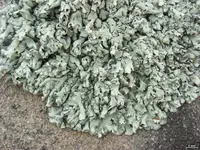
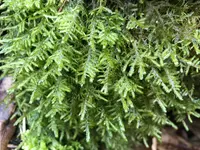
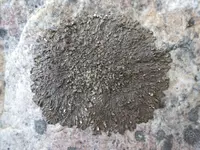
glossy red bryum moss Care (Bryum miniatum)

About glossy red bryum moss

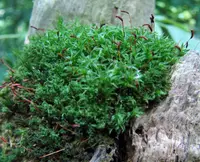
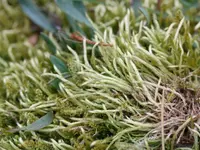
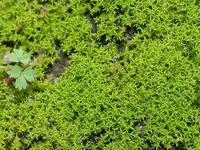
Glossy red bryum moss (Bryum miniatum) is a small, compact moss that forms dense, cushion-like clumps with bright green shoots and often reddish stems or tips. It is a non-vascular plant, meaning it lacks true roots and instead anchors with fine rhizoids.

In nature it grows on moist soil, rock, and disturbed ground in temperate regions, often in open, lightly shaded places. Its tolerance of disturbance and ability to colonize bare substrates make it relatively easy to establish in suitable conditions.

This moss prefers consistent moisture, clean water, and stable humidity, so learning how to care for glossy red bryum moss mainly involves keeping it evenly damp without smothering it.

Main Plant Requirements

Care Difficulty

Moderate Care

Light Preference

Partial Shade

Water Requirements

Keep Soil Moist

Temperature Preference

Cool Climate

Hardiness Zone

Unknown

Soil Texture

Loamy, Silty, Organic-rich

Soil pH

Acidic (5.5–6.5), Slightly acidic (6.5–7.0)

Soil Drainage

Moist but well-drained

Fertilization

Minimal (feed rarely)

Get Personalized Care Plan

Scan your plant to receive care tips personalized for your specific plant

Available on iOS and Android

How to Care for the glossy red bryum moss

This moss prefers cool, consistently moist, low to medium light conditions similar to a shaded forest floor.

  • Provide bright shade or dappled light with 1–3 hours of gentle morning sun; avoid direct midday and afternoon sun that can scorch cushions.
  • Place glossy red bryum moss where it receives filtered light under shrubs, rocks, or trees, mimicking natural woodland or stream-bank habitats.
  • In summer, protect from intense sun with additional shade, while in winter more open light is acceptable as long as the substrate stays moist and does not dry out.

This moss requires constant surface moisture but is sensitive to both drying out and stagnant water.

  • Keep the substrate evenly moist, never fully dry; rewet when the surface feels just damp, using gentle watering or misting to avoid disturbance.
  • Ensure the site drains freely so water does not pool for more than a few hours, which can cause browning, algae growth, or decay in Bryum miniatum.
  • In hot or windy weather, increase misting frequency, while in cool, shaded seasons reduce watering slightly but prevent the top layer from becoming powder-dry.

This moss thrives in cool to mild conditions with moderate seasonal variation.

  • Aim for 50–70°F (10–21°C) for best growth; sustained temperatures above 80°F (27°C) can cause stress and desiccation if humidity and moisture are low.
  • It tolerates brief drops to around 25°F (-4°C) when established, but repeated hard freezes without insulating snow or leaf litter can damage exposed cushions.
  • In hot summers, provide extra shade and moisture to offset heat, while in cooler seasons it can stay outdoors as long as extreme frost and drying winds are limited.

This moss prefers consistently moist, high-humidity conditions to stay active and brightly colored.

  • Aim for 70–90% humidity; in drier homes, place the container on a shallow pebble tray with water below the moss level.
  • It tolerates brief dips to 50–60% humidity but will dry and brown at the tips if air stays too dry.
  • Signs of humidity stress include dull, crispy tufts that shrink tightly; restore moisture by misting lightly and enclosing glossy red bryum moss in a vented terrarium.

Bryum miniatum grows best on moist, fine-textured, organic substrates rather than standard potting mixes.

  • Use a shallow layer of milled sphagnum, fine coco fiber, or sifted leaf mold over sand or fine gravel for structure.
  • Keep the substrate evenly moist but never waterlogged; excess standing water smothers the moss and encourages rot.
  • A slightly acidic pH around 5.0–6.0 supports dense growth, similar to many woodland and rock-face moss habitats.
  • Improve aeration and drainage by using a thin substrate depth and rough, uneven surfaces so water can drain off while the surface film stays damp.

This species is well suited to shallow container culture and terrarium setups.

  • Choose wide, shallow trays so the colony can spread horizontally while staying close to the moisture source.
  • Use a rigid container that does not flex, so the delicate moss carpet is not disturbed when moved or handled.
  • If using glass or plastic, partially cover the top to slow evaporation but leave small gaps to prevent stagnant, anaerobic air.

Bryum miniatum needs very little feeding, especially when grown on natural substrates like stone or bark.

  • Use a highly diluted balanced liquid fertilizer (around 1/8–1/4 strength) only during active growth in spring–summer, if color or vigor declines.
  • Apply no more than once every 6–8 weeks to avoid salt buildup that can burn delicate moss tissues.
  • Rinse the colony gently with rainwater or distilled water a day after feeding to flush excess nutrients.
  • Avoid granular or slow-release fertilizers directly on glossy red bryum moss, as pellets can scorch and smother the cushions.

Bryum miniatum benefits from light grooming rather than true pruning.

  • Trim overgrown or uneven patches in early spring using fine scissors to maintain a low, even cushion.
  • Remove dead, browned, or contaminated tufts to reduce mold risk and encourage fresh, dense growth.
  • Thin out crowded, matted areas by lifting and pinching small sections to improve air circulation and light penetration.
  • Use clean, sharp tools and avoid crushing the moss to limit mechanical damage and disease entry.

Bryum miniatum is usually transplanted as mats or plugs rather than repotted like a typical houseplant.

  • Transplant when growth looks thin, patchy, or when mats detach easily from the substrate, usually in cool, moist spring or fall weather.
  • Aim to shift or divide colonies only every few years, as frequent disturbance slows establishment.
  • Gently lift sections with a thin spatula, keeping as much substrate attached as possible to reduce root and rhizoid stress.
  • Lay moss firmly onto a clean, rough, moist surface, press lightly for contact, and keep evenly damp for several weeks until reanchored.

Bryum miniatum is most often propagated by division of existing cushions rather than from spores in home settings.

  • Divide healthy, dense mats into small plugs in early spring or during a cool, humid period.
  • Place divisions onto a clean, rough substrate such as stone, compacted soil, or bark for good anchoring.
  • Maintain constant surface moisture with soft water, bright indirect light, and good air flow to prevent algae growth.
  • Avoid burying the moss; instead press it onto the surface so leaves remain exposed while rhizoids contact the substrate.

Bryum miniatum is cold hardy and normally needs minimal winter care in temperate climates.

  • In-ground colonies tolerate frost and light freeze–thaw cycles without added mulching in most regions.
  • For shallow containers, move trays to a sheltered, unheated spot to limit drying winds and extreme temperature swings.
  • Keep the substrate slightly moist but not waterlogged, as standing water plus freezing can lift and damage moss cushions.

Care Tips

Substrate Preparation

Before planting, roughen compact rock or wood surfaces with a wire brush so the rhizoids can grip, then dust on a thin layer of clean, finely crushed sandstone or granite grit to improve anchoring and drainage for the colony.

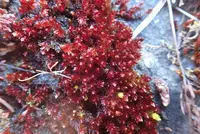
Fragment Propagation

To expand a patch, gently crumble a small amount of healthy, moist moss into 2–5 mm fragments and press them onto new prepared surfaces, then mist lightly so the fragments make close contact without being washed away.

Moisture Retention Layer

In shallow trays or outdoor crevices, place a thin underlayer of long-fiber sphagnum or rockwool beneath the moss to hold moisture while keeping the actual growing surface free-draining and not waterlogged.

Seasonal Dormancy Support

During naturally dry or hot periods, allow the moss to dry and enter dormancy but protect it from direct, intense midday sun and abrasive wind, which can increase tissue damage and reduce recovery when moisture returns.

Clean Air Management

Site colonies away from soil dust, road spray, and fertilizers, and if growing glossy red bryum moss indoors or under cover, rinse gently with low-pressure, soft water every few weeks to remove settled particles that block light and gas exchange.

Common Pests and Diseases

Fungal mold growth

This disease appears as white, gray, or dark fuzzy patches on moss cushions, especially in stagnant, overly wet conditions. Symptoms include matted, discolored patches that lose their fine texture and may start to smell musty.

Solution

Reduce watering frequency, increase airflow, and gently thin overly dense cushions to dry the surface faster; remove heavily affected tufts. For persistent issues, apply a very dilute sulfur or copper-based fungicide as a spot treatment and avoid future waterlogged conditions.

Algal overgrowth

This disease presents as slimy green films or crusts covering the moss surface, often where water sits and light is strong. Symptoms include suffocated, yellowing cushions and a slippery feel on rocks or substrate.

Solution

Improve drainage and air circulation, shorten irrigation duration, and reduce direct high-intensity light that keeps surfaces wet. Carefully rinse or brush off algal films and, if needed, briefly shade or elevate the moss to allow it to dry slightly between waterings while still staying evenly moist.

Slugs and snails

These pests feed on tender moss shoots, leaving ragged, scraped patches and small bare areas on cushions, especially in cool, damp locations. Symptoms include slime trails on rocks, containers, or nearby hardscape.

Solution

Hand-pick slugs and snails at night or early morning, and reduce hiding places such as dense debris and overturned pots. Use iron phosphate slug bait around but not directly on the moss and, if growing glossy red bryum moss in a container, consider a copper barrier strip on pot rims.

Springtails

These insects are tiny, white to gray jumping arthropods that appear in very moist moss cultures. This pest usually feeds on decaying organic matter but can stress moss when populations are extremely high, leading to a dull, uneven surface.

Solution

Allow the substrate to dry slightly between misting sessions while keeping the moss from fully drying out. Improve ventilation, rinse the moss gently with clean water to flush excess springtails, and reduce excess organic debris that supports large populations.

Mite damage

These insects are microscopic arachnids that can graze on moss tissues, causing fine, patchy browning or a roughened, sand-blasted look on cushions. Symptoms include slow thinning of the moss without obvious chewing marks from larger pests.

Solution

Increase humidity balance and airflow, then rinse the moss surface under a gentle stream of water to dislodge mites. If damage continues, apply a targeted, moss-safe miticide at low concentration and avoid using broad-spectrum insecticides that can disrupt beneficial microfauna.

Interesting Facts

Compact arthrodontous capsules

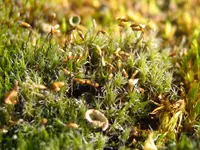
This species produces small, cylindrical capsules with an arthrodontous peristome, meaning the capsule teeth are jointed and move in response to humidity changes, helping control spore release in variable microclimates on rock and soil surfaces.

Preference for open substrates

Bryum miniatum is frequently found on disturbed, open mineral soils, paths, and compacted ground, where its low, tufted growth can quickly colonize exposed patches before taller plants establish.

Orange to reddish coloration

Mature plants often show orange to reddish tints in the stems and older leaves, a coloration linked to protective pigments that help shield tissues from strong light and occasional drying.

FAQs about glossy red bryum moss

This species generally performs better outdoors in cool, humid, shaded sites with stable moisture. Indoors it is harder to keep humidity and airflow balanced, so growth is slower and more prone to drying or fungal issues.

Grow Healthy Plants with Botan Care

Keep your plants happy and healthy with plant identification, disease detection, and easy care guidance.

Botan plant care app — identify plants on mobile

Explore More Plants