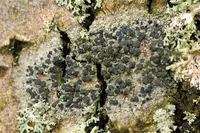
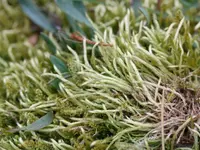
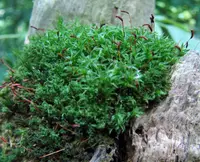
aulacomnium moss Care (Aulacomnium androgynum)

Also known as: Bud-headed Groove-moss, drumsticks, lover's moss
aulacomnium moss

About aulacomnium moss

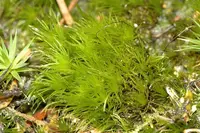
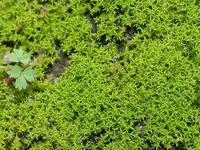
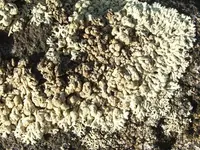
Aulacomnium androgynum is a small, cushion-forming moss that produces dense, soft mats of green foliage. It often shows tiny clustered structures on stalks that give it a distinctive texture.

This moss naturally occurs in cool, moist regions of the Northern Hemisphere, typically on rotting wood, soil, or rock in forests and shaded slopes. It is relatively undemanding but needs stable moisture and protection from harsh sun to stay healthy.

Because it has no true roots and absorbs water and nutrients across its surface, it responds quickly to drying out or pollution. Gardeners who want to care for aulacomnium moss should provide consistent humidity, gentle light, and a clean, low-nutrient substrate.

Main Plant Requirements

Care Difficulty

Moderate Care

Light Preference

Partial Shade

Water Requirements

Keep Soil Moist

Temperature Preference

Cold Hardy

Hardiness Zone

3–8

Soil Texture

Loamy, Peaty, Organic-rich

Soil pH

Strongly acidic (4.5–5.5), Acidic (5.5–6.5)

Soil Drainage

Moist but well-drained

Fertilization

Minimal (feed rarely)

Get Personalized Care Plan

Scan your plant to receive care tips personalized for your specific plant

Available on iOS and Android

How to Care for the aulacomnium moss

This moss prefers cool, humid sites with soft, indirect light rather than strong direct sun.

  • Provide bright shade or dappled light, such as under shrubs or open tree canopies, with 2–4 hours of gentle morning sun if humidity stays high.
  • Avoid strong midday and afternoon sun, which can bleach and dry aulacomnium moss; leaf tips turning pale or crisp indicate too much light.
  • In summer, increase shade or use filtered light; in winter, slightly more open exposure is acceptable as the sun is weaker and air is cooler.

Consistently moist conditions are essential, but standing water quickly damages this moss.

  • Keep the substrate evenly damp; the surface should feel moist but not soggy, and water again when it starts to feel just barely less wet to the touch.
  • Use soft, low‑mineral water where possible and ensure excess water can drain or run off so stems do not sit submerged for long periods.
  • In hot, drying weather, mist or gently water once the surface begins to lighten in color; yellowing, mushy patches suggest chronic overwatering or stagnation.

This species is adapted to cool, moist climates and tolerates a fairly wide temperature range.

  • Aim for 45–65°F (7–18°C) for best growth, with steady moisture and high humidity to prevent desiccation during mild days.
  • Short dips to around 20–25°F (-6 to -4°C) are usually tolerated if the moss is well hydrated, but repeated freeze–thaw can damage exposed cushions.
  • Heat above 80°F (27°C) increases stress; provide deep shade, extra humidity, and consistent moisture during hot spells to limit drying and dieback.

This moss prefers cool, consistently moist air and reacts quickly to dry conditions.

  • Aim for 60–90% humidity; below 40% the cushions dry and lose their fresh green color.
  • Crisping tips, dull color, and slow recovery after misting indicate humidity stress.
  • Use a covered terrarium, humidity tray, or frequent fine misting to keep aulacomnium moss evenly hydrated without waterlogging.

This species favors consistently moist, soft, organic-rich substrates rather than dense mineral soils.

  • Use a loose mix of milled sphagnum, fine bark, and leaf mould over a compact but not waterlogged base layer.
  • Ensure the substrate holds moisture yet still feels springy and airy, mimicking damp forest floor or rotting wood.
  • Keep pH slightly acidic to neutral, around 5.0–7.0, avoiding limed or strongly alkaline substrates that slow growth.
  • Avoid compacted garden soil or sand-heavy mixes that either suffocate rhizoids or dry out in patches.

This moss is suitable for shallow containers, trays, and terrariums where moisture can be kept stable.

  • Choose wide, shallow containers that allow horizontal spreading and prevent deep pockets of stagnant water.
  • Line the bottom with a thin inert layer such as fine gravel to prevent the moss mat from sitting directly in collected water.
  • Use ceramic or glass containers for slower moisture loss, especially in heated rooms, to reduce how often misting is needed.

This moss is adapted to low-nutrient habitats and usually needs no additional fertilizer in naturalistic setups.

  • If growth is very pale or stalled in a sterile substrate, use a highly diluted balanced liquid fertilizer (around 1/8–1/4 strength, such as 10-10-10).
  • Apply only during active growth in spring–summer and no more than every 6–8 weeks.
  • Skip feeding in winter or when growth is dormant to avoid salt buildup and tissue burn.
  • For caring for aulacomnium moss in terraria, rely mainly on clean, soft water and moderate light rather than frequent fertilization.

Aulacomnium androgynum benefits from light, selective trimming to maintain an even, healthy carpet.

  • Trim in spring or early summer when growth is active, so patches recover quickly.
  • Pinch or cut away dead, browned, or damaged tufts to reduce disease risk and improve appearance.
  • Thin crowded, overly thick cushions with fine scissors to improve air flow and prevent rot.
  • Use sharp, clean scissors or small snips and avoid pulling to prevent lifting the moss mat from its substrate.

This species is usually grown as a ground or substrate cover, so focus on gentle transplanting rather than frequent repotting.

  • Transplant when patches detach, when substrate decomposes, or when growth becomes sparse and uneven.
  • Best timing is in cool, moist conditions of spring or early autumn to limit moisture stress.
  • Typical intervals are 2–3 years, or whenever the existing substrate is compacted or contaminated with algae or weeds.
  • Lift mats carefully with a thin tool, press onto fresh, moist, acidic substrate, and keep humidity high and light gentle for 1–2 weeks to reduce transplant shock.

Aulacomnium androgynum is commonly multiplied by vegetative division rather than by spores in home culture.

  • Divide healthy cushions in spring or early autumn, when moisture is reliable and temperatures are mild.
  • Tear or cut mats into small plugs, each with green shoots and some attached rhizoids (anchoring filaments).
  • Press pieces firmly onto a moist, acidic substrate and mist to ensure full contact without waterlogging.
  • Provide bright, indirect light, high humidity, and good air movement until new growth knits the pieces into a continuous carpet.

This moss is cold hardy in most temperate climates and normally needs minimal winter care outdoors.

  • In-ground patches tolerate freezing and snow cover without added insulation in typical temperate gardens.
  • For shallow containers, keep substrate just moist, not saturated, to prevent freeze–thaw heaving.
  • If grown in small trays or terraria, move to a cold, frost-free area and maintain low, indirect light with good ventilation.

Care Tips

Use stable substrates

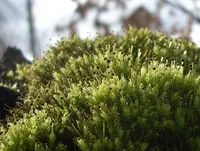
Anchor the moss on rough, stable materials such as lava rock, aged bark, or unglazed clay so the rhizoids can grip firmly and form a dense, even mat over time.

Encourage patch division

When a colony is well established, gently break and re-space small tufts 1–2 cm apart on new substrate to create a quicker, more uniform spread without stressing the plant.

Manage competing algae

If green film or algae appears on the surface, briefly increase air movement and lightly rinse the colony with clean, low-mineral water to reduce competition without scrubbing the delicate shoots.

Control sporophyte buildup

In very dense cushions, carefully trim or pinch off older, spent sporophytes to maintain a compact texture and reduce shading of the younger gametophyte shoots.

Seasonal moisture adjustment

Outdoors, allow slightly longer surface drying periods in cooler, low-light months and shorten them during bright, breezy periods to keep the colony stable while growing aulacomnium moss in variable weather.

Common Pests and Diseases

Fungal leaf spotting

This disease produces small dark or translucent spots on moss shoots and leaves, often under persistently wet, stagnant air conditions. Symptoms include thinning patches and discolored cushions, especially in dense indoor culture or terraria.

Solution

Reduce constant surface wetness by allowing the moss surface to dry slightly between misting, and increase airflow around the colony. Remove affected clumps with clean tweezers and, if needed, use a dilute sulfur- or copper-based fungicide labeled safe for mosses, testing first on a small area.

Algal overgrowth

This disease appears as a slimy green film covering the moss surface when light and nutrient levels are high and water sits on the substrate for long periods. Symptoms include smothered, yellowing moss and poor new growth.

Solution

Cut back on fertilization, improve drainage, and provide gentle air movement so water does not stand on the surface. Manually lift or rinse off algal mats, then adjust light intensity and watering frequency to favor the moss over the algae, which is a key step in Aulacomnium androgynum care instructions.

Springtail overpopulation

These insects are tiny white or gray jumping arthropods that thrive in constantly moist substrates and can disturb delicate new moss growth when their numbers become very high. This pest usually feeds on decaying organic matter but may damage tender tips indirectly by constant movement and grazing on biofilms.

Solution

Allow the surface to become slightly less saturated between waterings and remove excess decomposing debris or old leaves around the moss. For heavy infestations, temporarily relocate the moss to a better-ventilated container and use yellow sticky traps nearby; targeted biological controls like predatory mites can also help restore balance without harming the moss.

Slugs and snails

These pests feed on soft moss tissue in outdoor or greenhouse culture, leaving irregularly grazed patches and slime trails on and around colonies. Symptoms include suddenly thinned cushions and exposed substrate in moist, shaded areas.

Solution

Hand-pick slugs and snails at dusk or early morning, and reduce hiding spots such as boards, dense debris, and overturned pots. Physical barriers like copper tape around trays and carefully placed iron phosphate pellets can reduce populations without contaminating the moss bed.

Interesting Facts

Unique gemmae clusters

This moss produces distinctive stalked clusters of tiny vegetative bodies called gemmae on the tips of its shoots, which allow it to spread without forming typical leafy sporophyte capsules.

Fragment-based reproduction

Its gemmae detach easily and are dispersed short distances by rain splash and small animals, enabling rapid colonization of nearby patches of moist, disturbed forest soil and decaying wood.

Preference for cool forests

In nature this species is most often found in cool, humid, shaded forests of the Northern Hemisphere, where it occupies rotting logs, stumps, and humus-rich soil rather than exposed rock.

Botan icon

Did you know?

The species is often used as a model in field studies of vegetative reproduction in mosses, because its conspicuous gemmae heads and relatively rare sporophytes clearly illustrate how some bryophytes rely more on clonal spread than on sexual spore production.

FAQs about aulacomnium moss

This species spreads slowly to moderately by creeping stems and fragmentation. It usually forms low, patchy carpets rather than thick, fast-moving mats. In gardens and terrariums it is generally easy to contain with simple edging or occasional trimming.

Grow Healthy Plants with Botan Care

Keep your plants happy and healthy with plant identification, disease detection, and easy care guidance.

Botan plant care app — identify plants on mobile

Explore More Plants