Water Quality Management
Use rainwater, distilled, or reverse-osmosis water when possible, since this species is sensitive to mineral build-up and hard tap water can gradually weaken the moss and cause patchy dieback.

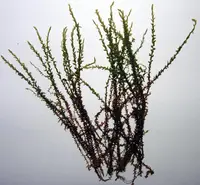
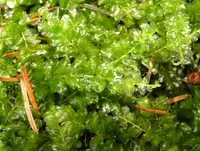
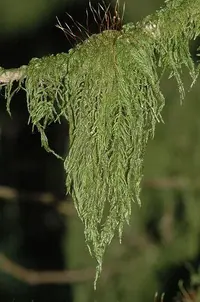
Calliergon moss (Calliergon cordifolium) is a semi-aquatic moss that forms loose, soft mats with bright green, feathery shoots. It often grows in wetlands, peat bogs, pond margins, and other consistently damp, cool habitats in temperate regions.
The stems usually creep or float, with leaves that curve slightly, giving the plant a relaxed, flowing texture. Its strong preference for steady moisture and clean water is the main factor that affects how easy it is to grow.
Gardeners who want to care for calliergon moss should focus on recreating a damp, shaded environment with low competition from taller plants and minimal disturbance to the substrate.

Care Difficulty
Moderate Care

Light Preference
Partial Shade

Water Requirements
Aquatic

Temperature Preference
Cool Climate

Hardiness Zone
3–8

Soil Texture
Silty, Peaty, Organic-rich

Soil pH
Acidic (5.5–6.5), Slightly acidic (6.5–7.0)

Soil Drainage
Waterlogged tolerant

Fertilization
Minimal (feed rarely)
Scan your plant to receive care tips personalized for your specific plant
Available on iOS and Android
This moss prefers cool, consistently moist sites with soft, indirect light rather than strong direct sun.
This species is adapted to saturated, boggy conditions and performs best when the substrate stays consistently moist or wet.
This moss is cold hardy and prefers cool to mild temperatures with protection from intense heat and rapid freeze–thaw cycles.
This moss needs consistently high humidity to maintain lush, hydrated growth.
This species prefers permanently moist, soft, organic-rich substrates that mimic shallow bog or marsh conditions.
This moss can adapt to container culture when moisture and stability are carefully managed.
This wetland moss has low nutrient needs and usually grows well without added fertilizer in naturalistic settings.
Calliergon cordifolium benefits from light grooming rather than true structural pruning.
This moss is more often transplanted as mats or clumps than repotted in the usual sense.
Calliergon cordifolium is commonly propagated by division of existing mats rather than spores for practical use.
This moss is cold hardy and usually needs minimal winter care in temperate climates.

Plant Health Check
Not sure what's wrong with your plant? Check your plant's health inside the app.
The leaves of this moss have a distinctly heart‑shaped base, which is the feature behind the species name cordifolium, meaning heart‑leaved.
This species commonly forms loose, bright green carpets in fens, marshes, and along slow streams, and is often used by bryologists as an indicator of constantly waterlogged, nutrient‑rich soils.
It occurs across boreal and temperate regions of the Northern Hemisphere and remains physiologically active at low temperatures, helping stabilize peat and organic sediments in cold wetlands.

This moss frequently grows intermixed with other peat‑forming species in rich fens, where its dense mats slow water movement and help create microhabitats that support specialized wetland plants and invertebrates, subtly shaping the structure of entire fen ecosystems.
Yellowing usually comes from prolonged drying, excess direct sun, or nutrient-poor, stagnant water. Check that the substrate stays consistently moist, light is indirect, and water is low in pollutants. Trim damaged patches to encourage fresh regrowth.
Keep your plants happy and healthy with plant identification, disease detection, and easy care guidance.