Two-horned Pincerwort Care (Cephalozia bicuspidata)

Two-horned Pincerwort

About Two-horned Pincerwort

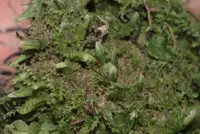
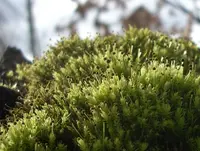
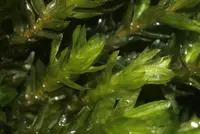
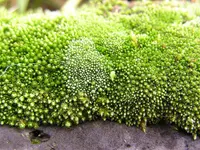
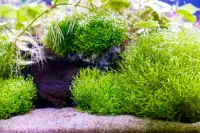
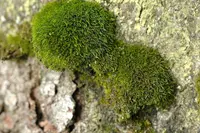
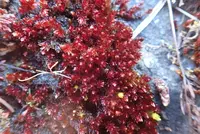
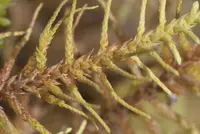
Two-horned pincerwort (Cephalozia bicuspidata) is a small leafy liverwort, a simple non-vascular plant often forming soft, thin mats on damp surfaces. It has delicate, flattened shoots with tiny paired leaflike lobes that give it a finely textured, almost moss-like look.

In nature it typically grows on rotting wood, peaty soil, and moist rock in cool, humid forests across North America and Europe. It favors shaded, consistently moist, acidic environments and does not tolerate drying out.

Because of its small size and moisture needs, it can be challenging to keep healthy indoors. Anyone wanting to learn how to care for Two-horned Pincerwort should be prepared to provide stable humidity and gentle, indirect light.


Main Plant Requirements

Care Difficulty

Hard Care

Light Preference

Shade

Water Requirements

Keep Soil Moist

Temperature Preference

Cold Hardy

Hardiness Zone

3–8

Soil Texture

Peaty, Organic-rich, Loamy

Soil pH

Strongly acidic (4.5–5.5), Acidic (5.5–6.5)

Soil Drainage

Waterlogged tolerant

Fertilization

Minimal (feed rarely)

Get Personalized Care Plan

Scan your plant to receive care tips personalized for your specific plant

Available on iOS and Android

How to Care for the Two-horned Pincerwort

This small liverwort thrives in cool, low to moderate light that mimics damp forest floors.

  • Provide bright shade or dappled light, such as under shrubs or trees, with 1–3 hours of gentle morning sun and no harsh midday or afternoon sun.
  • Tolerates deep shade but grows denser with filtered light; excessive direct sun dries and bleaches Two-horned Pincerwort, especially in summer.
  • In hot seasons, increase shade or use leaf litter/rocks for protection; in cooler months, allow a little more indirect light without exposing it to direct sun.

This species prefers constantly moist conditions and reacts quickly to both drying and stagnation.

  • Keep the substrate evenly damp; the surface should feel moist but not soupy, and never allow it to dry out completely between waterings.
  • Use loose, well-draining, organic-rich material over rock or soil so water can pass through; standing water or foul smell indicates overwatering and risk of rot.
  • In warmer or windy weather, check moisture daily; curling, crisping fronds suggest underwatering, while limp, darkened tissue points to excess water for Cephalozia bicuspidata.

This liverwort favors cool, mild conditions and declines in sustained heat or hard frost.

  • Optimal growth occurs around 45–65°F (7–18°C), typical of shaded stream banks and forest floors in cool climates.
  • It tolerates brief dips near 32°F (0°C) under snow or leaf cover, but repeated freeze–thaw cycles without insulation can damage delicate tissues.
  • Above about 75°F (24°C), growth slows; in hot spells, combine deep shade with high humidity and cool, moist substrates to reduce heat stress.

This tiny liverwort needs consistently humid air to thrive in cultivation.

  • Aim for 70–95% humidity, similar to a constantly damp forest floor or stream bank.
  • In dry indoor air it quickly desiccates; fronds curl, pale, and become brittle at the tips.
  • Increase humidity with enclosed terrariums, covered trays with moist sphagnum, or placement near gentle misting systems away from direct airflow.

Cephalozia bicuspidata grows best on very moist, fine-textured, organic-rich substrates rather than standard potting mixes.

  • Use a mix of milled sphagnum, peat, and fine bark or leaf mold to mimic decaying wood or mossy soil surfaces.
  • Keep the substrate constantly moist but never waterlogged, using a shallow layer over a stable base that drains slowly.
  • Maintain slightly acidic conditions, around pH 5.0–6.0, which favors healthy rhizoid anchoring and nutrient uptake.
  • Avoid coarse sand, heavy clay, and fertilizer-enriched mixes that dry unevenly or accumulate salts and cause tissue burn.

This species is suitable for container culture only in stable, high-humidity setups such as closed terrariums or dish gardens.

  • Use wide, shallow containers so the thin mats can spread horizontally without deep, stagnant water pockets forming.
  • Select glass or plastic that limits evaporation, then regulate moisture with small ventilation gaps rather than frequent open-air drying.
  • Provide a slightly sloped substrate surface so excess water drains to one edge, preventing the entire mat from staying anaerobic after watering.

Cephalozia bicuspidata is adapted to very low-nutrient habitats and usually needs no added fertilizer in cultivation.

Cephalozia bicuspidata benefits from only minimal pruning to keep mats healthy and free of decay.

  • Trim away brown, decaying, or moldy patches at any time of year to maintain air flow across the mat.
  • Use fine scissors or tweezers and make shallow surface cuts, avoiding disturbance of the underlying substrate.
  • Light thinning of very dense areas can reduce moisture buildup and help prevent fungal issues.
  • Removing weak, shaded growth can slightly encourage fresh, compact new shoots at the margins.

This liverwort is rarely repotted; management usually involves gentle transplanting of mat fragments rather than full root disturbance.

  • Consider moving a colony only when growth stalls, mats detach from the substrate, or the container conditions become unstable.
  • Transplant during mild weather in spring or early fall to avoid heat or freeze stress.
  • Lift thin mat sections with a spatula, keeping attached substrate intact to reduce shock.
  • Set fragments onto fresh, moist, acid, low-nutrient medium and keep humidity high but light levels moderate until reanchored.

Cephalozia bicuspidata is commonly propagated by vegetative division of its carpets rather than by spores in home culture.

  • In spring or early fall, separate small living patches from a vigorous, pest-free colony.
  • Place fragments onto a consistently moist, sterile, acidic substrate with good air circulation.
  • Maintain cool to mild temperatures and low to medium light to prevent desiccation during establishment.
  • Avoid covering fragments with heavy material; gentle misting and high ambient humidity support new growth.

In temperate climates, this hardy liverwort usually needs minimal winter care when grown outdoors in shaded, moist microhabitats.

  • Tolerates light to moderate frosts if the substrate stays moist and does not freeze solid for long periods.
  • For containers, move into a cold, frost-free but bright shelter during extended freezes below about 20°F.
  • Avoid drying winds and intense winter sun, which can desiccate exposed mats even in cold weather.

Care Tips

Substrate shading

Place a layer of fine mesh or loosely woven shade cloth just above the colony to reduce light and evaporation at the substrate surface without blocking air movement, which helps maintain a stable boundary layer for this delicate liverwort.

Gentle mist airflow

Use a small fan set on the lowest setting to move air across, not directly at, the patch after misting, which reduces prolonged surface wetness and helps prevent fungal growth while keeping humidity high.

Fragment propagation

To expand a colony, gently transfer small fragments using soft forceps onto nearby moist substrate, then cover with a clear vented dome or plastic box for 1–2 weeks to prevent desiccation until new growth anchors.

Algae management

If green algae begins to overgrow the mat, shorten the photoperiod slightly and flush the substrate with low-mineral water, then gently dab the surface with a damp, lint-free cloth or filter paper to remove excess biofilm without scraping the plant.

Seasonal moisture tuning

In cool seasons reduce the frequency but not the depth of re-wetting, allowing the surface to approach dryness between cycles, while in warmer months keep the surface slightly damp at all times to avoid stress when caring for Two-horned Pincerwort.

Common Pests and Diseases

Fungus gnats

This pest is attracted to constantly wet, organic substrates around liverwort mats and the larvae feed on decaying material and fine rhizoids. Symptoms include thinning patches, slow spread, and tiny dark flies walking over or hovering above the colony surface.

Solution

Allow the surface to dry slightly between mistings, reduce organic debris buildup, and improve air movement. Use yellow sticky traps for the adults and, if needed, apply a biological control such as Bacillus thuringiensis israelensis (BTI) in the water used for irrigation to target larvae without harming the moss-like growth when caring for Two-horned Pincerwort.

Slugs and snails

These pests graze directly on the tender shoots and leaf-like lobes, leaving ragged edges and bare, scraped patches in moist, shaded setups. Symptoms include irregular holes, shiny slime trails, and sudden loss of dense cover in particular zones.

Solution

Hand-pick slugs and snails during the evening or early morning and remove nearby hiding places such as stones or bark pieces pressed tightly against the colony. In outdoor or terrarium edges, use copper tape barriers or iron phosphate slug bait placed away from the main liverwort patch to reduce grazing pressure.

Green algal overgrowth

This disease-like overgrowth occurs when free-living algae colonize the wet surface, forming a slimy green film over the liverwort. Symptoms include dull coloration, reduced visible structure of the shoots, and poor new growth where algae dominate the surface.

Solution

Lower light intensity slightly, increase gentle air circulation, and reduce nutrient-rich runoff or fertilizer exposure to make conditions less favorable for algae. Physically rinse or dab away algal films with dechlorinated water and a soft brush or cotton swab, taking care not to dislodge healthy tissue, and keep the surface just moist instead of waterlogged.

Filamentous mold

This disease is caused by saprophytic fungi that develop as fine white or gray threads across overly wet, stagnant patches of the colony. Symptoms include web-like growth between shoots, browning of affected tissue, and a musty odor in closed containers.

Solution

Remove heavily colonized and decaying patches with clean tweezers and increase ventilation by opening lids or adding air holes. Allow the surface to dry slightly between mistings and, if needed, spot-treat with a mild diluted hydrogen peroxide rinse followed by thorough draining to avoid prolonged saturation.

Desiccation damage

This physiological problem arises when the colony dries beyond its natural tolerance, causing shoots to shrink, discolor to brown or gray, and lose viability. Symptoms include crispy, fragmented patches that do not rehydrate or regain green color after moisture returns.

Solution

Maintain consistently high humidity around 70–90% with frequent fine misting rather than occasional heavy watering, and avoid direct airflow that strips moisture from the surface. In terraria or culture trays, use a moisture-retentive but free-draining substrate and provide shade or diffuse light to reduce evaporation and protect delicate tissues, which is a key part of Cephalozia bicuspidata care.

Interesting Facts

Wide northern distribution

This liverwort occurs across much of the Northern Hemisphere, from lowland temperate forests up into boreal and subalpine zones, reflecting strong tolerance of cool, moist climates.

Pincer-shaped leaf tips

Its tiny leaves usually end in two pointed lobes that look like a pair of horns or pincers, a distinctive feature that inspired the common name two-horned pincerwort.

Specialized habitat preference

The species most often colonizes decaying logs, peat, and very wet acidic soils, where it forms thin, creeping mats that help stabilize and retain moisture in the surface layer.

FAQs about Two-horned Pincerwort

This moss-like liverwort stays extremely low and compact, usually forming thin mats only a few millimeters high. It spreads horizontally across damp substrates rather than gaining height, which makes it suitable for terrarium floors and detailed aquascaping layouts.

Grow Healthy Plants with Botan Care

Keep your plants happy and healthy with plant identification, disease detection, and easy care guidance.

Botan plant care app — identify plants on mobile

Explore More Plants