cratoneuron moss Care (Cratoneuron filicinum)

Also known as: fern-leaved hook-moss
cratoneuron moss

About cratoneuron moss

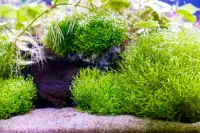
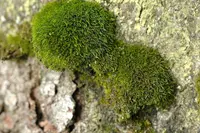
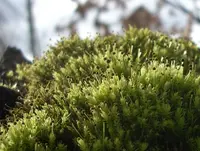
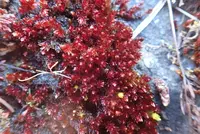
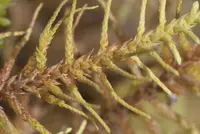
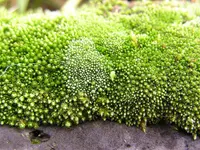
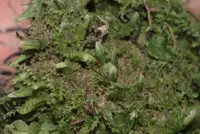
Cratoneuron filicinum, often called cratoneuron moss, is a small aquatic or semi-aquatic moss that typically grows in dense, soft mats. It is commonly found along stream banks, seeps, and other constantly moist limestone or calcareous habitats in temperate regions.

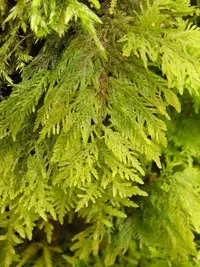
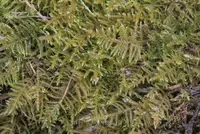
The shoots are fine, green to yellow-green, and often drape over wet rocks or soil, giving a delicate, feathery look. Because it prefers clean, cool, and consistently damp conditions, it can be somewhat sensitive to drying and pollution.

For those learning how to care for cratoneuron moss, its main requirements are steady moisture, gentle light, and mineral-rich, slightly alkaline substrates rather than detailed or complex maintenance routines.

Main Plant Requirements

Care Difficulty

Moderate Care

Light Preference

Partial Shade

Water Requirements

Aquatic

Temperature Preference

Cold Hardy

Hardiness Zone

4–8

Soil Texture

Silty, Peaty, Organic-rich

Soil pH

Acidic (5.5–6.5)

Soil Drainage

Waterlogged tolerant

Fertilization

Minimal (feed rarely)

Get Personalized Care Plan

Scan your plant to receive care tips personalized for your specific plant

Available on iOS and Android

How to Care for the cratoneuron moss

This moss prefers soft, indirect light similar to shaded stream banks.

  • Provide bright, filtered light or dappled shade, such as under taller plants or beside stones, with no more than 1–2 hours of gentle morning sun per day.
  • Avoid direct midday or afternoon sun, which can dry fronds within hours and cause bleaching or crisp brown tips on cratoneuron moss.
  • In summer, shift to deeper shade; in winter, allow slightly more open light, ensuring at least 4–6 hours of indirect daylight.

This moss requires consistently moist conditions without stagnant water.

  • Keep the substrate evenly moist at all times; moss tissues should feel damp but not dripping when touched by hand.
  • Increase watering when surface feels just slightly less damp, reducing frequency only in cooler months to prevent prolonged submersion and anaerobic, low-oxygen conditions.
  • Watch for pale, brittle shoots as a sign of underwatering, and for dark, mushy patches or odor as indicators of overwatering and poor drainage affecting Cratoneuron filicinum.

This species favors cool to mild conditions typical of shaded, wet habitats.

  • Optimal growth occurs around 50–68°F (10–20°C), with steady moisture and protection from drying winds or direct sun exposure.
  • Tolerates down to about 23°F (-5°C) when kept moist and shaded, but repeated hard freezes or exposed frost can damage delicate green shoots.
  • Handles short warm spells up to about 77–82°F (25–28°C) if humidity is high and the substrate never dries, but prolonged heat beyond this range stresses the moss.

This moss prefers consistently moist air and struggles in dry indoor conditions.

  • Aim for 70–90% humidity, using a closed terrarium, covered tray, or damp shade outdoors to maintain this range.
  • Dry air causes browning, crisp tips, and slowed growth, especially near heaters or strong air currents.
  • Increase humidity by misting with soft water, clustering containers, and using a pebble tray, while avoiding prolonged water droplets sitting under strong light.

This species favors saturated, mineral-rich, fine-textured substrates that stay wet but still allow some oxygen around the rhizoids.

  • Use a mix of 60–70% fine sand or silt with 30–40% organic matter such as leaf mold or peat, mimicking stream-bank sediments for Cratoneuron filicinum.
  • Keep the substrate constantly wet to waterlogged, but avoid stagnant, foul-smelling conditions that indicate anaerobic (oxygen-free) decomposition.
  • Provide a mildly acidic to neutral pH around 5.5–7.0 by combining peat or leaf litter with neutral sand rather than strongly alkaline materials.
  • Improve aeration by creating a shallow, loose top layer and avoiding compaction from pressing or walking on the moss substrate.

This species can be grown in shallow containers or trays if moisture is carefully controlled.

  • Choose broad, shallow trays so water spreads as a thin film, preventing deep anaerobic pockets while keeping the surface constantly wet.
  • Select non-porous materials such as plastic or glazed ceramic to slow evaporation and keep the substrate saturated longer.
  • Raise the container slightly above any outer water reservoir so overflow drains away while capillary action still wicks moisture upward.

This moss grows on low-nutrient substrates and usually needs no added fertilizer under naturalistic conditions.

Cratoneuron filicinum requires minimal pruning, mainly for appearance and hygiene rather than vigor.

  • Carry out light trimming at any time, with peak shaping best done in active growth when the moss recovers fastest.
  • Pinch or gently clip away brown, dead, or decaying patches to reduce mold and improve airflow over the mat.
  • Thin congested, overlapping tufts to keep an even, low profile and prevent underlying sections from rotting.
  • Use small scissors or tweezers, avoiding tearing, to keep rhizoids and healthy green shoots as intact as possible.

This species is more often transplanted than repotted, since it usually grows on rocks, soil edges, or wood rather than in pots.

  • Consider transplanting when the colony overgrows its surface, growth slows, or you need to relocate it for moisture or light reasons.
  • Plan moves for cool, moist seasons, such as early spring or fall, to limit desiccation and transplant stress.
  • Lift moss as intact pads with attached substrate and place onto the new surface, pressing gently for good contact.
  • Mist thoroughly after moving, keep evenly moist for several weeks, and avoid strong sun or wind until growth resumes.

Cratoneuron filicinum is commonly propagated by vegetative division rather than by spores in home culture.

  • Divide small clumps or mats in early spring or during mild, moist weather for the highest survival rate.
  • Tear or cut colonies into sections with both green shoots and some underlying substrate or rhizoids attached.
  • Press each section firmly onto a clean, rough, moist surface such as rock, compact soil, or wood for anchoring.
  • Maintain constant surface moisture with fine misting, moderate light, and good air circulation until new tips extend.

This moss is generally cold hardy and, in most outdoor settings, needs no special winter care beyond stable moisture.

  • In very exposed sites, a thin, breathable mulch around surrounding soil can limit repeated freeze–thaw disturbance.
  • Avoid covering the moss itself with heavy mulch or plastic, which encourages rot and smothering.
  • For container cultures in regions below about 10°F, move trays into an unheated but frost-moderated space to reduce desiccation.

Care Tips

Substrate Anchoring

Press small pieces of the moss firmly onto rough stone, wood, or mesh using a fine nylon net or plastic plant clips for 2–3 weeks so new rhizoids can attach securely and form an even carpet instead of loose clumps.

Flow And Splash Management

In terraria or water features, position the moss just outside of direct water jets and heavy splashes, using baffles or stones to break flow so the cushions stay moist but are not mechanically damaged or washed away.

Sectional Harvesting

When collecting small amounts for propagation, trim and lift in thin surface layers from several patches instead of taking one thick mat so existing colonies recover faster and erosion of the substrate is minimized.

Targeted Algae Control

If algae begins to film the moss, gently shade the area with a perforated plastic sheet or light mesh and increase brief air movement for a few days rather than scrubbing, which preserves delicate leaf structures.

Cool-Season Boost

Use the naturally higher vigor in cool, moist seasons to divide and spread small tufts onto new substrates, as establishment and lateral spread are faster at 45–60°F with consistently high moisture when growing cratoneuron moss.

Common Pests and Diseases

Algal overgrowth

Symptoms include bright green, slimy films covering moss cushions and rock or wood surfaces, often in nutrient-rich, slow-moving water. This overgrowth can smother shoots and reduce light reaching the moss.

Solution

Limit excess nutrients by reducing fertilizer or runoff, and increase water movement or gentle flow where possible. Manually remove algal mats with tweezers or a soft brush and maintain lower light intensity to favor moss over algae as part of general Cratoneuron filicinum care instructions.

Filamentous fungi

This disease appears as fine, whitish or gray fungal threads or patches between shoots, usually in stagnant, poorly ventilated, and constantly saturated setups. Growth may slow and older tissues may brown and decay prematurely.

Solution

Improve water exchange and airflow, avoid thick, compacted mats, and remove obviously decayed or moldy moss with clean scissors or tweezers. In enclosed terrariums, increase ventilation and temporarily reduce humidity, and if needed, apply a very dilute, moss-safe fungicide only to affected zones.

Bryophyte-feeding springtails

These insects are tiny, pale to dark jumping arthropods that proliferate in very wet substrates and may nibble on tender moss tips when populations explode. Damage is usually minor but can thin young patches or slow establishment.

Solution

Reduce chronic waterlogging and organic debris, and rinse the colony gently under clean, cool water to dislodge excess springtails. In contained systems, temporarily lower moisture and use targeted biological controls like predatory mites rather than broad insecticides that harm non-target microfauna.

Aquatic snails

This pest includes small freshwater snails that graze on soft moss tissue and biofilm, leaving irregularly eaten patches and exposed stems. In aquaria or paludariums they can multiply quickly if food is abundant.

Solution

Manually remove visible snails and egg masses from moss and hardscape, and avoid introducing new hitchhikers on plants or hardscape materials. If populations remain high, use physical barriers or snail traps and reduce excess food and detritus rather than relying on copper-based treatments that may damage moss and other organisms.

Interesting Facts

Calcareous stream specialist

This moss is strongly associated with mineral-rich, calcium-laden streams and springs, often coating stones and banks where hard groundwater emerges and keeps surfaces constantly moist.

Indicator of clean water

Its presence along streams and seepage areas is used by bryologists as an indicator of relatively unpolluted, cool, and stable freshwater habitats, since it is sensitive to severe organic pollution and heavy disturbance.

Wide but patchy distribution

Although widespread across parts of Europe, Asia, and North America, populations often occur in scattered, localized colonies restricted to suitable calcareous wetland microhabitats rather than forming continuous carpets over large areas.

FAQs about cratoneuron moss

This species spreads slowly to moderately by creeping stems and fragmenting patches. It can gradually carpet consistently moist areas but is not considered aggressive. Regular trimming and limiting very wet, bare substrates help control its spread.

Grow Healthy Plants with Botan Care

Keep your plants happy and healthy with plant identification, disease detection, and easy care guidance.

Botan plant care app — identify plants on mobile

Explore More Plants