callicladium moss Care (Callicladium haldanianum)

Also known as: Beautiful Branch Moss
callicladium moss

About callicladium moss

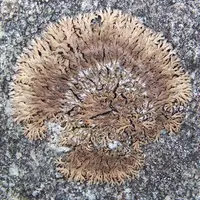
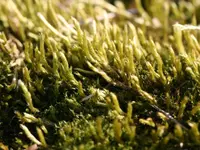
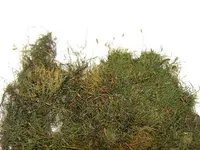
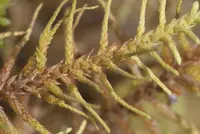
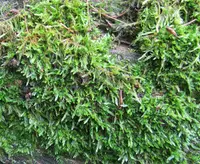
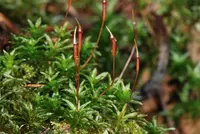
Callicladium haldanianum, often called callicladium moss, is a creeping, feathery moss that forms dense, bright to yellow-green carpets. Its fine, flattened stems create a soft, lace-like texture that covers soil, rocks, or decaying wood. This species occurs widely in temperate forests, especially in moist, shaded habitats with stable humidity and cool to mild temperatures. It tends to be resilient once established but dislikes drying out or strong, direct sun, which can limit its use in exposed spots. In cultivation, it suits terrariums, paludariums, and shaded outdoor areas, and simple, consistent conditions are enough to care for callicladium moss.

Main Plant Requirements

Care Difficulty

Moderate Care

Light Preference

Shade

Water Requirements

Keep Soil Moist

Temperature Preference

Cool Climate

Hardiness Zone

Unknown

Soil Texture

Peaty, Organic-rich

Soil pH

Acidic (5.5–6.5)

Soil Drainage

Moist but well-drained

Fertilization

Minimal (feed rarely)

Get Personalized Care Plan

Scan your plant to receive care tips personalized for your specific plant

Available on iOS and Android

How to Care for the callicladium moss

This moss prefers low to moderate, filtered light similar to a shaded forest floor.

  • Provide bright shade or dappled light, such as under shrubs or trees, with 1–2 hours of gentle morning sun and no direct midday or afternoon sun.
  • Aim for 4–6 hours of ambient, indirect light; deep shade slows growth and causes thinning, while strong sun bleaches and dries the cushions of callicladium moss.
  • In summer, protect from reflected heat and intense light on rocks or logs; in winter, slightly increased indirect light is beneficial where trees lose leaves.

Callicladium haldanianum needs consistently moist conditions without long periods of saturation.

  • Keep the substrate evenly moist; the surface should feel damp but not spongy, and never fully dry out between waterings in active growth.
  • Increase watering frequency in warm, windy, or exposed sites, using fine misting or gentle flow so water soaks in rather than running off the moss surface.
  • Reduce watering slightly in cooler seasons but prevent complete drying; yellowing, crispy tips signal underwatering, while slimy, dark patches and a sour smell suggest overwatering and poor drainage.

This species thrives in cool to mild conditions typical of temperate woodland habitats.

  • Target an active growth range of 50–70°F (10–21°C), where hydration and photosynthesis remain stable and cushions stay dense.
  • Tolerates short drops to about 25°F (-4°C) if kept moist and sheltered, but repeated hard frosts or freeze–thaw cycles can damage exposed patches.
  • In hotter weather above 80°F (27°C), provide deep shade and frequent light misting; prolonged heat over 90°F (32°C) with low humidity can cause desiccation and dieback.

This moss prefers consistently moist air and reacts quickly to drying out.

  • Aim for 70–90% humidity, using a closed terrarium, shaded outdoor spot, or covered tray setup.
  • It tolerates brief dips to 50–60% but prolonged dry air causes crisping tips and dull, brownish patches.
  • Increase humidity by misting edges (not soaking), using a humidity dome, or placing trays over damp pebbles to create a microclimate for callicladium moss.

This species grows best on moist, airy, organic substrates that stay damp but never waterlogged.

  • Use a fine, loose mix such as 2 parts sphagnum peat or coco coir, 1 part fine compost, and 1 part fine sand or pumice.
  • Aim for slightly acidic conditions, roughly pH 5.0–6.5, which match typical forest floor and rotting wood habitats.
  • Keep the substrate shallow and evenly moist; it should feel springy and porous, not compacted or sticky.
  • Avoid dense garden soil, heavy clay, or mixes with added fertilizers, which can cause rot and encourage algae growth on Callicladium haldanianum.

This moss is suitable for shallow containers and terrariums where moisture and airflow can be finely controlled.

  • Choose wide, shallow containers so the mat can spread horizontally while moisture stays evenly distributed across the surface.
  • Use plastic or glazed ceramic rather than unglazed clay if higher moisture retention is needed, especially in drier homes or windy balconies.
  • Elevate the container slightly on feet or mesh so drainage holes cannot sit in runoff, preventing the lower moss layer from remaining waterlogged.

This moss has low nutrient needs, so any feeding should stay very light and infrequent.

  • Use a very dilute balanced liquid fertilizer (around 1/8–1/4 strength, such as 10-10-10 NPK) only if growth is pale or slow in active season.
  • Apply no more than once every 6–8 weeks during warm, bright growth periods for callicladium moss in culture.
  • Avoid compost or strong slow-release products that can burn fine tissues and encourage algae or nuisance plants.
  • Stop feeding in winter or cool dormancy, when metabolic activity is low and salts can accumulate in the substrate.

Pruning needs for Callicladium haldanianum are minimal and focus on tidying rather than shaping.

  • Best timing is during active growth in spring or early summer, when recovery is quickest.
  • Gently remove dead, browned, or damaged pads and any loose debris on the moss surface.
  • If mats are too thick or crowded, trim back outer portions to keep a low, even carpet and promote new tips.
  • Use fine scissors or tweezers, cutting just above the substrate, and avoid disturbing healthy green tissue where possible.

This moss is usually transplanted rather than truly repotted, and it tolerates disturbance poorly if handled roughly.

  • Transplant when growth becomes patchy, the substrate compacts, or water drains poorly rather than on a fixed schedule.
  • Late spring to early summer is the best season, allowing warm, humid conditions for re-establishment.
  • Typical frequency is every 2–3 years, or when renewing a terrarium or vivarium layout for better aeration and cleanliness.
  • To reduce root stress, lift Callicladium haldanianum as intact mats, place onto fresh, moist, acidic substrate, firm gently, then keep humidity high and light moderate until anchored.

Propagation of this moss is commonly done by division of existing mats rather than from spores at home.

  • Best season is spring or early summer, when warmth and humidity support rapid re-attachment.
  • Cut healthy, green mats into small sections using clean scissors, avoiding crushed tissue.
  • Lay divisions flat on fresh, moist, slightly acidic substrate and press gently for full contact.
  • Maintain constant high humidity, soft indirect light, and good air movement to encourage new rhizoids and steady spread.

Outdoors, this moss is generally cold hardy in temperate climates and needs little special winter care once established.

  • In regions with severe freezes or ice, a light, breathable mulch around the substrate can moderate temperature swings.
  • Container cultures are more vulnerable; move trays or terrariums indoors to a cool, frost-free location.
  • Avoid waterlogging during cold spells, but keep the substrate slightly moist so tissues do not dry out while dormant.

Care Tips

Layered Mounting

Attach the moss in thin, patchy layers on wood or rock rather than a thick mat so that new growth can root into fresh surfaces and excess moisture can evaporate more evenly.

Capillary Watering

Place the substrate or mount on a layer of moist sphagnum or felt so that water wicks upward slowly, keeping the moss evenly damp without frequent overhead saturation.

Gentle Rinse Routine

Every 2–4 weeks, gently rinse the moss with soft, lukewarm water to flush out dust and dissolved salts that can accumulate and inhibit new growth.

Airflow Management

Use a small, low-speed fan or slightly open terrarium vents to keep air moving gently around the moss, which helps prevent fungal issues while still maintaining high humidity.

Fragment Propagation

To expand a colony, tear small living fragments and press them lightly onto new moist surfaces rather than transplanting whole clumps, which encourages faster and more even coverage when growing callicladium moss.

Common Pests and Diseases

Springtails

These insects often colonize constantly moist moss carpets and feed on decaying organic matter, sometimes grazing on young moss shoots. Symptoms include fine pitting or thinning of fresh green tips in very dense, saturated setups such as terraria or culture trays.

Solution

Reduce standing water and allow the substrate surface to drain more fully between misting while keeping humidity high, then manually flush the colony by submerging the moss mat in clean, dechlorinated water and pouring off the floating insects. In persistent indoor cultures, use yellow sticky traps around the container and lightly rinse the moss under a gentle stream of water every few days until numbers drop.

Mite infestations

These insects exploit high humidity and accumulated dust or biofilm on moss cushions, leading to dull, patchy growth and very fine webbing in sheltered spots. Symptoms include slowed regrowth after trimming and a slightly gray, dusty look on the moss surface.

Solution

Improve air movement around the moss and avoid stagnant, closed containers while keeping the substrate evenly moist. Rinse the moss under a gentle lukewarm shower or with a hand mister set to a strong stream, then repeat rinses several times over 1–2 weeks; for valuable collections, a targeted application of insecticidal soap diluted to moss-safe strength can be used on small test areas first as part of careful Callicladium haldanianum care.

Algal overgrowth

This disease appears when light is strong and water or nutrient levels are high, causing a slimy green film that coats and shades the moss. Symptoms include bright green, slippery patches on soil, wood, or rock surfaces and slowed or etiolated moss growth beneath.

Solution

Cut back on fertilizer, shorten light duration or intensity, and avoid leaving free-standing water on the moss surface. Gently scrub or wipe affected hardscape with a soft brush or cotton swab, then perform frequent but lighter misting rather than heavy soaking until moss growth outcompetes the algae.

Fungal leaf spot

This disease develops in poorly ventilated, saturated conditions and creates small brown to black specks or irregular patches on the moss shoots. Symptoms include discolored, collapsing fronds that spread from the most crowded, shaded zones outward.

Solution

Increase ventilation, open closed containers more often, and reduce continuous surface wetness while maintaining overall humidity. Remove and discard affected clumps with clean scissors, then apply a dilute, moss-safe fungicide or a hydrogen peroxide rinse (well diluted and patch-tested) to the surrounding area and allow it to dry slightly before the next misting.

Interesting Facts

Feather-like carpet growth

This species forms soft, feather-like mats with flattened, regularly pinnate shoots that can create dense carpets on soil, logs, and rocks in humid forests.

Shade-tolerant forest dweller

It is strongly associated with cool, moist, shaded woodland habitats and is common in coniferous and mixed forests across temperate regions of the Northern Hemisphere, especially in boreal and montane zones.

Indicator of moist microclimates

Its presence often indicates stable, humid microclimates with relatively low air movement and consistent moisture, so bryologists use it as one of several clues when assessing forest floor microhabitats.

FAQs about callicladium moss

This species usually performs better outdoors or in very humid terrariums, because it evolved in consistently moist, shaded forest habitats. Indoors, maintaining steady humidity, airflow, and clean, non-chlorinated water is the main challenge for callicladium moss indoor care.

Grow Healthy Plants with Botan Care

Keep your plants happy and healthy with plant identification, disease detection, and easy care guidance.

Botan plant care app — identify plants on mobile

Explore More Plants