


Use stable substrate
Establish the moss on rough, stable materials such as lava rock, aged bark, or coarse sandstone so rhizoids can anchor securely and the colony is not dislodged by misting or rain.

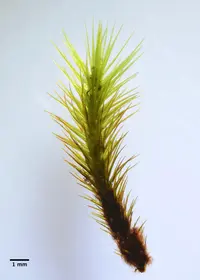
Menzies' anacolia moss, Anacolia menziesii, is a small, upright, tuft-forming moss often found on rocks, soil banks, and decaying wood. Its stems carry narrow, overlapping leaves that give clumps a fine, textured look. This species is native to western North America, especially in moist forested and montane areas, where it benefits from cool, humid conditions and stable moisture. It tolerates some drying between rains but declines with prolonged drought or strong disturbance. For those who want to care for Menzies' anacolia moss, it usually does best with bright shade, consistent humidity, and a loose, mineral-rich substrate that does not stay waterlogged.

Care Difficulty
Moderate Care

Light Preference
Partial Shade

Water Requirements
Keep Soil Moist

Temperature Preference
Cool Climate

Hardiness Zone
6–9

Soil Texture
Loamy, Silty, Organic-rich

Soil pH
Acidic (5.5–6.5), Slightly acidic (6.5–7.0)

Soil Drainage
Moist but well-drained

Fertilization
Minimal (feed rarely)
Scan your plant to receive care tips personalized for your specific plant
Available on iOS and Android
This moss prefers cool, soft light that mimics shaded woodland or rock face conditions.
This species prefers consistently moist conditions without long dry periods or stagnant water.
This moss is adapted to cool to mild climates and tolerates a fairly wide outdoor temperature range.
This moss prefers consistently moist air and reacts quickly to drying conditions.
This species performs best in moist, loose, acidic, organic-rich substrates that never fully dry out.
This moss can be grown in shallow containers when moisture and drainage are carefully controlled.
This moss is adapted to low-nutrient habitats, so Menzies' anacolia moss needs little to no added fertilizer under normal conditions.
Pruning Anacolia menziesii is usually limited to light cleanup rather than shaping.
Transplanting is occasional and should be done gently to avoid damaging the fine rhizoids of Anacolia menziesii.
Propagation is usually done by division of existing cushions rather than from spores for Anacolia menziesii.
This moss is generally cold hardy and usually needs no special winter care once established outdoors.

Plant Health Check
Not sure what's wrong with your plant? Check your plant's health inside the app.
This moss is native to western North America, where it is especially associated with the humid, ocean-influenced forests of the Pacific Northwest, often occurring in montane to subalpine zones.
It commonly grows on decaying logs, humus-rich soil, and sheltered rock faces, where its loose, somewhat tufted mats help stabilize fine substrates in cool, moist microhabitats.
Its spore capsules are borne on slender setae and often appear slightly curved or inclined rather than strictly upright, a feature that helps distinguish it from some superficially similar pleurocarpous mosses.
This species performs best outdoors in cool, humid, temperate climates on soil, rocks, or rotting wood. Indoors it is difficult to keep humidity, airflow, and light balanced, so Menzies' anacolia moss indoor care is more advanced.
Keep your plants happy and healthy with plant identification, disease detection, and easy care guidance.

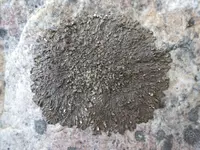
Blistered Camouflage Lichen
Xanthoparmelia loxodes
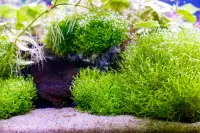
Crystalwort
Riccia fluitans
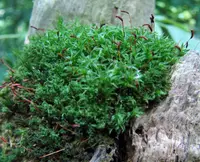
undulate atrichum moss
Atrichum undulatum
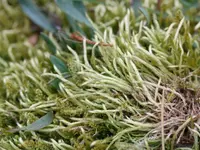
brachythecium moss
Brachythecium albicans
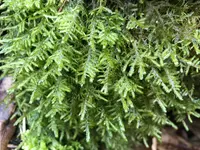
Flat Neckera
Alleniella complanata
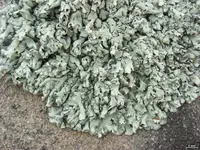
Cumberland rock-shield
Xanthoparmelia cumberlandia
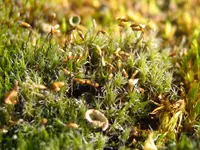
campylopus moss
Campylopus introflexus
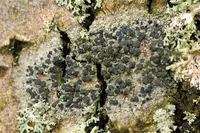
Tiny button lichen
Amandinea punctata