ceratodon moss Care (Ceratodon purpureus)

Also known as: Redshank, Fire moss, Purple Moss
ceratodon moss

About ceratodon moss

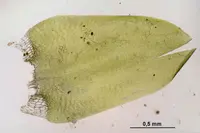
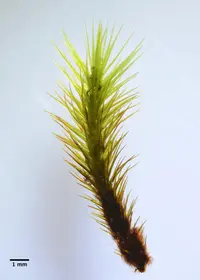
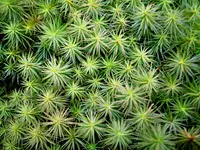
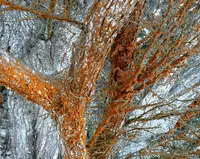
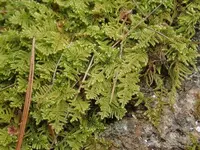
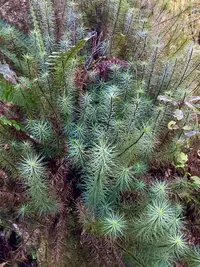
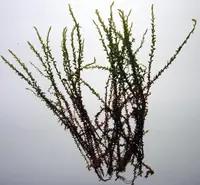
Ceratodon purpureus, often called redshank moss or fire moss, is a small, hardy moss that forms low, dense cushions or tufts. It is a bryophyte, a non-vascular plant that absorbs water and nutrients through its leaves.

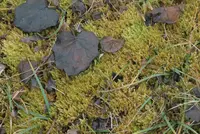
This moss shows distinctive reddish stems and spore capsules that give patches a rusty or purplish tint. It commonly colonizes disturbed ground, roofs, compacted soil, and rocky surfaces in many temperate regions worldwide.

Its tolerance of drought, pollution, and poor substrates makes it one of the easiest mosses to establish in outdoor settings. Anyone learning how to care for ceratodon moss benefits from understanding its preference for bright light, regular moisture, and stable, undisturbed surfaces.

Main Plant Requirements

Care Difficulty

Easy Care

Light Preference

Full Sun

Water Requirements

Keep Soil Moist

Temperature Preference

Cold Hardy

Hardiness Zone

2–9

Soil Texture

Sandy, Loamy, Rocky

Soil pH

Acidic (5.5–6.5), Slightly acidic (6.5–7.0)

Soil Drainage

Moist but well-drained

Fertilization

Minimal (feed rarely)

Get Personalized Care Plan

Scan your plant to receive care tips personalized for your specific plant

Available on iOS and Android

How to Care for the ceratodon moss

This moss prefers bright, cool exposure but tolerates a wide range of light in the landscape.

  • Aim for 3–5 hours of gentle morning sun with bright, indirect or dappled light for the rest of the day to support compact, dense growth.
  • It tolerates partial shade and even high shade, but in sites with less than 2 hours of light daily, growth slows and patches may thin or brown.
  • In hot summers, protect ceratodon moss from harsh midday and late-afternoon sun to reduce drying, bleaching, and surface overheating.

Moist but not constantly saturated conditions support healthy growth and spore production.

  • Keep the surface evenly moist; allow only the top 1–2 mm of substrate or soil to start losing sheen before rewetting with a gentle spray or fine rose.
  • Increase watering during hot, windy periods when moss dries within a few hours, and reduce frequency in cool, overcast weather or during dormancy-like slow growth.
  • Watch for crisp, pale tips as a sign of underwatering, and for persistent soggy, foul-smelling patches as a sign of poor drainage and overwatering in Ceratodon purpureus.

This species is highly temperature-tolerant but grows most actively in cool to mild conditions.

  • Optimal growth typically occurs around 50–70°F (10–21°C), with steady moisture and moderate light supporting dense carpets.
  • The moss survives well below 32°F (0°C); freezing may pause visible growth, but normal color and expansion return as temperatures rise above 40°F (4–5°C).
  • It tolerates summer heat up to about 86–90°F (30–32°C) if humidity and moisture remain adequate, but prolonged extreme heat and drying winds can cause browning and partial dieback.

This moss tolerates a wide humidity range but stays greener and more active with moderate moisture in the air.

  • Aim for 40–70% humidity, with slightly higher levels in warm, bright spots to reduce desiccation risk.
  • Dry indoor air causes crisped, brownish tips and slower regrowth after drying cycles.
  • Increase local humidity by grouping containers, using a wide pebble tray with water below the moss, or misting lightly in the morning.

This species thrives on thin, open substrates rather than dense, heavy soil.

  • Use a very sandy, gritty mix such as 50–70% sharp sand or fine grit with the rest low-nutrient compost or sifted leaf mold.
  • Ensure rapid drainage so water runs through in seconds and the surface can dry between waterings, preventing stagnation and decay.
  • Keep pH roughly neutral to slightly acidic (pH 5.5–7); avoid liming or strongly alkaline substrates unless matching a known local habitat.
  • Avoid rich, compact potting mixes and instead focus on a shallow, well-aerated surface that allows Ceratodon purpureus to anchor without smothering.

This moss is suitable for shallow containers and trays when moisture and drainage are carefully controlled.

  • Choose broad, shallow trays so the moss forms an even carpet and excess water can spread and evaporate quickly.
  • Select unglazed terracotta if extra evaporation is needed, or glazed/ plastic containers where moisture retention is a challenge.
  • Elevate the container slightly on feet or mesh so drainage holes never sit in collected runoff, keeping the substrate from staying waterlogged.

This moss needs minimal nutrition and often thrives without added fertilizer in most outdoor and indoor setups.

  • In very poor substrates, use a highly diluted balanced liquid fertilizer (around 1/8–1/4 strength, low NPK) during active growth in spring–summer.
  • Apply no more than once every 6–8 weeks to avoid salt buildup that can damage delicate moss tissues.
  • Choose products labeled safe for mosses or use very fine, mature compost water, strained and well diluted.
  • Stop feeding ceratodon moss in fall–winter, when growth slows and nutrient demand is low.

Ceratodon purpureus needs only light grooming, mainly to keep growth even and visually tidy.

  • Best timing is during active growth in spring or early summer so patches recover quickly.
  • Trim overgrown, leggy, or browned cushions with clean scissors, removing dead or damaged tufts first.
  • Lightly cutting back crowded mounds evens the carpet and can encourage denser new shoots.
  • Avoid cutting too close to the substrate; leave a thin green layer to maintain photosynthesis and steady regrowth.

Transplanting is more relevant than repotting, since this moss is usually grown on outdoor surfaces or shallow trays.

  • Move mats when growth becomes patchy, substrate breaks down, or containers dry out too fast.
  • Ideal timing is cool, moist weather in spring or early fall to reduce stress and desiccation.
  • Lift Ceratodon purpureus as thin mats, keeping as much underlying substrate attached as possible.
  • Reposition on fresh, clean, moist medium, press gently for full contact, then keep evenly damp and shaded for 1–2 weeks.

This moss is commonly multiplied by simple vegetative methods rather than by spores in home settings.

  • Divide healthy cushions into small plugs or torn fragments in spring or early fall when humidity is higher.
  • Press fragments firmly onto a clean, moist, slightly rough substrate so rhizoids can anchor.
  • Maintain constant surface moisture with fine misting and bright, indirect light to support new growth.
  • For spore propagation, provide consistently moist conditions and avoid disturbance of the fine surface layer.

This moss is very cold hardy and typically requires no special winter care outdoors in most climates.

  • Ceratodon purpureus tolerates freezing and drying, then resumes growth once conditions improve.
  • Container-grown mats can stay outside but benefit from shelter from harsh drying winds.
  • Maintain some moisture on milder days, but avoid waterlogged conditions around freezing temperatures.

Care Tips

Substrate anchoring

Lightly press the moss fragments into a rough, stable surface such as compacted sand, pumice, or porous rock so the rhizoids can attach quickly and form an even carpet instead of loose clumps washing away.

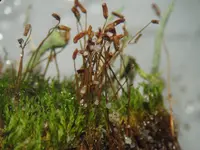
Fragment-based propagation

For faster coverage, crumble healthy cushions into small fragments, spread them thinly over the prepared surface, and mist them so they settle into contact points rather than laying in thick piles that shade each other.

Controlled desiccation cycles

Allow short dry-down periods between mistings to mimic natural boom-and-bust moisture cycles, which can encourage tighter, denser growth instead of weak, elongated shoots.

Algae and liverwort control

If green film or tiny flat liverworts start competing, gently disturb the surface with a soft brush and reduce nutrient input so the moss is favored over faster-growing opportunists.

Urban substrate use

To grow Ceratodon purpureus on man-made surfaces, use shallow trays of crushed brick, roof gravel, or old concrete pieces, which replicate the mineral, low-organic habitats where this species naturally thrives and simplifies caring for ceratodon moss.

Common Pests and Diseases

Slime moulds

This disease appears as soft, often brightly colored or grayish slimy patches that spread over moss cushions in very moist, nutrient-rich spots. Symptoms include temporary smothering of the moss surface and localized dieback where the slime mass persists.

Solution

Reduce excess nutrients and organic debris by gently lifting leaves and litter off the moss, and avoid fertilizing nearby areas. Improve air movement and surface drainage; if patches are small, carefully lift or rinse off affected cushions and re-establish them in a slightly leaner, well-drained substrate to support stable Ceratodon purpureus plant care.

Algal overgrowth

This disease presents as a smooth, often bright green film that coats the surface of the moss and substrate in very wet, sun-exposed areas. This layer can block light and reduce photosynthesis, causing thinning and pale, weak shoots.

Solution

Reduce standing water and improve drainage by adjusting irrigation, slope, or substrate texture, and if possible provide light shade during the hottest part of the day. Lightly rinse or brush the moss surface with clean water to break up the algal film, and avoid nutrient-rich runoff from lawns or fertilized beds that encourages regrowth.

Springtails

These insects are tiny, pale or dark jumping arthropods that thrive in constantly wet moss substrates rich in decaying matter. This pest usually causes only minor damage but can nibble on delicate new shoots and disturb freshly established cushions.

Solution

Allow the surface to dry slightly between waterings and remove excess decomposing organic material to reduce their food source. If populations are very high and plant growth is affected, submerge the moss briefly in clean water to flush out insects, then re-establish it under slightly less saturated but still evenly moist conditions.

Moss mites

This pest consists of small, often reddish or brown mites that feed on moss tissues, sometimes leaving a fine, grazed appearance and patchy thinning in long-established mats. Damage usually appears in warm, dry spells when the moss is already stressed.

Solution

Maintain more stable moisture by gentle, regular misting without waterlogging, and avoid heavy foot traffic that crushes stems. If infestation is noticeable, carefully rinse the moss with a firm but fine spray of water to dislodge mites and improve vigor, and if needed relocate a portion of healthy moss to a slightly cooler, more humid microhabitat.

Damping-off and dieback

This disease affects newly established propagules or very dense, constantly saturated patches, where symptoms include sudden collapse, browning, and a water-soaked look at the base of the shoots. Fungal organisms take advantage of low oxygen and stagnant moisture to break down delicate tissues.

Solution

Use a sharply draining, low-organic substrate and avoid deep, stagnant water; aim for evenly moist but aerated conditions. Thin overly dense mats, improve air circulation, and if a section collapses, remove dead material and restart a small patch from healthy tips in a fresher, better-aerated spot.

Interesting Facts

Urban heat specialist

This moss often dominates in cities because its spores tolerate high temperatures and repeated drying, allowing it to colonize asphalt, rooftops, and other heat-exposed surfaces that many other mosses cannot survive on.

Smoke and fire colonizer

It is one of the first mosses to appear on burned ground and fire-damaged soils, with spores and fragments quickly establishing on nutrient-poor, disturbed substrates left after wildfires.

Sex ratio skewed male

Populations frequently show more male than female plants, and in many areas sporophytes (the capsule-bearing stage) are rare because female plants are sparse or absent, leading to mainly vegetative persistence.

Botan icon

Did you know?

This species produces extremely long-lived spores that can remain viable in dry, exposed conditions for many years, allowing it to disperse globally and rapidly colonize new or disturbed habitats across multiple continents.

FAQs about ceratodon moss

This species is generally considered non-toxic to pets and is not known to cause poisoning if small amounts are ingested. Still, discourage regular chewing, and monitor animals for stomach upset, especially in confined terrarium setups.

Grow Healthy Plants with Botan Care

Keep your plants happy and healthy with plant identification, disease detection, and easy care guidance.

Botan plant care app — identify plants on mobile

Explore More Plants