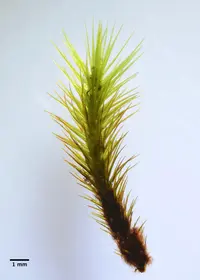
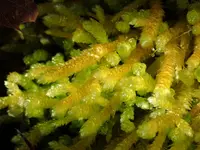
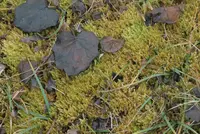
Orange Rock Hair Care (Trentepohlia aurea)

Orange Rock Hair

About Orange Rock Hair

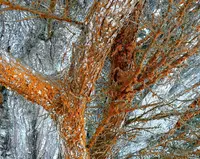
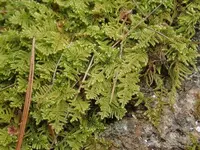
Orange rock hair is a filamentous green alga that appears bright orange due to dense carotenoid pigments in its cells. It forms soft, felt-like mats or tufts on rock, bark, and man-made surfaces.

In nature, Trentepohlia aurea is common in humid, mild climates, often in shaded or partially shaded sites with consistent moisture from rain, fog, or spray. It does not behave like a typical houseplant and is usually grown only by specialists or enthusiasts.

The species is relatively tolerant of exposure and air pollution but needs regular surface moisture and a stable, humid microclimate. Because it is sensitive to drying out, it can be challenging to care for Orange Rock Hair indoors or in dry environments.

Main Plant Requirements

Care Difficulty

Moderate Care

Light Preference

Partial Shade

Water Requirements

Regular Water

Temperature Preference

Warm Climate

Hardiness Zone

Unknown

Soil Texture

Rocky, Loamy, Sandy

Soil pH

Slightly acidic (6.5–7.0)

Soil Drainage

Moist but well-drained

Fertilization

Minimal (feed rarely)

Get Personalized Care Plan

Scan your plant to receive care tips personalized for your specific plant

Available on iOS and Android

How to Care for the Orange Rock Hair

This filamentous alga prefers bright, indirect light with some daily shade on exposed rock surfaces.

  • Provide 3–5 hours of gentle morning sun with bright, filtered light the rest of the day to support strong orange coloring in Orange Rock Hair.
  • Allow partial shade, especially in hot climates; protect from intense midday and afternoon sun that can cause bleaching and desiccation on dry rock.
  • In summer, prioritize dappled or north/east exposure; in winter, increased direct sun is acceptable if surfaces stay slightly moist.

This species thrives where surfaces stay slightly damp but not constantly saturated.

  • In natural rock or bark habitats, aim for consistently moist conditions, letting the top 2–3 mm of biofilm or surface dry briefly between wetting events.
  • Increase misting or ambient moisture during hot, windy periods; reduce added moisture in cool, overcast seasons to limit prolonged saturation.
  • Signs of overwatering include slimy, darkened patches and algal film spreading into puddles, while crisp, pale, or flaking mats indicate underwatering or excessive drying.

This alga favors mild, humid conditions and tolerates a modest temperature range on rock and bark surfaces.

  • Optimal growth occurs around 60–77°F (16–25°C), where surfaces remain moist without overheating or rapid evaporation.
  • It usually tolerates down to about 40°F (4°C) if not exposed to hard frost; repeated freezing and thawing can damage or detach mats.
  • Heat tolerance extends to roughly 86°F (30°C) if humidity is high and surfaces are shaded; extreme dry heat combined with full sun can cause rapid desiccation and color loss.

This rock-dwelling alga prefers consistently moist air but adapts to a broad humidity range.

  • Aim for 50–80% humidity in shaded, sheltered spots to keep filaments hydrated and colored.
  • Tolerates short dry spells but prolonged air below 40% causes dull, brittle, and receding patches.
  • Increase humidity by positioning near consistently damp stone, misting lightly in early morning, or using nearby water trays without saturating surfaces.

This species usually colonizes rock or bark surfaces, so use a mineral, sharply draining base rather than typical potting soil.

  • Prefer a gritty, sandy-mineral layer with very little organic matter, mimicking weathered rock surfaces where Trentepohlia aurea naturally grows.
  • Ensure rapid drainage by mixing fine gravel and coarse sand, avoiding peat-heavy or compact mixes that stay waterlogged.
  • Keep pH slightly acidic to neutral (pH 5.5–7.0), using inert substrates like pumice, lava rock, or crushed granite chips.
  • Improve aeration by keeping the layer shallow and open-textured, and avoid dense, clay-based materials that restrict air and trap standing water.

This species can be maintained in containers if grown on stones or bark pieces rather than in standard potting mix.

  • Use a wide, shallow tray to spread rocks or bark, which stabilizes the thin growth layer and prevents water pooling in depth.
  • Choose a heavier ceramic or stone container so the lightweight colonized rocks do not tip or shift in wind or handling.
  • Design drainage so excess water runs off quickly from the rock surface, such as slightly tilting the tray or elevating one edge.

This crust-forming alga is usually self-sufficient and, in natural or outdoor settings, Orange Rock Hair rarely benefits from added fertilizer.

Pruning needs for Trentepohlia aurea are minimal, as it forms thin, crust-like mats on rock or bark surfaces.

Transplanting Trentepohlia aurea is uncommon and mainly relevant when moving colonized rock or bark pieces in cultivation.

  • Transplant only when growth has firmly covered a rock, branch, or artificial surface and you want to reposition it in a new display.
  • Carry out moves during mild, moist seasons, avoiding temperature extremes that may dry or overheat the algal layer.
  • Relocate the entire substrate piece instead of scraping the alga off, which reduces damage to the fine filaments.
  • After moving, maintain high ambient humidity and gentle airflow so the colony can re-attach and resume normal growth.

Propagation of Trentepohlia aurea is specialized and not typically attempted by home growers, since it spreads naturally by spores and microscopic fragments.

In most mild to cool climates, this rock-dwelling alga needs no special winter care beyond stable site conditions.

Care Tips

Substrate Choice

Grow it on rough, porous rocks, concrete, or old brick rather than smooth plastic or glazed ceramic so the filaments can anchor securely and form an even orange mat.

Misting Technique

Use a fine-mist spray bottle aimed slightly above the colony so droplets fall like fog rather than blasting the surface, which helps avoid dislodging the delicate algal threads.

Airflow Management

Provide gentle, constant air movement with a small fan on a low setting to keep surfaces drying predictably and reduce the risk of slimy green competitors taking over the orange growth.

Competing Algae Control

If darker green algae or moss start to overgrow the patch, gently rub or brush only the competing growth away with a soft toothbrush, leaving the orange filaments intact to recolonize the cleaned areas.

Outdoor-to-Indoor Transition

When moving colonies from outdoors to indoor display, gradually reduce light and wind exposure over 7–10 days and keep the substrate slightly drier to stabilize the biofilm and support long-term Orange Rock Hair indoor care.

Common Pests and Diseases

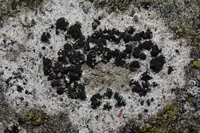
Lichen overgrowth

Symptoms include a thick, crusty or leafy mix of lichen and algae that can smother the orange layer and alter its color and texture. This condition is more common on older, shaded stone, bark, or concrete surfaces where moisture stays high.

Solution

Gently brush affected surfaces with a soft, dry brush to reduce lichen coverage without scraping away the orange filaments, and improve light exposure and air movement around the site so surfaces dry more quickly after rain. Avoid harsh biocides; if needed, use a very dilute biodegradable masonry or patio cleaner on hard surfaces only, then rinse well and allow the area to dry before allowing the alga to recolonize.

Green algal competition

This issue appears as patches of bright to dark green film or fuzz that gradually overtake the orange mat, especially in very wet, shaded locations. This competing algae layer can reduce the intensity of orange color and slow growth of Trentepohlia aurea.

Solution

Reduce constant shade and heavy wetting by trimming overhanging vegetation and improving drainage so the surface cycles between wet and dry. On hard substrates, lightly scrub with a soft brush and clean water to thin the green layer while leaving some orange filaments intact, then avoid nutrient-rich runoff (such as fertilizer splash) that favors faster-growing green algae.

Sooty mold colonization

This disease forms a dark, soot-like coating on the orange filaments when there is persistent organic residue or pollution, dulling the color and reducing photosynthesis. It occurs most often near roads, industrial areas, or under trees that drip sap or honeydew from insects.

Solution

Rinse the affected surface gently with clean water and lightly brush to remove the dark film without stripping away the alga. Reduce sources of sticky residues above the colony, such as heavy sap drip or insect honeydew, and improve airflow so the surface dries and airborne pollutants are less likely to stick.

Airborne fungal biofilm

This disease produces a thin, often gray or brown film of opportunistic fungi that weave through the algal mat after long periods of constant dampness. This biofilm can weaken the orange carpet, causing patchy thinning or dull, dirty coloration.

Solution

Allow the colonized surface to dry more thoroughly between wet periods by redirecting irrigation, improving drainage, or reducing continuous shade. If the biofilm is dense, use a soft dry or slightly damp brush to loosen and remove some of the fungal layer, taking care not to abrade the substrate, and then monitor for recolonization under drier, better-ventilated conditions.

Sap-sucking arthropods

These insects or mites occasionally feed on the moist surface film around the algal threads, creating small discolored spots or localized thinning, especially where Trentepohlia grows on living bark near other infested plants. This pest is usually secondary and linked to nearby tree or shrub infestations.

Solution

Inspect nearby host plants for aphids, scale, or mites and manage those populations with targeted horticultural oil or insecticidal soap, following label directions for the host species. Rinse the affected bark or rock gently with water to remove loose arthropods and honeydew, and avoid broad-spectrum chemicals that could damage the delicate algal layer and its supporting ecosystem while following Trentepohlia aurea care instructions for light and moisture at the site.

Interesting Facts

Orange rock coloration

This filamentous green alga appears bright orange to rusty red because its chlorophyll is masked by high levels of carotenoid pigments that protect cells from intense light and desiccation on exposed rock surfaces.

Airborne spore dispersal

It produces large numbers of asexual spores that travel readily by air, which explains why it often appears suddenly as an orange film on shaded walls, rocks, and tree bark in humid environments.

Lichen symbiosis role

This alga frequently serves as the photosynthetic partner in certain lichens, supplying carbohydrates to fungal hosts while gaining protection and a stable microhabitat in return.

Botan icon

Did you know?

Trentepohlia aurea can significantly alter the visual appearance of historic stone buildings and monuments, to the point that its orange biofilms are sometimes monitored or managed in conservation work to prevent aesthetic or surface changes to heritage structures.

FAQs about Orange Rock Hair

Growth is slow, with only thin new mats forming over months rather than weeks. As an alga, it expands more by spreading filaments across suitable rock or bark surfaces than by noticeable vertical or bushy growth.

Grow Healthy Plants with Botan Care

Keep your plants happy and healthy with plant identification, disease detection, and easy care guidance.

Botan plant care app — identify plants on mobile

Explore More Plants