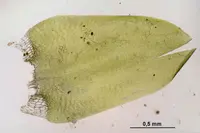
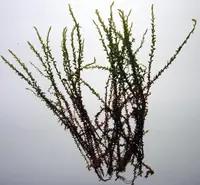
polytrichum moss Care (Polytrichum piliferum)

Also known as: bristly haircap, bristly haircap moss
polytrichum moss

About polytrichum moss

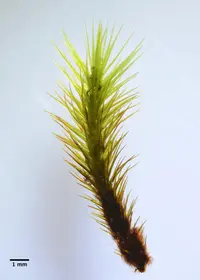
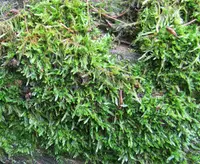
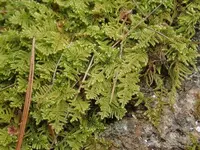
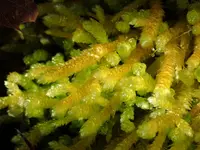
Polytrichum piliferum, often called haircap moss, is a hardy acrocarpous moss that forms tight, cushion-like clumps. Its upright, bristle-tipped shoots create a fine, textured carpet. This species occurs in cool, open habitats such as rocky slopes, sandy soil, heathland, and exposed forest edges across the Northern Hemisphere. It tolerates cold, wind, and brief dry periods better than many mosses, which makes it relatively resilient but slow to establish. Polytrichum piliferum prefers bright, indirect light to light shade, consistent moisture, and acidic, low-nutrient substrates. Understanding these natural conditions helps owners learn how to care for polytrichum moss in containers or specialized moss gardens.

Main Plant Requirements

Care Difficulty

Moderate Care

Light Preference

Partial Sun

Water Requirements

Moderate Water

Temperature Preference

Cold Hardy

Hardiness Zone

2–8

Soil Texture

Sandy, Rocky, Organic-rich

Soil pH

Strongly acidic (4.5–5.5), Acidic (5.5–6.5)

Soil Drainage

Well-drained

Fertilization

Minimal (feed rarely)

Get Personalized Care Plan

Scan your plant to receive care tips personalized for your specific plant

Available on iOS and Android

How to Care for the polytrichum moss

This moss prefers cool, bright conditions that avoid harsh, drying sun.

  • Provide 2–4 hours of gentle morning sun with bright, dappled or filtered light for the rest of the day, especially in open, rocky sites where polytrichum moss often grows.
  • In hot climates, protect from direct midday and afternoon sun, which can desiccate shoots, bleach color, and slow recovery after dry periods.
  • In shade, aim for high ambient brightness; too little light produces thin, elongated shoots and sparse cushions, especially under dense shrubs or trees.

Moist but not constantly saturated conditions support healthy growth and regrowth after drying.

  • Allow the surface to begin to look slightly dull and less glossy before rewetting; rehydrate gently so water soaks in rather than runs off compact moss cushions.
  • Use well-drained, sandy or gritty substrates that drain within a few minutes; prolonged puddling, foul odor, or blackening bases indicate overwatering and poor aeration.
  • In cool, wet seasons, rely mostly on rainfall; in warm, dry periods, mist or sprinkle when tufts feel crisp and brittle, but avoid heavy, daily soaking that keeps the base soggy.

This species is cold hardy yet still benefits from moderate temperatures during active growth.

  • Optimal growth occurs around 50–70°F (10–21°C), especially in cool, moist spring and autumn conditions on open, acidic soils.
  • Mature cushions tolerate lows near 0°F (-18°C) under snow cover, but repeated freeze–thaw without insulating snow can cause tissue damage and thinning patches.
  • Heat tolerance is fair up to about 80–85°F (27–29°C) if humidity and moisture remain available; above this, provide shade and avoid hot, reflective rock or metal surfaces.

This moss prefers cool, moist air and reacts quickly to drying conditions.

  • Aim for 50–80% humidity, keeping the moss consistently damp but not waterlogged.
  • Dry air causes leaf tips to pale, curl, and stiffen, with patches turning brown and brittle.
  • Increase humidity by using a covered terrarium, misting lightly around (not over-saturating) the moss, or placing trays of water nearby.

This moss grows best in shallow, acidic, sharply drained substrates that still retain surface moisture.

  • Use a mix of 50–70% coarse sand with fine grit, plus a thin layer of acidic peat or sphagnum on top.
  • Target a pH around 4.5–5.5, avoiding liming agents, ashes, or alkaline tap water where possible.
  • Ensure rapid drainage by using a shallow tray or pot with large holes so water never pools around the rhizoids (anchoring filaments).
  • Avoid dense, loamy, or heavily composted mixes, which compact, reduce aeration, and quickly smother Polytrichum piliferum.

This species is suitable for shallow containers, especially trays or dish gardens.

  • Choose a broad, low container so the spreading cushions can form an even, stable carpet without deep substrate.
  • Use a rigid, heavier material such as ceramic to keep the light root system from shifting when watered.
  • Raise the container slightly on feet or spacers so drainage holes stay clear and excess water can exit quickly.

This moss is adapted to nutrient-poor habitats and usually grows well without added fertilizer.

Polytrichum piliferum needs almost no pruning, since it naturally forms low, compact cushions.

Transplanting Polytrichum piliferum focuses on moving intact patches rather than disturbing fine roots.

  • Transplant in cool, moist weather during spring or early fall to reduce desiccation stress.
  • Lift shallow mats with a thin layer of attached soil or substrate kept as intact as possible.
  • Place patches onto a similar, acidic, low-nutrient substrate and press gently for good contact.
  • Water with soft, non-chlorinated water and keep evenly moist for several weeks while new rhizoids anchor.

Propagation of Polytrichum piliferum is usually done by vegetative division rather than from spores in home settings.

  • In spring or fall, lift healthy mats and gently tear or cut them into small clumps 2–4 cm across.
  • Lay clumps onto moist, acidic, low-nutrient substrate, pressing lightly for firm contact.
  • Maintain high humidity and bright shade, avoiding direct sun and drying winds.
  • Keep the substrate consistently moist with soft water until new growth spreads from the edges.

This moss is naturally cold hardy and generally needs no special winter care in the ground across most temperate climates.

Care Tips

Use Rainwater Rinses

Every 4–6 weeks, gently rinse the moss with collected rainwater or distilled water to wash away dust and mineral residues that can clog leaf structures and reduce photosynthesis.

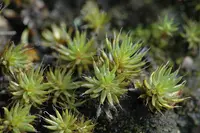
Create Micro-Terrain

When planting, shape the substrate into low mounds and shallow hollows so colonies can anchor on raised ridges while moisture collects in the dips, mimicking natural heathland conditions and improving long‑term vigor.

Control Competing Growth

Regularly pinch out invading grasses, seedlings, and lichens with tweezers rather than pulling large clumps by hand, which protects the shallow rhizoids and keeps the mat dense and uniform.

Seasonal Moisture Pause

In winter or during cool dormant spells, allow the surface to dry more between waterings and avoid constant saturation, which reduces the risk of rot in dense cushions and respects the plant’s natural seasonal rest.

Encourage Spore Set

If aiming to grow polytrichum moss over a larger area outdoors, avoid heavy foot traffic and brushing when capsules are present so spores can mature and disperse naturally into surrounding suitable substrate.

Common Pests and Diseases

springtail grazing

This pest is a tiny soil- and substrate-dwelling insect that can graze on tender moss shoots in constantly wet, organic-rich conditions. Symptoms include uneven thinning of cushions and very small bite-like damage on new growth.

Solution

Reduce excess organic debris, improve drainage, and allow the surface to dry slightly between heavy misting or flooding events while keeping overall humidity steady. If activity is high, briefly flush the colony with clean, cool, chlorine-free water and use yellow sticky traps or targeted biological controls such as soil-applied Bacillus thuringiensis products labeled for springtails, avoiding broad-spectrum chemicals that damage bryophytes.

fungal blight

This disease appears in over-saturated, stagnant air conditions as patches of brown, water-soaked, then collapsing shoots within the moss cushion. Symptoms include a sharp boundary between healthy green areas and dull brown, matted sections that may show a fine white or gray fungal growth under magnification.

Solution

Care for the colony by reducing long periods of standing water, using gentle but thorough flushing with clean water, and increasing air movement without strong, drying drafts. Remove and discard heavily affected clumps and any decaying organic material, then maintain a cooler environment with good airflow and indirect light to discourage further spread.

algal overgrowth

This problem develops as a green, sometimes slick surface film that coats the moss in containers or very nutrient-rich sites. Symptoms include reduced definition of individual shoots, slower growth, and a flat, shiny green layer that persists even after rinsing.

Solution

Decrease nutrient input by avoiding fertilizer and limiting contamination from soil, bark, or runoff, and increase light and airflow slightly without exposing the moss to full sun or drying. Gently rinse with soft, chlorine-free water and use a soft brush or tweezers to remove thick layers, then keep the substrate low in nutrients to favor growing Polytrichum piliferum over algae.

slime mold colonization

This issue appears as irregular patches or threads of bright yellow, white, or grayish plasmodium or crust moving over or drying on the moss surface. Symptoms include temporary smothering of shoots and localized browning where the organism covers the cushion for extended periods.

Solution

Improve ventilation and avoid heavy, continuous saturation that leaves organic particles decomposing on the surface. Physically lift or gently scrape off visible slime mold, flush the area with clean water, and thin dense mats slightly to reduce organic buildup while maintaining cool, evenly moist conditions.

rotifer and micrograzer damage

These microscopic animals can become abundant in long-flooded or nutrient-rich terraria, rasping moss leaf cells and tips. Symptoms include very fine, evenly nibbled shoot tips and a gradual, patchy thinning in areas that stay submerged or saturated for long periods.

Solution

Limit prolonged submersion and reduce dissolved nutrients by using distilled or rainwater and avoiding fertilizers or runoff from richer substrates. Briefly lowering water levels, improving air exchange, and occasionally flushing with fresh, cool water helps reset the microfauna balance and allows healthy shoot tips to regrow.

Interesting Facts

Red-tipped leaf hair

This moss forms distinctive white to reddish hair points at the tips of its leaves, which help reflect excess sunlight and reduce water loss on exposed sandy or rocky sites.

Sand stabilizing pioneer

It is one of the earliest colonizers of dry, nutrient-poor sand and gravel, where its dense mats trap particles and help stabilize soils, paving the way for other plants to establish.

Twisting drought response

In dry conditions, its narrow leaves twist tightly around the stem, greatly reducing surface area and limiting evaporation, then reopen when moisture returns.

Botan icon

Did you know?

This species often co-occurs with reindeer lichens in boreal and subarctic heathlands, together forming low, cushion-like carpets that create a distinct microclimate important for small invertebrates and seedling establishment.

FAQs about polytrichum moss

Growth is relatively slow. In suitable conditions it typically adds only a few millimeters of height per year and spreads gradually by spores and fragmentation. Stable moisture, cool temperatures, and low disturbance are important factors influencing growth speed.

Grow Healthy Plants with Botan Care

Keep your plants happy and healthy with plant identification, disease detection, and easy care guidance.

Botan plant care app — identify plants on mobile

Explore More Plants