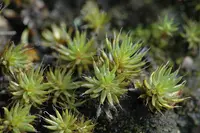
Spreading Threadwort Care (Cephaloziella divaricata)

Also known as: Common Threadwort
Spreading Threadwort

About Spreading Threadwort

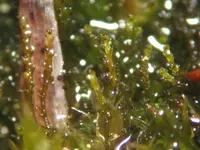
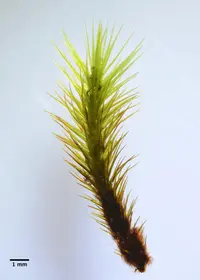
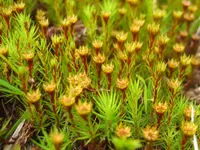
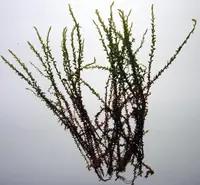
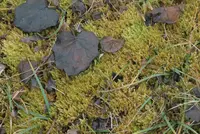
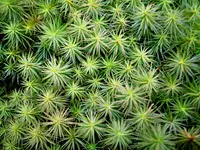
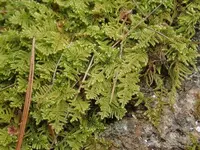
Spreading threadwort (Cephaloziella divaricata) is a tiny leafy liverwort, a non-vascular plant related to mosses. It forms low, loose mats of very fine, thread-like shoots. The plant often grows in cool, damp, and open habitats, such as wet rock faces, soil banks, and disturbed ground in temperate regions. Its small size and shallow anchoring make it sensitive to drying winds and strong sun. It prefers constant moisture, soft light, and stable, low-nutrient substrates, which can make indoor culture challenging. Anyone wanting to learn how to care for Spreading Threadwort should understand that it responds best to gentle conditions that mimic a shaded, humid outdoor microhabitat.


Main Plant Requirements

Care Difficulty

Hard Care

Light Preference

Shade

Water Requirements

Keep Soil Moist

Temperature Preference

Cold Hardy

Hardiness Zone

3–8

Soil Texture

Peaty, Silty, Organic-rich

Soil pH

Strongly acidic (4.5–5.5), Acidic (5.5–6.5)

Soil Drainage

Waterlogged tolerant

Fertilization

Minimal (feed rarely)

Get Personalized Care Plan

Scan your plant to receive care tips personalized for your specific plant

Available on iOS and Android

How to Care for the Spreading Threadwort

This tiny liverwort prefers low, cool light similar to its natural rocky or soil crevice habitats.

  • Provide bright shade or dappled light, such as under taller plants or on a north or east-facing slope; 1–3 hours of weak morning sun is acceptable, but avoid direct midday sun.
  • Spreading Threadwort tolerates deep shade but grows denser with filtered light; strong afternoon sun can scorch tissues and dry substrates too quickly.
  • In summer, protect from intense 10 a.m.–4 p.m. sun; in winter, allow slightly more open light if humidity stays high and substrate does not dry out.

This species needs consistently moist conditions and is sensitive to drying out.

  • Aim for a constantly damp but not waterlogged substrate; surfaces should feel moist to the touch, never crusted or dusty dry.
  • Increase watering frequency during warm, windy, or exposed periods, using gentle flows so the thin mats of Cephaloziella divaricata are not dislodged.
  • Reduce watering slightly in cooler seasons while keeping the substrate from drying completely; yellowing, translucent shoots suggest overwatering, while crisp, brown tips indicate underwatering.

This moss-like liverwort prefers cool to mild conditions rather than heat.

  • Optimal growth occurs around 45–65°F (7–18°C), especially in humid, shaded sites with stable moisture.
  • It tolerates brief drops near 25°F (-4°C) under natural insulation like leaf litter or snow, but exposed hard frost can desiccate and damage shoots.
  • Sustained temperatures above 75°F (24°C), especially with low humidity, stress the plant; provide extra shade and moisture during hot spells and better airflow, not strong sun, for cooling.

This small liverwort prefers cool, constantly moist, high-humidity conditions.

  • Aim for 70–90% humidity, mimicking damp rock or soil surfaces where Spreading Threadwort naturally grows.
  • Dry air causes brittle, pale, and shrinking shoots, often pulling away from the substrate edges.
  • Increase humidity with covered terrarium setups, frequent fine misting, and positioning near consistently damp substrates without direct waterlogging.

This species thrives on very thin, moist substrates rather than conventional potting soil.

  • Use a fine, organic-rich, moss-like substrate such as milled sphagnum mixed with finely crushed rock or sand for structure.
  • Ensure the layer is thin, evenly moist, and perched over a draining base so water can move through without pooling at the surface.
  • Slightly acidic conditions around pH 5.0–6.0 usually support healthier growth and prevent nutrient lockout.
  • Avoid dense, peat-only, or clay-based mixes that compact, stay waterlogged, and limit the delicate rhizoids’ access to air.

Cephaloziella divaricata can be grown in shallow containers or terraria when moisture and airflow are balanced carefully.

  • Choose wide, shallow trays so the thin substrate layer stays evenly moist without deep water accumulation.
  • Add a coarse drainage layer beneath the substrate to prevent capillary saturation and maintain a moist but not flooded surface.
  • Use inert, non-porous containers like glass or glazed ceramic when higher surface humidity and stable moisture levels are needed.

Cephaloziella divaricata is a tiny liverwort that usually thrives without added fertilizer, especially in nutrient-poor, natural substrates.

Cephaloziella divaricata needs almost no true pruning, only minor grooming to maintain healthy mats in cultivation.

This species is rarely potted; management focuses on gently transplanting or renewing its substrate when growth declines.

  • Consider transplanting when mats detach easily, substrate compacts, or growth becomes patchy despite adequate moisture.
  • Plan any move for cool, moist periods in spring or early fall to limit stress and desiccation.
  • Lift small clumps with a thin spatula or label, keeping attached substrate intact around the rhizoids.
  • Set clumps onto a fresh, low-nutrient, consistently moist surface and shade lightly until growth resumes.

Propagation of Cephaloziella divaricata is usually done by vegetative division rather than by spores in home or laboratory cultures.

  • Use tiny fragments of healthy mats, as this liverwort spreads naturally via creeping stems.
  • Carry out division in cool, humid conditions during spring or fall for better establishment.
  • Press fragments gently onto a moist, low-nutrient substrate without fully burying them.
  • Maintain high humidity, diffuse light, and very even moisture until new growth clearly anchors.

In temperate climates, Cephaloziella divaricata is generally cold hardy and needs minimal targeted winter care outdoors.

  • In exposed containers, maintain consistently moist but not waterlogged conditions as freeze–thaw cycles occur.
  • Place pots in a sheltered, shaded position to limit drying winter winds and rapid temperature swings.
  • Indoor cultures of Spreading Threadwort should stay cool, evenly moist, and out of direct heat sources.

Care Tips

Substrate surface choice

Grow this liverwort on rough, stable surfaces such as weathered rock, compacted sand, or clay tiles rather than loose potting mix, which helps its fine rhizoids anchor securely and prevents the colony from breaking apart during watering.

Fine-mist irrigation

Use a hand mister or very fine-rose watering can directed above and beside the mat, not directly onto it, to re-wet the surface gently and avoid physically displacing the delicate shoots.

Algae and moss control

If faster-growing mosses or green algae start to overrun the mat, lightly scrape or pinch them away with tweezers while the surface is damp, preserving small patches of Cephaloziella that can then recolonize the cleaned areas.

Modular colony culture

Establish the plant on several small tiles, shallow dishes, or rock pieces so individual colonies can be rotated between slightly different light and moisture microhabitats, improving long-term success when caring for Spreading Threadwort.

Seasonal moisture adjustment

In cooler, darker months allow the surface to become just barely less saturated between mistings, while during brighter, warmer periods increase misting frequency to prevent the thin shoots from desiccating.

Common Pests and Diseases

Desiccation damage

Symptoms include bleaching, crisping, and loss of green pigmentation in exposed patches during hot, dry, or windy weather. This condition is very common in small leafy liverwort mats growing on exposed soil, rock, or roofing substrates.

Solution

Reduce direct sun and wind exposure by providing light shade and maintaining more even surface moisture, especially during dry spells. Mist gently or water the substrate with a fine rose so the mat rehydrates without being physically disturbed, and avoid complete drying between waterings when attempting Spreading Threadwort indoor care.

Algal overgrowth

This disease appears as a slimy green film forming over the liverwort mat, often in persistently wet, nutrient-enriched sites. This film can smother shoots and reduce photosynthesis by blocking light.

Solution

Improve drainage and air circulation, and reduce fertilizer or nutrient runoff so surfaces do not stay saturated. Where algal crusts are thick, gently scrape or rinse the surface without tearing the mat, then adjust watering so the substrate is moist but not constantly waterlogged.

Fungal blight

This disease causes diffuse brown or black water-soaked areas in the thallus or leafy shoots, often starting in overly shaded, stagnant, or constantly wet patches. Affected tissue softens and may develop a faint musty odor.

Solution

Increase airflow, reduce overhead watering, and allow the surface to partially dry between waterings while keeping the substrate overall moist. Remove and discard obviously blighted patches with clean tools, then monitor nearby areas and correct any standing water or heavy shading that encourages fungal growth.

Slugs and snails

These pests feed on tender liverwort tissue, leaving irregular holes, shredded patches, and silvery slime trails across the mat. Damage is usually most noticeable after cool, damp nights.

Solution

Hand-pick slugs and snails during the evening or early morning and remove nearby hiding places such as boards and dense debris. In outdoor or greenhouse conditions, use iron phosphate bait placed away from the main mat and maintain slightly drier margins so conditions are less attractive to these mollusks.

Mite feeding

This pest problem presents as tiny pale or bronzed patches, reduced vigor, and a fine, roughened texture on close inspection of the shoots. These arthropods often build up under warm, dry, sheltered conditions on containers or greenhouse benches.

Solution

Increase ambient humidity slightly, and rinse the mat gently but thoroughly with clean water to dislodge mites without breaking it apart. If populations remain high, use a targeted insecticidal soap or horticultural oil at low concentration, applying with a fine mist and avoiding heavy drenching that could detach the delicate plant from its substrate.

Interesting Facts

Pioneer of metal wastes

This small liverwort often colonizes metal-contaminated mine spoil and industrial waste, forming early biological crusts on toxic, nutrient-poor substrates.

Microscopic oil bodies

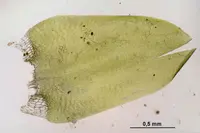
Its leaf cells contain tiny oil bodies, a diagnostic liverwort feature that helps bryologists identify the species under a microscope.

Highly variable growth form

It shows notable morphological variation in stem branching and leaf shape across different microhabitats, which has led to taxonomic difficulty and confusion with close relatives in the field.

FAQs about Spreading Threadwort

This species forms very low, creeping mats that can slowly expand over moist substrates, but it is not usually aggressive. It is small, fragile, and easy to control by gently lifting or scraping unwanted patches.

Grow Healthy Plants with Botan Care

Keep your plants happy and healthy with plant identification, disease detection, and easy care guidance.

Botan plant care app — identify plants on mobile

Explore More Plants