Mulch With Precision
Apply a 5–8 cm layer of pine bark or conifer needles around the root zone, keeping mulch 3–5 cm away from the stems to maintain cool, moist, acidic conditions and reduce weed competition.

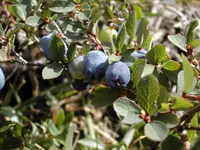
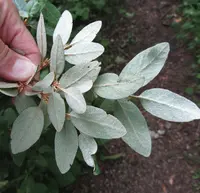
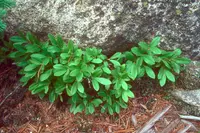
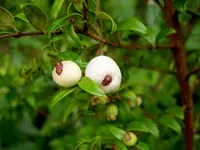
Bog blueberry (Vaccinium uliginosum) is a low, deciduous shrub known for its small, blue fruits and compact, bushy growth. It usually forms dense clumps in cool, open landscapes. Native to northern and alpine regions of North America, Europe, and Asia, it thrives in cold climates with acidic, moist, and often peaty soils. The plant prefers full sun to light shade and steady soil moisture rather than drought. It is generally hardy and long-lived but can be sensitive to alkaline soil, poor drainage, and high heat, which are key points when learning how to care for bog blueberry.

Care Difficulty
Moderate Care

Light Preference
Full Sun

Water Requirements
Regular Water

Temperature Preference
Cold Hardy

Hardiness Zone
2–6

Soil Texture
Sandy, Loamy, Peaty

Soil pH
Strongly acidic (4.5–5.5)

Soil Drainage
Moist but well-drained

Fertilization
Minimal (feed rarely)
Scan your plant to receive care tips personalized for your specific plant
Available on iOS and Android
This species prefers cool, bright conditions with moderate direct sun for best growth and fruiting.
Vaccinium uliginosum needs consistently moist, acidic, low-salt soil without becoming waterlogged.
This cold-climate shrub thrives in cool summers and tolerates significant winter frost.
This species prefers cool, moderately humid air but usually tolerates typical outdoor humidity in temperate climates.
This shrub needs consistently moist, acidic, organic-rich soil that mimics a cool bog or heathland.
This species can grow in containers if the pot is deep, stable, and allows sustained moisture without waterlogging.
Vaccinium uliginosum benefits from light, targeted feeding in acidic, low-nutrient soils, especially in containers.
Vaccinium uliginosum responds well to light structural pruning that maintains airflow and fruiting wood.
Bog blueberry is most often grown in the ground, so transplanting and site preparation matter more than frequent repotting.
Vaccinium uliginosum is commonly propagated from cuttings, sometimes layering, and less often from seed for home gardens.
This cold-hardy shrub generally manages winter well, but young or potted plants benefit from simple protection.

Plant Health Check
Not sure what's wrong with your plant? Check your plant's health inside the app.
Bog blueberry naturally occurs in cold, high-latitude and high-altitude regions across the Northern Hemisphere, often forming low, dense carpets in arctic tundra and subalpine heathlands where few other shrubs can survive.
The flowers and developing shoots show strong frost tolerance, allowing the plant to flower and set fruit reliably in climates with late spring frosts and short, cool summers.
This species thrives on acidic, nutrient-poor, often waterlogged soils by forming mycorrhizal associations, where fungi attached to its roots help it access scarce nutrients in exchange for sugars.

In parts of the Arctic and subarctic, indigenous communities have long relied on bog blueberry as a key wild fruit resource, carefully managing and revisiting traditional picking grounds over many generations due to the shrub’s reliability in harsh climates.
Poor flowering often comes from low light, insufficient soil acidity, or heavy pruning of 1–2-year-old wood where flower buds form. Late spring frosts can also damage buds. Balanced, low-nitrogen feeding supports consistent bloom production.
Keep your plants happy and healthy with plant identification, disease detection, and easy care guidance.