largeflower bellwort Care (Uvularia grandiflora)

Also known as: Large-flowered Bellwort
largeflower bellwort

About largeflower bellwort

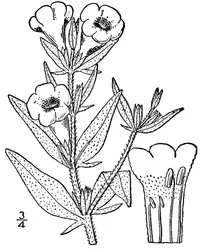
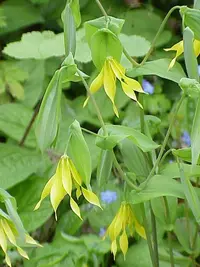
Largeflower bellwort, Uvularia grandiflora, is a woodland perennial native to eastern North America. It grows from rhizomes and forms graceful clumps over time. Its arching stems carry soft green leaves and nodding, pale yellow, bell-shaped flowers in spring, giving a natural, understated look to shade gardens. Plants die back after flowering and re-emerge the following year. This species prefers part to full shade, consistently moist but well-drained soil, and protection from harsh heat or wind. Once established, it is relatively low-maintenance. Gardeners who understand how to care for largeflower bellwort as a woodland plant usually find it dependable and long-lived in suitable conditions.

Main Plant Requirements

Care Difficulty

Moderate Care

Light Preference

Partial Shade

Water Requirements

Regular Water

Temperature Preference

Cold Hardy

Hardiness Zone

3–7

Soil Texture

Loamy, Silty, Organic-rich

Soil pH

Acidic (5.5–6.5), Slightly acidic (6.5–7.0)

Soil Drainage

Moist but well-drained

Fertilization

Minimal (feed rarely)

Get Personalized Care Plan

Scan your plant to receive care tips personalized for your specific plant

Available on iOS and Android

How to Care for the largeflower bellwort

This woodland perennial prefers soft, filtered light that mimics its native forest habitat.

  • Provide dappled shade or morning sun with afternoon shade, aiming for 2–4 hours of gentle direct light and bright, filtered shade the rest of the day.
  • Largeflower bellwort tolerates full shade but may flower less; in bright sites, protect it from harsh midday and late-afternoon sun to prevent leaf scorch.
  • In summer, canopy shade from trees is ideal, while in early spring more sun is acceptable before trees fully leaf out.

This plant prefers evenly moist, humus-rich soil that never stays waterlogged.

  • Water when the top 2–3 cm of soil feel dry, allowing moisture deeper in the soil to remain slightly damp, especially during active spring growth.
  • Ensure soil drains freely with added leaf mold or compost; prolonged standing water leads to root rot and yellowing, limp foliage.
  • Reduce watering needs after foliage starts to decline in late summer; wilting with dry soil signals underwatering, while soft, blackened roots indicate overwatering.

This hardy woodland plant is adapted to cool to mild outdoor temperatures and pronounced seasons.

  • Active growth is strongest in spring at 50–70°F (10–21°C), with foliage declining naturally as summer heat and dryness increase.
  • Established plants tolerate winter lows near 0°F (−18°C) in the ground, as dormant rhizomes are insulated by soil and leaf litter.
  • Heat above 85°F (29°C), especially with dry soil, can stress plants, so use mulch to keep roots cool and maintain moderate moisture.

This woodland perennial handles typical outdoor humidity ranges but benefits from slightly moist air in dry regions.

  • Aim for ambient humidity around 40–60% to mirror sheltered woodland conditions.
  • Plants tolerate short dry spells but may show crisped leaf tips and slower growth in very dry air.
  • In prolonged dry weather, increase local humidity by mulching the root zone and grouping plants near other shade perennials.

This species prefers loose, humus-rich woodland soil that stays evenly moist yet never waterlogged.

  • Use a loamy mix with high organic matter, such as garden loam blended with leaf mold or composted bark, to mimic forest floor conditions.
  • Ensure moderate drainage by adding 20–30% coarse sand or fine gravel where native soil is heavy or compacted.
  • Target slightly acidic to neutral pH, roughly 6.0–7.0, which supports nutrient availability and healthy root function in Uvularia grandiflora.
  • Avoid sticky clay, standing water, and heavily fertilized or very sandy mixes that dry out quickly and stress shallow roots.

This species can be grown in containers if the pot replicates cool, moist, woodland-like root conditions.

  • Choose a deep, shaded container position so the pot wall does not overheat and dry the fibrous root system.
  • Select a thick-walled or terracotta pot that moderates temperature swings while still allowing gradual moisture loss.
  • Fill the pot with a loose woodland-style mix and raise it slightly on feet or bricks to keep drainage holes clear after rain.

This woodland perennial needs only light feeding in rich, humusy soil, so focus on gentle support rather than heavy fertilizer use for largeflower bellwort.

  • Apply a thin layer of compost or leaf mold around clumps in early spring as new shoots emerge.
  • If growth appears weak, use a balanced, slow-release fertilizer (around 10-10-10) at low label rates once in spring.
  • For container-grown plants, use a half-strength balanced liquid fertilizer every 4–6 weeks during active growth.
  • Stop feeding by late summer and do not fertilize during dormancy in fall and winter.

Pruning Uvularia grandiflora is minimal and focuses on cleanup rather than shaping.

  • In late fall or very early spring, cut back dead or collapsed stems at ground level using clean, sharp hand pruners.
  • Remove any damaged or diseased foliage during the growing season to maintain plant health and airflow.
  • Thin out only badly crowded stems to prevent smothering of young shoots, keeping the natural clumping form.
  • Avoid heavy cutting during peak flowering, since removing fresh stems can reduce bloom display.

This species is best treated as a long-lived woodland clump, disturbed only when necessary for division or relocation.

  • Transplant clumps in early spring or early fall when soil is cool and moist, avoiding hot, dry weather.
  • Look for signs such as crowded clumps, reduced flowering, or slow growth before deciding to lift and move plants.
  • Divide carefully with a sharp knife or spade, keeping several buds and healthy roots on each division to limit stress.
  • Replant at the same depth in organic-rich, well-drained soil, water thoroughly, and keep evenly moist until re-established.

Propagation of Uvularia grandiflora is most reliable by division, with seed used mainly for patient growers or naturalizing.

  • Divide established clumps in early spring just as shoots appear, or in early fall after foliage declines.
  • Lift the clump carefully, then separate sections so each piece has firm roots and at least 1–2 buds.
  • Replant divisions promptly into moist, humus-rich soil, water well, and maintain even moisture while they re-root.
  • For seeds, sow fresh in a shaded cold frame or outdoors; they need prolonged cold and may take 1–2 years to germinate.

This cold-hardy woodland perennial generally requires little special winter care in the ground.

  • Plants tolerate typical winter frost and freezing in much of their range, with foliage naturally dying back.
  • Apply a 5–8 cm layer of leaf mold or shredded bark mulch after the ground cools to buffer freeze–thaw cycles.
  • For containers, move pots into a sheltered, unheated but frost-moderated spot and avoid waterlogged soil over winter.

Care Tips

Mark Dormant Clumps

Flag or label clumps in late spring while foliage is visible so autumn and winter clean-up does not disturb the underground rhizomes when the plant is dormant and invisible.

Use Light Leaf Mulch

Apply a loose mulch layer of shredded leaves or pine needles in fall to mimic woodland litter, keeping it 2–3 in away from the crown to reduce rot risk while stabilizing soil moisture.

Protect Emerging Shoots

In early spring, place low hoops or temporary twiggy branches over emerging shoots to shield them from late frosts, pet traffic, or accidental raking damage.

Divide Only When Necessary

Divide clumps in early fall only if flowering declines or centers die out, replanting divisions immediately at the same depth and watering well to re-establish fine feeder roots.

Monitor for Rabbits

Use low wire fencing or temporary barriers if rabbits are present, since young shoots are attractive to grazing animals and repeated browsing can weaken plants over several seasons when growing largeflower bellwort.

Common Pests and Diseases

Slugs and snails

This pest is strongly attracted to the tender spring shoots and flowers, often chewing irregular holes or completely removing young growth. Symptoms include shredded leaf edges, missing blossom parts, and slime trails on soil or mulch.

Solution

Hand-pick at dusk or early morning, use iron phosphate bait around clumps, and place coarse barriers like crushed eggshells or sharp gravel to reduce access. Keep mulch slightly pulled back from stems and avoid overwatering, as moist, dense groundcover favors slug activity when growing largeflower bellwort.

Leaf spot (fungal)

This disease causes small water-soaked or tan to brown spots on leaves that may enlarge and merge, giving foliage a scorched or blotchy look. Symptoms include premature yellowing and early leaf drop in humid, shaded sites with poor air circulation.

Solution

Remove and discard affected leaves and any heavily spotted stems, and avoid overhead watering so foliage dries quickly. Improve spacing and air movement, thin dense shade if possible, and apply a labeled copper- or chlorothalonil-based fungicide only if the problem recurs severely each year.

Powdery mildew

This disease appears as a white to gray, powdery coating on upper leaf surfaces, especially later in the growing season. Symptoms include distorted new leaves, reduced vigor, and a dull or grayish cast over the clump.

Solution

Increase airflow by thinning nearby plants and avoid wetting foliage late in the day. Remove the most affected leaves, water at soil level, and if needed treat early outbreaks with a horticultural oil or potassium bicarbonate product labeled for ornamental perennials.

Aphids

These insects cluster on young stems and the undersides of leaves, sucking sap and causing curling or distortion of new growth. Symptoms include sticky honeydew on foliage and the presence of ants tending the insects.

Solution

Spray colonies off with a firm stream of water, focusing on shoot tips and leaf undersides, and repeat as needed. For persistent infestations, use insecticidal soap or a light horticultural oil, applied thoroughly but in cool parts of the day to avoid leaf burn.

Foliar nematodes

This pest consists of microscopic worms that move in free water on leaves, feeding inside leaf tissue and causing angular, water-soaked patches that turn brown between veins. Symptoms include patchy, misshapen foliage and chronic thinning of clumps over several seasons.

Solution

Remove and discard symptomatic leaves and heavily affected clumps, and avoid overhead irrigation that keeps foliage wet. Replant only clean divisions in a new area with good drainage, and do not share divisions from suspect plants to prevent spreading the nematodes.

Interesting Facts

Spring woodland specialist

This species emerges and flowers early in spring, completing most of its annual photosynthesis before the tree canopy fully leafs out and reduces light to the forest floor.

Twisted yellow flowers

The nodding, bell-like flowers have long, twisted yellow tepals rather than separate petals and sepals, giving them a distinctive spiral look among North American woodland perennials.

Cloned by rhizomes

Plants spread slowly through underground rhizomes, often forming loose colonies that are made up of many genetically identical stems arising from the same clonal network.

Botan icon

Did you know?

The fruits are 3-angled, pod-like capsules that split open at maturity to release relatively large, fleshy seeds, which are often dispersed short distances by gravity and small animals moving across the forest floor.

FAQs about largeflower bellwort

Limited flowering usually comes from plants being too young, too crowded, or stressed. Division shock, recent transplanting, or heavy root disturbance can delay blooms for 1–2 seasons. Consistent moisture and undisturbed clumps help restore normal spring flowering.

Grow Healthy Plants with Botan Care

Keep your plants happy and healthy with plant identification, disease detection, and easy care guidance.

Botan plant care app — identify plants on mobile

Explore More Plants