Skinner's false foxglove Care (Agalinis skinneriana)

Also known as: Pale False Foxglove, Skinner’s agalinis
Skinner's false foxglove

About Skinner's false foxglove

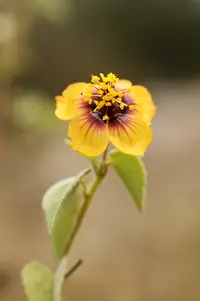
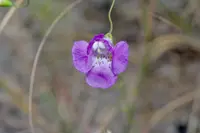
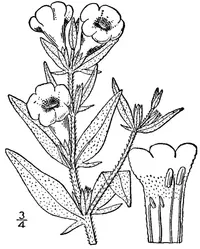
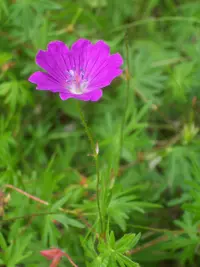
Skinner's false foxglove (Agalinis skinneriana) is a small, delicate annual wildflower native to prairies and open glades in parts of North America. It typically grows upright with fine, narrow leaves and scattered pink, tubular flowers along slender stems. The plant is partially parasitic, drawing some nutrients from nearby grasses through its roots, which can make it more challenging to cultivate in gardens. It usually prefers sunny, open sites with well-drained, often lean soils and consistent but not excessive moisture. Gardeners who want to learn how to care for Skinner's false foxglove should understand its natural prairie setting and its reliance on compatible host plants.

Main Plant Requirements

Care Difficulty

Hard Care

Light Preference

Full Sun

Water Requirements

Regular Water

Temperature Preference

Cool Climate

Hardiness Zone

4–8

Soil Texture

Sandy, Loamy

Soil pH

Acidic (5.5–6.5), Slightly acidic (6.5–7.0)

Soil Drainage

Moist but well-drained

Fertilization

Minimal (feed rarely)

Get Personalized Care Plan

Scan your plant to receive care tips personalized for your specific plant

Available on iOS and Android

How to Care for the Skinner's false foxglove

This annual prairie wildflower needs abundant direct light to complete its life cycle and flower well.

  • Provide 6–8 hours of direct sun daily; open prairie or meadow exposures are ideal for Skinner's false foxglove.
  • Plant where it receives strong morning sun and at most light afternoon shade; dense shade for more than 3–4 hours reduces flowering and weakens stems.
  • In late summer, avoid competition from taller plants that cast heavy shade, as prolonged low light leads to spindly growth and fewer seeds.

This species prefers consistently moist but not saturated soil, especially during early growth and flowering.

  • In the ground, water only when the top 3–5 cm of soil feel dry and foliage looks slightly less firm, then water deeply to wet the root zone.
  • Use well-drained sandy or loamy soil; standing water for more than 24 hours, yellowing leaves, or a sour smell indicate overwatering and root stress.
  • During hot, dry periods increase watering frequency, but in cool or rainy weather reduce or skip watering so the soil surface can dry between soakings for Agalinis skinneriana.

This North American annual is adapted to warm growing seasons and does not tolerate hard frost.

  • Active growth and flowering occur best at 70–85°F (21–29°C); germination is reliable once soils warm consistently above about 60°F (16°C).
  • Mature plants can handle short hot spells up to about 90–95°F (32–35°C) if soil moisture is maintained, but prolonged heat with drought will shorten the blooming period.
  • Light frost near 32°F (0°C) usually ends the life cycle; seeds overwinter in the soil, so protection focuses on seed set before regular freezes in autumn.

This prairie annual handles a wide humidity range and does not need special air moisture control.

  • Thrives at 30–60% humidity typical of outdoor conditions in much of its native range.
  • Tolerates brief drier air without damage as long as soil moisture is appropriate.
  • Humidity stress appears mainly as dull, prematurely yellowing foliage combined with heat and drought, so prioritize even soil moisture over humidity adjustments.
  • If air is extremely dry and hot, use a light mulch to reduce evaporative stress around the root zone.

This species prefers lean, open, often sandy soil that stays aerated and drains quickly.

  • Use a gritty, low-organic mix such as 50–70% coarse sand with the rest loam and minimal compost to match native prairie or glade conditions.
  • Ensure sharp drainage; water must not stand in the container or planting site, or roots decline and growth stalls.
  • Aim for slightly acidic to neutral pH around 6.0–7.0, which supports nutrient uptake without encouraging lush, weak growth.
  • Avoid heavy clay, peat-heavy, or constantly moist mixes; improve any dense soil with coarse sand and small gravel to increase porosity and oxygen around roots.

This species is generally unsuitable for long-term container culture, performing best in open ground or restoration-style plantings.

This hemiparasitic wildflower typically grows in poor soils and usually needs no fertilizer under natural or meadow-style conditions.

Pruning needs for Agalinis skinneriana are minimal and mainly focused on end-of-season cleanup in managed plantings.

  • Cut back dead or damaged stems in late fall or very early spring using clean hand pruners.
  • Remove broken or diseased growth promptly during the growing season to limit stress and pathogen spread.
  • Light thinning of crowded stems after flowering can improve air movement and maintain a more open, tidy form.

This species is rarely kept in containers and is best handled as a field- or meadow-grown wildflower rather than a frequently transplanted garden perennial.

  • Transplant only young seedlings in early spring when roots are not yet extensive or heavily attached to host plants.
  • Choose a well-drained, low-fertility site and avoid disturbing the root zone once plants establish.
  • Water gently but thoroughly after transplanting to settle soil around roots and reduce transplant shock.
  • Skip frequent moving or division, as disruption of the root system can shorten plant life and reduce flowering.

Propagation of Agalinis skinneriana is usually done from seed and can be challenging because of its hemiparasitic relationship with host grasses or forbs.

  • Collect ripe seed in late summer to early fall as capsules dry and begin to open.
  • Sow seed on the soil surface in fall or very early spring, allowing natural cold exposure to aid germination.
  • Position seed near suitable host plants in low-fertility, well-drained soil to support long-term growth.
  • Keep the seed zone evenly moist, not waterlogged, until seedlings establish around compatible hosts.

This annual wildflower completes its life cycle in 1 season, so established plants do not need overwinter protection.

  • Allow some seed heads to mature and shatter naturally to support self-sowing for the next year.
  • In colder regions, leaving dried stems standing until late winter can help mark plant locations and aid reseeding.
  • Container-grown plants are uncommon; if attempted, focus on preserving seed rather than trying to overwinter the plant itself.

Care Tips

Host plant planning

Plan planting near compatible native warm-season grasses or forbs instead of in isolated beds, as this hemiparasitic species benefits from attaching to nearby roots for water and nutrients.

Minimal soil disturbance

Avoid tilling, deep weeding, or frequent hoeing around established plants because root disturbance can break the fine haustorial connections to host plants and sharply reduce vigor.

Seed bank management

Allow some spent flower stalks to remain until seed capsules fully dry and shatter, helping maintain a self-sustaining seed bank in restoration plantings or naturalized areas.

Targeted weed control

Control aggressive weeds by spot-cutting or hand pulling rather than broadcast herbicide or sheet mulching, which can remove potential host species and lower long-term stand density.

Site-scale monitoring

Monitor plant numbers and flowering across the whole patch each season, then adjust mowing or burn timing and any adjacent management based on where populations are expanding or declining when growing Skinner's false foxglove.

Common Pests and Diseases

Rust fungus

This disease causes small orange to brown pustules on leaves and stems, often leading to premature yellowing and leaf drop in late summer. Symptoms include reduced vigor and sparse flowering in stressed plants growing in crowded prairie remnants.

Solution

Remove and destroy heavily infected stems before spores spread, and avoid overhead watering in managed plantings. Maintain good spacing and airflow around plants, and in conservation or restoration settings, encourage diverse native grasses and forbs that reduce dense, humid leaf canopies where rust develops easily.

Powdery mildew

This disease appears as a white, powdery film on leaves and stems during warm, humid periods, especially in partly shaded or wind-sheltered prairie edges. Symptoms include distorted new growth and reduced photosynthesis, which can weaken flowering in already fragmented populations.

Solution

Improve air circulation by reducing competing vegetation directly crowding the plants and avoid overhead irrigation in gardens or seed production plots. Remove and discard the most affected shoots, and if repeated outbreaks occur in cultivation, use a sulfur or potassium bicarbonate fungicide labeled for ornamental natives, applied following label directions and timed to early symptoms.

Aphids

These insects cluster on tender stems and flower stalks, sucking plant sap and excreting sticky honeydew that can attract sooty mold. Symptoms include curling leaves, stunted shoot tips, and deformed flower buds on stressed plants.

Solution

Use a strong stream of water to dislodge colonies from stems, repeating every few days as needed, and encourage natural predators such as lady beetles by avoiding broad-spectrum insecticides in surrounding habitat. In nursery or garden settings, apply insecticidal soap or a light horticultural oil directly to the aphids, fully coating the insects while avoiding application during high heat above about 85°F.

Leaf spot complex

This disease presents as scattered brown to purplish lesions on leaves, sometimes with pale centers, which may coalesce and cause partial defoliation during wet weather. Symptoms include thinning foliage and reduced vigor, especially in dense stands or low-lying prairie swales with prolonged leaf wetness.

Solution

Remove and dispose of heavily spotted leaves and spent stems at the end of the season to reduce overwintering inoculum. In cultivation or seed-production plots, improve drainage and plant spacing, and if disease pressure remains high, consider a rotation of labeled broad-spectrum ornamental fungicides applied preventively when extended wet periods are forecast, as part of broader Agalinis skinneriana plant care in managed settings.

Interesting Facts

Hemiparasitic lifestyle

This species is hemiparasitic, meaning it photosynthesizes but also taps into neighboring plant roots with specialized structures called haustoria to draw additional water and nutrients, especially from prairie grasses and forbs.

Specialized prairie habitat

It is strongly tied to open, dry to mesic prairies and glades on thin, often calcareous or sandy soils, which helps explain its sharp decline as native tallgrass prairie has been converted or overgrown by woody vegetation.

Annual with timing strategy

The plant is an annual that relies on a persistent seed bank in the soil; seeds germinate only when light and soil conditions in intact prairie are suitable, so populations can appear sparse or absent for several years and then re-emerge when habitat conditions improve.

Botan icon

Did you know?

Skinner's false foxglove is considered regionally rare or endangered in several US states because of its strict dependence on high-quality, minimally disturbed prairie remnants, making it an indicator of relatively intact tallgrass prairie ecosystems.

FAQs about Skinner's false foxglove

This species typically flowers from late summer into early fall. Individual blooms last only a few days, but new buds open in succession, so a well‑grown plant can appear in bloom for several weeks.

Grow Healthy Plants with Botan Care

Keep your plants happy and healthy with plant identification, disease detection, and easy care guidance.

Botan plant care app — identify plants on mobile

Explore More Plants