


Glove-safe handling
Always wear sturdy gloves and long sleeves when handling this plant, since the spines can easily puncture skin and the sap may irritate sensitive individuals.

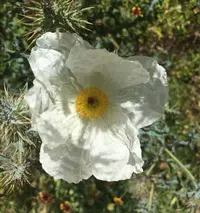
Bluestem pricklypoppy (Argemone albiflora) is an annual or short-lived perennial wildflower native to the south-central United States, especially Texas prairie and roadside habitats. It belongs to the poppy family and is adapted to hot, dry conditions.
The plant forms an upright, branching clump with spiny, blue-green leaves and large white flowers with bright yellow centers. Its stems and leaves are armed with sharp prickles, which discourage browsing animals.
This species thrives in full sun and lean, well-drained, often sandy or rocky soils, and it tolerates drought once established. Those who want to learn how to care for bluestem pricklypoppy should know it prefers low to moderate water and does poorly in heavy, wet ground.

Care Difficulty
Easy Care

Light Preference
Full Sun

Water Requirements
Low Water

Temperature Preference
Warm Climate

Hardiness Zone
7–11

Soil Texture
Sandy, Loamy, Rocky

Soil pH
Neutral (7.0), Slightly alkaline (7.0–7.5)

Soil Drainage
Well-drained

Fertilization
Minimal (feed rarely)
Scan your plant to receive care tips personalized for your specific plant
Available on iOS and Android
Argemone albiflora thrives in strong, direct sun typical of open, dry habitats.
This species is highly drought-tolerant and prefers infrequent, deep watering once established.
This plant is adapted to hot, dry regions and prefers warm to hot growing conditions.
Humidity is not a significant factor for Argemone albiflora, which prefers dry air and arid conditions.
This species prefers lean, fast-draining, mineral soils and struggles in rich, wet conditions.
This species can be grown in containers if the pot is set up to drain very quickly and stay dry between waterings.
Argemone albiflora, or bluestem pricklypoppy, usually needs minimal fertilization in average, well-drained soil.
Argemone albiflora benefits from light, targeted pruning to maintain safety and appearance.
This species is usually grown in the ground, so focus on careful transplanting rather than frequent repotting.
This plant is most reliably propagated from seed rather than by division or cuttings.
Mature plants are fairly cold hardy in much of their range and usually need little dedicated winter care.

Plant Health Check
Not sure what's wrong with your plant? Check your plant's health inside the app.
This species produces a yellow, bitter latex and sharp leaf spines that deter most grazing animals, giving it a strong advantage in open rangelands and roadsides of the south-central United States.
Native populations in Texas and nearby states often germinate and flower rapidly after spring or early-summer rains, then set seed before intense heat and drought return.
Its spiny capsules release many small, hard seeds that are easily carried along by runoff in ditches and ephemeral streams, helping the plant colonize disturbed, seasonally wet habitats.

Historical records show that ranchers in the south-central United States have long considered this species an indicator of overgrazed or disturbed rangeland, because it often increases in abundance where native grasses have been heavily reduced.
All parts of this species contain toxic alkaloids that can affect the nervous and digestive systems if eaten. Sap may irritate skin or eyes. Keep away from children, pets, and grazing animals, and avoid ingesting any part.
Keep your plants happy and healthy with plant identification, disease detection, and easy care guidance.

Achillea leptophylla
Achillea leptophylla
sacred datura
Datura wrightii
Thyme-leaved Sandwort
Arenaria serpyllifolia
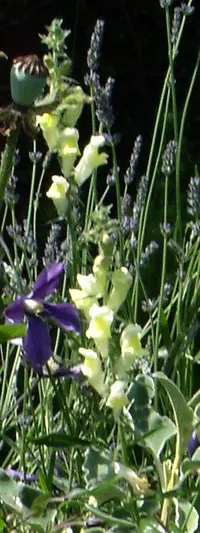
Antirrhinum braun-blanquetii
Antirrhinum braun-blanquetii
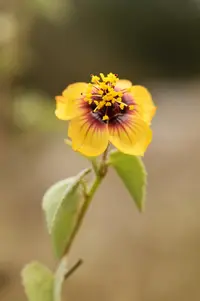
anglestem Indian mallow
Abutilon trisulcatum
Himalayan blackberry
Rubus armeniacus
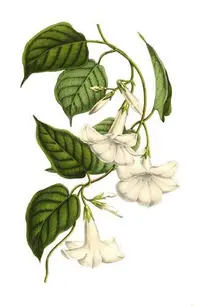
Chilean jasmine
Mandevilla laxa
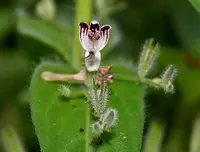
false waterwillow
Andrographis echioides