Thyme-leaved Sandwort Care (Arenaria serpyllifolia)

Also known as: Sandwort, Thymeleaf Sandwort
Thyme-leaved Sandwort

About Thyme-leaved Sandwort

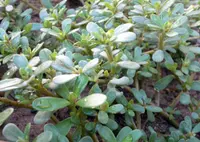
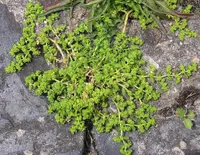
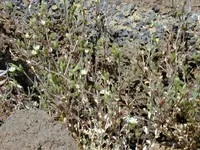
Thyme-leaved sandwort (Arenaria serpyllifolia) is a small annual herb in the carnation family, often found in dry, open, and disturbed sites. It forms low, branching mats with tiny opposite leaves and small, white, star-shaped flowers.

This species is native to Europe but is now widespread in many temperate regions, including North America, where it often appears as a casual lawn or garden weed. It is generally easy to grow and tolerate, as it adapts to poor, sandy, or gravelly soils and needs only moderate moisture.

Gardeners who want to care for Thyme-leaved Sandwort should know it prefers open, sunny positions and does best where competition from taller plants is low.

Main Plant Requirements

Care Difficulty

Easy Care

Light Preference

Full Sun

Water Requirements

Low Water

Temperature Preference

Cold Hardy

Hardiness Zone

3–8

Soil Texture

Sandy, Loamy, Rocky

Soil pH

Slightly acidic (6.5–7.0), Neutral (7.0)

Soil Drainage

Well-drained

Fertilization

Minimal (feed rarely)

Get Personalized Care Plan

Scan your plant to receive care tips personalized for your specific plant

Available on iOS and Android

How to Care for the Thyme-leaved Sandwort

This low-growing annual prefers open, bright conditions similar to dry meadows and sparse grassland.

  • Provide 6–8 hours of direct sun daily; morning to early afternoon sun suits Thyme-leaved Sandwort best in most temperate climates.
  • Tolerates light partial shade, especially in hot summers, but dense shade leads to weak, elongated growth and fewer flowers.
  • In very intense summer sun, slight afternoon shade or thin filtered light reduces leaf scorch and moisture stress, especially on shallow, stony soils.

This species prefers dry to slightly moist conditions and is adapted to well-drained, often poor soils.

  • Water only when the top 2–4 cm of soil feel dry; allow the soil to dry between waterings to mimic its natural habitat.
  • Choose sharply drained, gritty or sandy soil so excess water runs off quickly and roots do not sit in stagnant moisture.
  • Signs of overwatering include yellowing, soft stems, and possible rot at the base; underwatering shows as limp foliage that recovers quickly after light watering.

This hardy annual tolerates a wide temperature range typical of open, temperate sites.

  • Optimal growth occurs around 55–70°F (13–21°C), especially in cool spring and early summer conditions.
  • Plants survive light frosts down to about 25°F (-4°C); hard freezes below this can kill above-ground growth but seeds usually persist.
  • During hot spells above 85°F (29°C), growth slows and flowering may reduce, especially if soil dries completely and roots lack light shade from nearby vegetation.

Humidity is rarely a concern for this drought-adapted species.

This species prefers lean, mineral soils that drain very quickly.

  • Use a sandy or gritty mix such as 50–70% coarse sand or fine gravel blended with a low-organic potting substrate.
  • Aim for slightly acidic to neutral pH, around 6.0–7.5, avoiding strongly acidic peat-heavy mixes.
  • Improve aeration and drainage by adding perlite or small grit so water does not sit around the roots after rain or watering.
  • Avoid compacted, clay-rich, or waterlogged soils, which promote root rot and reduce the plant’s natural drought tolerance.

This low, spreading plant can be grown in shallow containers or troughs outdoors.

  • Choose a wide, shallow pot to match its mat-forming habit and prevent the substrate from staying wet in deeper layers.
  • Use a very free-draining gritty mix so water exits within seconds of watering, preventing prolonged saturation near the crown.
  • Select unglazed terracotta or other porous materials to speed evaporation in wet climates and keep roots drier.

This species typically grows in low-nutrient sites, so Arenaria serpyllifolia needs minimal fertilization in gardens or containers.

  • Use a light application of compost or a low-strength balanced NPK fertilizer (such as 5-5-5) in early spring only if growth appears weak or very pale.
  • Dilute liquid fertilizer to 25–50% strength to avoid forcing soft, leggy growth that is prone to disease.
  • Apply fertilizer no more than 1–2 times during the active growing season, then stop feeding in late summer.
  • Avoid fertilizing in winter or dormancy; excess nutrients at this time can stress roots and upset natural growth rhythms.

Pruning Arenaria serpyllifolia is mainly a matter of light grooming to maintain a neat, low mat of foliage.

  • Trim back spent flowering stems in late spring or early summer to keep the plant compact and encourage a fresh flush of growth.
  • Remove dead, damaged, or diseased shoots as soon as noticed, cutting just above healthy tissue with clean, sharp scissors or snips.
  • Lightly shear or pinch back overly long or crowded stems to maintain shape and prevent the mat from becoming patchy.
  • Disinfect tools before and after use when plants show disease symptoms to reduce the spread of pathogens.

This species is usually grown in the ground, so focus on careful transplanting rather than frequent repotting.

  • Transplant Arenaria serpyllifolia in early spring or early fall when temperatures are mild and soil is evenly moist, not waterlogged.
  • Look for signs such as slow growth, roots circling a small plug, or the plant heaving out of shallow soil as indicators that moving is needed.
  • Lift plants with a small soil clump, disturbing roots as little as possible, and replant at the same depth in free-draining, sandy or gritty soil.
  • Water gently after transplanting to settle soil around roots, then keep evenly moist for 1–2 weeks to reduce transplant shock.

This annual or short-lived species is most often renewed from seed rather than long-term division or cuttings.

  • Sow seeds of Arenaria serpyllifolia in fall or very early spring outdoors, allowing natural cold exposure to break dormancy.
  • Choose a sharply drained, sandy or gritty substrate and press seeds lightly into the surface, as they benefit from some light for germination.
  • Keep the seedbed just moist, not wet, until seedlings emerge, then thin crowded patches to reduce competition and disease risk.
  • Allow some plants to set and drop seed at the end of the season to encourage self-sowing in suitable sites.

This small annual is naturally cold tolerant in many regions and usually needs little dedicated winter care outdoors.

  • Established plants and self-sown seedlings tolerate frost, especially in well-drained, gritty soil that does not stay saturated.
  • In very exposed or windy sites, a light mulch of coarse gravel around the root zone helps limit heaving and soil erosion.
  • Container-grown plants in cold climates can be moved to a cold frame or unheated shelter to avoid waterlogging and repeated freeze-thaw cycles.

Care Tips

Encourage Low Mats

Lightly pinch back the longest stems before flowering to encourage denser, low-growing mats that suppress weeds and reduce moisture loss from the soil surface.

Gravel Mulch Edge

Apply a very thin (0.5–1 cm) layer of fine gravel around the outer edge of the patch to stabilize soil, improve drainage at the crown, and limit splash that can spread fungal spores.

Timed Disturbance Control

If you want to limit self-seeding, gently hoe or hand-rake the surface right after flowering finishes but before seed capsules dry, so most seeds are removed before they harden and disperse.

Patch Renewal Strategy

Every 2–3 years, collect seed from the healthiest plants and re-sow into freshly loosened, low-fertility ground nearby to maintain vigorous, youthful colonies instead of relying on aging patches.

Compact Habitat Design

When growing Thyme-leaved Sandwort in a designed area, group it with other short, drought-tolerant species so taller, more competitive plants do not shade it out or overtake its spreading habit.

Common Pests and Diseases

Powdery mildew

This disease causes a white, powdery film on leaves and stems, often during warm days with cool, humid nights. Symptoms include distorted growth and a dull, greyed appearance of foliage in dense patches of this plant.

Solution

Remove heavily infected stems, thin overcrowded patches, and avoid overhead watering to keep foliage dry. Improve air movement, reduce excess nitrogen fertilization, and if needed apply a sulfur or potassium bicarbonate fungicide labeled for ornamental groundcovers, following all label directions.

Rust

This disease produces small orange to brown pustules on leaf undersides, with yellowing areas above. Symptoms include premature leaf drop in moist, crowded stands of the plant.

Solution

Cut and remove affected foliage to reduce spore load, and avoid prolonged leaf wetness by watering at soil level. Promote airflow by reducing plant density, and apply a targeted rust fungicide if the problem recurs, rotating active ingredients to limit resistance.

Leaf spot

This disease causes small brown or purplish spots that may merge into larger blotches on leaves, especially in cool, damp conditions. Symptoms include thinning mats and reduced vigor in affected patches.

Solution

Remove and discard spotted leaves and plant debris, then reduce evening watering so foliage dries quickly. Improve drainage, avoid overhead irrigation, and apply a broad-spectrum ornamental fungicide if spotting continues to spread despite cultural corrections.

Aphids

These insects cluster on tender stems and flower stalks, sucking sap and causing curling, yellowing, or stunted growth. This pest also excretes sticky honeydew that can attract sooty mold on dense mats.

Solution

Dislodge colonies with a firm stream of water, and encourage or introduce natural predators such as lady beetles where appropriate. For persistent infestations, use insecticidal soap or a light horticultural oil, making sure to cover stems and leaf undersides and repeating as needed according to the product label.

Spider mites

This pest feeds on plant sap, causing fine stippling, a faded or dusty look to leaves, and in heavier infestations, fine webbing between stems. Symptoms include overall loss of vigor during hot, dry weather, particularly on sun-exposed patches.

Solution

Increase humidity around the planting if possible and rinse foliage regularly with water to remove mites. For ongoing problems, apply insecticidal soap or a horticultural oil to all leaf surfaces, repeating treatments and reducing drought stress as part of broader Arenaria serpyllifolia plant care.

Interesting Facts

Thyme-scented foliage

When crushed, the tiny leaves release a faint thyme-like aroma, which is reflected in the common name thyme-leaved sandwort, even though it is not closely related to true thyme (Thymus species).

Early-season colonizer

This annual species often appears very early in spring on disturbed, sandy, or compacted soils, quickly completing its life cycle before denser vegetation shades it out.

Tiny four-petaled flowers

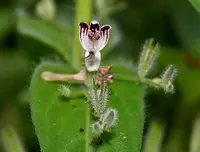
Its white flowers appear to have 10 petals at a glance, but each petal is so deeply divided that a closer look reveals only 5 bifid petals and 5 sepals, a typical feature within the carnation family Caryophyllaceae.

FAQs about Thyme-leaved Sandwort

This species self-seeds readily and can form loose patches, especially in open, disturbed soil or sandy sites. It is not usually aggressive in healthy, dense plantings but can appear as a minor lawn or garden weed.

Grow Healthy Plants with Botan Care

Keep your plants happy and healthy with plant identification, disease detection, and easy care guidance.

Botan plant care app — identify plants on mobile

Explore More Plants