Achillea leptophylla Care

Achillea leptophylla

About Achillea leptophylla

Achillea leptophylla is a small, herbaceous perennial in the daisy family, known for its finely divided, feathery foliage and flat-topped flower clusters. It typically forms low clumps and produces upright flowering stems that give a light, airy look in mixed plantings.

This species is native to dry, open habitats, often in steppe or rocky grassland regions, so it is naturally adapted to sun, wind, and relatively poor soils. Once established, it tends to be drought tolerant and generally undemanding, which makes it straightforward to care for Achillea leptophylla in well-drained soil with good light exposure.

Main Plant Requirements

Care Difficulty

Easy Care

Light Preference

Full Sun

Water Requirements

Low Water

Temperature Preference

Cold Hardy

Hardiness Zone

4–8

Soil Texture

Sandy, Loamy, Rocky

Soil pH

Slightly acidic (6.5–7.0), Slightly alkaline (7.0–7.5)

Soil Drainage

Well-drained

Fertilization

Minimal (feed rarely)

Get Personalized Care Plan

Scan your plant to receive care tips personalized for your specific plant

Available on iOS and Android

How to Care for the Achillea leptophylla

This yarrow prefers bright, open conditions to flower well and stay compact.

  • Provide 6–8 hours of direct sun daily; full sun promotes dense growth and abundant blooms in Achillea leptophylla.
  • Plant where it receives strong morning sun and can tolerate hot afternoon sun, though very intense heat in dry climates may benefit from light afternoon shade.
  • In light shade (3–4 hours sun), stems may stretch and flowering declines, so choose the sunniest, unshaded spot, especially from spring to midsummer.

This species is drought-tolerant and prefers soil that dries between waterings.

  • Water only when the top 4–6 cm of soil feels completely dry, then soak the root zone thoroughly and allow excess water to drain away.
  • Use sharply drained, sandy or gravelly soil; persistent wet or clay conditions increase the risk of root rot and weak, floppy growth in Achillea leptophylla.
  • Reduce watering in cool seasons, watching for wilting, crisp foliage, or poor flowering as signs of underwatering, and yellowing or soft stems as indicators of excess moisture.

This hardy perennial tolerates a wide temperature range once established.

  • Optimal growth occurs around 65–80°F (18–27°C) during the growing season, with strong sun and moderate air movement.
  • Mature plants typically survive down to about 0–5°F (-18 to -15°C) in well-drained soil, especially when crowns are not exposed to winter wet and ice.
  • Heat tolerance is good up to about 90–95°F (32–35°C) if soil is not waterlogged; extreme, prolonged heat with drought may reduce flowering until cooler weather returns.

This species is adapted to dry air and usually does not need humidity management in typical home or outdoor conditions.

Achillea leptophylla needs lean, mineral-rich soil that drains quickly and never stays wet for long.

  • Use sandy or gritty loam with at least 40–60% sharp sand, grit, or small gravel to keep pores open.
  • Aim for slightly alkaline to neutral pH around 7.0–7.8; avoid strongly acidic mixes that weaken growth.
  • Blend a small amount of well-rotted compost into the top layer only, keeping the overall mix low in organic matter.
  • Avoid heavy clay, peat-heavy, or compacted soils; improve drainage by raising the bed or forming low mounds.

This species can be grown in containers if the pot is set up to stay dry and airy around the roots.

  • Choose a wide, shallow container to match its spreading, fibrous roots and prevent water collecting at depth.
  • Use a gritty, fast-draining mix and elevate the pot on feet so runoff clears quickly from the drainage holes.
  • Select a heavier clay or concrete pot in windy sites to keep the top growth from tipping the container over.

This species is adapted to low-fertility soils, so Achillea leptophylla needs only light feeding in cultivation.

  • Use a balanced, slow-release fertilizer or a thin layer of compost in early spring as growth resumes.
  • Apply at low strength, around half the label rate, to avoid lush, floppy foliage and reduced flowering.
  • Feed once per growing season in average garden soil; skip feeding on very rich or heavily amended beds.
  • Do not fertilize in late fall or winter, when growth is minimal or dormant.

Pruning Achillea leptophylla is mainly done to maintain compact growth and extend blooming.

  • Deadhead fading flower heads in summer to encourage additional blooms and a tidier appearance.
  • Cut back spent flowering stems to a low mound after peak bloom to refresh foliage and shape.
  • Remove dead, damaged, or crowded stems at the base using clean, sharp hand pruners.
  • In late winter or very early spring, trim any remaining old stems to make space for new growth.

Transplanting is more common than repotting for this perennial, which prefers open, well-drained soil.

  • Move plants in early spring or early fall, when temperatures are mild and stress is lower.
  • Choose a sunny site with gritty, free-draining soil and avoid rich, heavy, or waterlogged spots.
  • Transplant clumps every 3–5 years if flowering declines or centers become woody and sparse.
  • Lift with a generous soil ball, replant at the same depth, then water once to settle roots and reduce shock.

Multiplying Achillea leptophylla is straightforward using division or seeds under suitable conditions.

  • Divide mature clumps in early spring or early fall, ensuring each division has healthy shoots and roots.
  • Replant divisions promptly in well-drained soil, then water lightly until established but not waterlogged.
  • Sow seeds in late winter to early spring on the surface of a gritty seed mix, as light aids germination.
  • Maintain 60–70°F and moderate moisture; transplant seedlings once they have several true leaves.

This hardy perennial usually needs minimal winter care in temperate climates.

  • Achillea leptophylla tolerates typical frosts once established, especially in well-drained soil.
  • In colder regions, apply a light mulch layer after the ground cools to buffer root temperature fluctuations.
  • Avoid heavy, wet mulch against the crown, which can encourage rot over winter.
  • Container-grown plants in very cold areas can be overwintered in a sheltered, unheated but frost-sheltered spot.

Care Tips

Encourage Bushy Clumps

Pinch or lightly shear back young flower stems by 3–5 cm early in the season to promote denser, more compact clumps that resist lodging in wind and rain.

Staggered Cutting Schedule

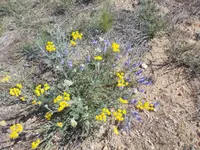
Cut some flowering stems early for drying and leave others to mature, which extends visual interest, supports pollinators, and spreads the plant’s energy demand over several weeks when growing Achillea leptophylla.

Drying For Seed

Mark the strongest, most floriferous stems and let them dry fully on the plant for seed collection, then bag and label these stems to preserve desirable traits for future sowing.

Targeted Pest Monitoring

Inspect the fine foliage and flower stems weekly during warm, dry spells for aphids and leafhoppers, and use a firm water spray or a horticultural soap treatment at first sight to prevent population buildup.

Lean-Growth Management

If plants start to flop in richer soils, carefully remove some outer stems after flowering and top-dress with coarse grit or sand to slightly stress the plant, which encourages sturdier, more self-supporting growth.

Common Pests and Diseases

Powdery mildew

This disease produces white, floury patches on leaves and stems, often in warm days with cool, humid nights. Symptoms include distorted foliage and reduced flowering if the infection is heavy.

Solution

Remove and discard the most affected shoots, avoid overhead watering, and improve spacing and airflow around clumps. In humid climates, use a sulfur or potassium bicarbonate fungicide at the first sign of infection, following label rates, as part of general Achillea leptophylla care instructions.

Botrytis blight

This disease causes brown, water-soaked spots on leaves and flower heads that quickly develop gray, fuzzy mold, especially in cool, damp weather. Symptoms include blighted flower clusters that collapse and become slimy.

Solution

Cut off and destroy all affected flower stems and foliage, then thin the plant to improve air circulation and keep the crown dry. Avoid wetting the foliage, water early in the day, and consider an approved biofungicide if wet, cool conditions persist.

Aphids

These insects cluster on young stems and flower stalks, sucking sap and excreting sticky honeydew that can attract sooty mold. This pest may cause curled, distorted growth and reduced vigor in young plants.

Solution

Spray stems and flower stalks with a strong stream of water to dislodge colonies, and pinch off heavily infested tips. If needed, apply insecticidal soap or a light horticultural oil, coating all sides of stems and buds, and encourage natural predators such as lady beetles by avoiding broad-spectrum insecticides.

Spittlebugs

These insects hide inside frothy white masses on stems, where they feed on plant sap and may cause slight distortion of young growth. This pest is usually more unsightly than damaging but can reduce plant quality when populations are high.

Solution

Simply wash off the foam masses with a firm spray of water, repeating every few days until no new spittle appears. In more persistent cases, remove affected stems and dispose of them, and keep nearby weeds down, since they can host spittlebug nymphs.

Leaf spot complex

This disease group causes small brown or purple spots on lower leaves that can merge into larger blotches, leading to premature leaf yellowing and drop in humid or wet conditions. Symptoms include thinning foliage at the base of the clump while flower stems remain mostly unaffected at first.

Solution

Remove spotted leaves promptly and keep the base of the plant free of dead foliage and debris to limit spore buildup. Water at soil level, not over the top, and if leaf spots recur in wet seasons, apply a labeled ornamental fungicide early in the season to protect new growth.

Interesting Facts

Fine, threadlike foliage

This species is named leptophylla, meaning thin-leaved, due to its very narrow, threadlike leaves that give the plant a delicate, feathery texture compared with broader-leaved yarrows.

Localized native range

It has a much more restricted natural distribution than the common yarrow Achillea millefolium, occurring in specific steppe and dry meadow habitats rather than being widespread across large regions.

Adapted to dry steppe

The slender leaves and compact growth are thought to reduce water loss, an adaptation to the seasonally dry and often windswept open habitats where this species typically occurs.

FAQs about Achillea leptophylla

This species spreads moderately by short rhizomes and self-seeding, but is not usually aggressive in well-managed beds. Deadheading spent flower heads and lifting unwanted seedlings once a year keeps clumps within their intended area.

Grow Healthy Plants with Botan Care

Keep your plants happy and healthy with plant identification, disease detection, and easy care guidance.

Botan plant care app — identify plants on mobile

Explore More Plants