Encourage Woody Structure
Pinch or lightly tip-prune young shoots in late spring to promote a bushier, more wind-resistant framework that withstands exposed, dry sites better over time.

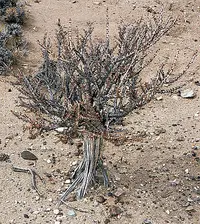
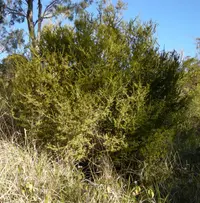
Acantholippia seriphioides is a small, woody shrub from very dry, high-altitude regions of Argentina and Chile. It belongs to the mint family and forms low, dense cushions. The plant has tiny, aromatic leaves and short, branching stems that often look gray-green, especially in exposed, rocky sites. In season, it produces small, pale flowers that attract insects. This species is adapted to intense sun, poor mineral soils, and very limited moisture, which can make it challenging in humid or rich garden settings. Those who want to care for Acantholippia should aim to replicate its dry, sunny, sharply drained habitat as closely as possible.

Care Difficulty
Moderate Care

Light Preference
Full Sun

Water Requirements
Low Water

Temperature Preference
Warm Climate

Hardiness Zone
8–11

Soil Texture
Sandy, Loamy, Rocky

Soil pH
Slightly acidic (6.5–7.0), Slightly alkaline (7.0–7.5)

Soil Drainage
Well-drained

Fertilization
Minimal (feed rarely)
Scan your plant to receive care tips personalized for your specific plant
Available on iOS and Android
This dwarf shrub prefers high light in open, dry sites similar to its native habitat.
This species is strongly drought-adapted and prefers infrequent, deep watering in fast-draining soil.
This shrub is adapted to dry, sunny climates with warm days and cool, not severe, winters.
This species comes from arid habitats and usually does not require elevated humidity.
Acantholippia seriphioides prefers very free-draining, mineral-rich soil that mimics rocky, semi-desert conditions.
This species can be grown in containers if the pot and substrate are chosen to keep roots dry and well aerated.
This drought-adapted shrub from arid habitats needs minimal feeding, so focus on lean, well-drained soil rather than rich fertilizer programs.
Acantholippia seriphioides benefits from light structural pruning to maintain a compact, flowering shrub and remove stressed growth.
This species is more often grown in the ground, where careful transplanting matters more than frequent repotting.
Propagation of Acantholippia seriphioides is usually done by semi-woody cuttings or seed, timed to mild seasons.
This shrub is relatively cold hardy in dry, exposed sites but benefits from modest winter protection in cooler regions.

Plant Health Check
Not sure what's wrong with your plant? Check your plant's health inside the app.
This woody subshrub is native to arid, high-elevation regions of the central Andes in Chile and Argentina, where it grows on rocky, nutrient-poor slopes exposed to intense solar radiation and strong winds.
Its tiny, scale-like leaves and young stems contain abundant essential oils, giving the whole plant a strong resinous scent that helps reduce water loss and may deter herbivores in its native dry habitats.
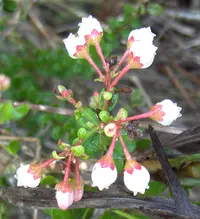
The plant produces small, white to pale pink tubular flowers clustered at the tips of shoots, often blooming under relatively dry conditions when many other species in its habitat are less active.

In its native range, this species is frequently used by local communities to prepare strongly scented herbal infusions, and its leaves have been a traditional component of regional ethnobotanical practices documented in Chilean and Argentine highland cultures.
This species performs best outdoors in dry, sunny, well-drained locations. It tolerates heat, poor rocky soils, and drought. Indoors it often becomes weak and leggy due to lower light and reduced air movement, so Acantholippia indoor care is challenging.
Keep your plants happy and healthy with plant identification, disease detection, and easy care guidance.