Promote woody structure
Pinch back only soft new tips in the first 1–2 seasons to encourage a dense, woody framework that better withstands wind and snow in dry climates.

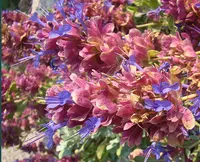
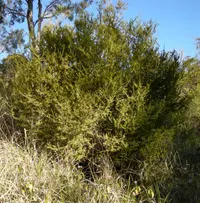
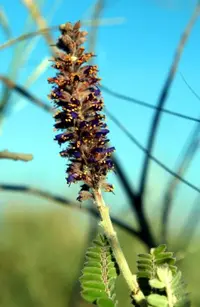
Blue sage, Salvia pachyphylla, is a compact, woody perennial shrub valued for its aromatic gray-green leaves and dense spikes of violet to blue flowers. It typically forms a rounded mound and brings strong color and fragrance to dry gardens.
This species is native to high, dry regions of California and adjacent parts of the southwestern United States, where it grows in rocky, well-drained soils. Its drought tolerance and preference for full sun make it suited to low-water landscapes, but it dislikes heavy, wet conditions.
Gardeners who care for blue sage should note that it thrives with good air movement and lean soil, which help keep the plant healthy and long lived.

Care Difficulty
Moderate Care

Light Preference
Full Sun

Water Requirements
Low Water

Temperature Preference
Cold Hardy

Hardiness Zone
5–9

Soil Texture
Sandy, Loamy, Rocky

Soil pH
Slightly acidic (6.5–7.0), Slightly alkaline (7.0–7.5)

Soil Drainage
Well-drained

Fertilization
Minimal (feed rarely)
Scan your plant to receive care tips personalized for your specific plant
Available on iOS and Android
Salvia pachyphylla thrives in strong, direct sun typical of arid, high-elevation habitats.
This species is highly drought-tolerant and prefers infrequent, deep watering in fast-draining soil.
This sage is adapted to hot, dry summers and cool, often cold, winters with low humidity.
Humidity is rarely a concern for Salvia pachyphylla, which is adapted to very dry air.
Salvia pachyphylla needs very fast-draining, mineral-rich soil to prevent root rot.
This species can be grown in containers if excellent drainage and a very lean mix are provided.
Salvia pachyphylla is adapted to lean, rocky soils and needs only light feeding in cultivation.
Pruning Salvia pachyphylla keeps the shrub compact and encourages better flowering.
This species is usually grown in the ground and resents frequent disturbance of its root system.
Salvia pachyphylla is commonly propagated from semi-ripe cuttings or seeds under controlled conditions.
This sage is quite cold hardy in dry climates but benefits from some winter preparation, especially in containers.

Plant Health Check
Not sure what's wrong with your plant? Check your plant's health inside the app.
This species is naturally restricted to high-elevation, arid mountain habitats in California and Nevada, often growing on exposed rocky slopes where many other shrubs cannot survive.
Its thick, grayish, aromatic leaves have a dense layer of hairs and waxes that reduce water loss and reflect strong sunlight, an adaptation to intense UV and drought at high altitudes.
The plant produces dense terminal spikes of purple calyces with violet flowers that are highly attractive to hummingbirds, which act as primary pollinators in its native range.

This species is considered a local endemic of the eastern Sierra Nevada and adjacent ranges, meaning it occurs naturally only in a relatively small geographic area and contributes to the unique botanical character of those mountain ecosystems.
Lack of flowers usually comes from too much shade, excess nitrogen fertilizer, or pruning at the wrong time, which removes developing buds. Allow full maturity, avoid heavy feeding, and lightly trim only after flowering to support better blooming.
Keep your plants happy and healthy with plant identification, disease detection, and easy care guidance.