leadplant Care (Amorpha canescens)

leadplant

About leadplant

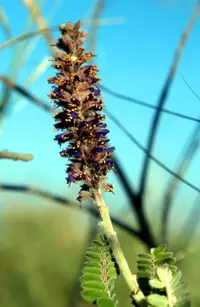
Leadplant, Amorpha canescens, is a small deciduous shrub native to North American prairies and open plains. It is commonly found in dry, sunny grasslands and sandy or rocky soils. This plant forms low, bushy clumps with many fine, gray-green leaflets that give it a soft, silvery look. In summer, it produces upright spikes of small purple flowers with bright orange anthers. Leadplant is adapted to drought, poor soils, and extreme temperatures, which makes it a durable choice for low-input gardens. Its deep root system helps it survive challenging conditions, so learning how to care for leadplant is straightforward once its need for sun and well-drained soil is understood.

Main Plant Requirements

Care Difficulty

Easy Care

Light Preference

Full Sun

Water Requirements

Low Water

Temperature Preference

Cold Hardy

Hardiness Zone

2–9

Soil Texture

Sandy, Loamy, Rocky

Soil pH

Slightly acidic (6.5–7.0), Slightly alkaline (7.0–7.5)

Soil Drainage

Well-drained

Fertilization

Minimal (feed rarely)

Get Personalized Care Plan

Scan your plant to receive care tips personalized for your specific plant

Available on iOS and Android

How to Care for the leadplant

This North American prairie shrub thrives in open, bright sites with strong sun exposure.

  • Provide 6–8 hours of direct sun daily; full sun promotes compact growth and abundant flowering.
  • Tolerates light afternoon shade, especially in hotter regions, but dense shade leads to weak stems and sparse blooms in leadplant.
  • In early establishment, protect from intense reflected heat; once mature, it handles high summer sun, though prolonged drought plus extreme sun can cause leaf scorch.

This deep-rooted prairie species prefers dry to moderately dry conditions once established.

  • Allow soil to dry so the top 5–8 cm are fully dry before watering, especially in the first 1–2 growing seasons.
  • Use very well-drained, sandy or rocky soil; standing water, slow-draining clay, or frequent light watering encourages root rot in Amorpha canescens.
  • In established plants, rely mostly on rainfall; water only during extended drought when foliage wilts or youngest leaves start to curl.

This hardy perennial shrub is adapted to wide outdoor temperature swings in temperate climates.

  • Active growth is strongest around 70–85°F (21–29°C), with good performance in normal spring and summer conditions.
  • Cold-hardy to about -30°F (-34°C) in the ground; top growth may die back, but roots usually survive and resprout in spring.
  • Handles hot spells up to about 95°F (35°C) if soil is not waterlogged; brief late frosts can nip new shoots but rarely kill established plants.

This species is highly drought-adapted and performs best in dry to moderately dry air, so humidity management is usually unnecessary.

This deep-rooted prairie shrub prefers dry, lean, very well-drained soils and does poorly in compacted or waterlogged conditions.

  • Use sandy or sandy-loam soil with high mineral content and minimal added organic matter to mimic native prairie conditions.
  • Aim for slightly acidic to slightly alkaline pH around 6.0–8.0, since Amorpha canescens tolerates a broad pH range.
  • Improve drainage and aeration by blending coarse sand or fine gravel into native soil before planting, especially in heavier sites.
  • Avoid rich, peat-heavy, or clayey mixes that hold water, as these promote weak growth and increase root-rot risk.

This species can be grown in containers short term, but long-term performance is limited by its deep taproot.

  • Select a tall, deep pot to accommodate the developing taproot and reduce circling roots near the base.
  • Use a very free-draining, gritty mix with added coarse sand or small gravel so water passes quickly through the root zone.
  • Choose a heavy or weighted container to prevent wind tipping as the woody stems become larger and more top-heavy over time.

This drought-adapted prairie shrub needs only light feeding, as leadplant thrives in lean soils and hosts nitrogen-fixing bacteria on its roots.

  • Apply a thin layer of compost or well-rotted manure in early spring to support moderate growth.
  • If desired, use a low-rate, slow-release balanced fertilizer (around 10-10-10) once in spring only.
  • Avoid summer and fall feeding, which can stimulate soft growth vulnerable to winter damage.
  • Never exceed label rates; overly rich soil reduces stress tolerance and can encourage weak, lanky shoots.

Pruning Amorpha canescens is mainly done to maintain a healthy framework and encourage flowering on well-lit wood.

  • Schedule structural pruning for late winter or very early spring before new growth starts.
  • Remove dead, damaged, rubbing, or crossing stems with clean, sharp bypass pruners.
  • Thin crowded interior branches to improve air flow and light penetration through the shrub.
  • Shorten excessively long shoots lightly to refine shape while preserving most flowering wood.

This deep-rooted prairie shrub is usually grown in the ground, so focus on careful transplanting rather than frequent repotting.

  • Transplant young plants in early spring or fall when temperatures are mild and soil is workable.
  • Look for signs like a pot-bound root ball, roots circling the container, or stalled growth before moving container-grown shrubs.
  • Handle the taproot gently, loosening outer roots without tearing the central root, to limit transplant shock.
  • Set in a well-drained site at the same depth, water thoroughly, then keep soil slightly moist until new growth resumes.

Amorpha canescens is most often propagated from seed, with some growers also using semi-hardwood cuttings.

  • Collect ripe seed in late summer, then sow outdoors in fall or stratify 30–60 days at 35–40°F before spring sowing.
  • Use a fast-draining, sandy mix, keep evenly moist but never waterlogged, and provide full sun for seedlings.
  • Take semi-hardwood stem cuttings in mid to late summer, using a rooting hormone to improve success rates.
  • Maintain cuttings in bright, indirect light with high humidity until firm roots form, then harden off gradually.

This species is very cold hardy and usually needs minimal winter care in the ground across most temperate regions.

  • Plants tolerate frost and subfreezing temperatures once established, even in exposed prairie sites.
  • In colder or windy locations, apply a 5–8 cm layer of mulch around the root zone after soil cools.
  • For container-grown shrubs, move pots to a sheltered, unheated area to prevent repeated freeze–thaw of the root ball.

Care Tips

Deep root establishment

During the first 1–2 growing seasons, give one slow, deep soak every 1–2 weeks in dry weather to encourage a taproot that can later handle drought with little or no supplemental water.

Minimal competition zone

Keep a 30–45 cm weed- and turf-free ring around the base, especially in the first 2–3 years, so the young plant does not have to compete for moisture while establishing its root system.

Targeted stem support

In windy or exposed sites, place 1–2 low, unobtrusive stakes with soft ties around outer stems rather than a single central stake, which stabilizes the shrub while still allowing natural movement and form.

Seed pod management

If you want to limit self-seeding, shear or hand-cut the spent flower spikes once pods start to form, leaving the rest of the shrub intact to maintain structure and foliage interest.

Inoculate new plantings

At planting time, lightly dust or mix the backfill soil with a native prairie legume inoculant so the roots form nitrogen-fixing nodules more quickly, which improves overall vigor when growing leadplant in poor soils.

Common Pests and Diseases

Leaf spot fungi

This disease causes small brown to dark purple spots on older leaves, sometimes merging into larger blotches during wet weather. Symptoms include premature leaf yellowing and early leaf drop on lower stems in crowded plantings.

Solution

Remove and discard heavily spotted leaves to reduce spore sources, and avoid overhead irrigation so foliage dries quickly. Improve air circulation by spacing plants properly, and in persistent, severe cases use a labeled broad-spectrum fungicide during prolonged wet periods, especially in late spring and early summer.

Powdery mildew

This disease appears as a white to gray powdery coating on leaves and young stems, usually during warm days and cool, humid nights. Symptoms include distorted new growth and a dull, faded look to the foliage.

Solution

Increase sun exposure and airflow around plants by thinning nearby vegetation and avoiding dense overcrowding. Remove and discard heavily infected shoots, water at soil level in the morning, and use a labeled sulfur or potassium bicarbonate spray if powdery mildew recurs in the same site each year.

Nodule-feeding weevils

These insects target nitrogen-fixing root nodules, leading to reduced vigor, pale foliage, and stunted growth over time. This pest is more common in sites with repeated plantings of legumes and poor soil diversity.

Solution

Rotate planting areas so leadplant is not repeatedly grown in the same legume-heavy bed and encourage soil predators such as ground beetles by maintaining diverse, minimally disturbed soil. Where plants show repeated decline and nodules are visibly damaged, remove and destroy affected root systems and consider introducing leadplant into mixed native plantings rather than solid blocks, which helps reduce weevil pressure.

Leaf-chewing beetles

These insects create irregular holes and notches in leaves, giving the foliage a tattered appearance, especially on younger shrubs in open prairie-style plantings. This pest usually appears in flushes and may coincide with nearby herbaceous legumes.

Solution

Hand-pick adult beetles in the early morning and drop them into soapy water, and encourage birds and beneficial insects by maintaining some native plant diversity around the shrubs. For young or heavily defoliated plants, use a targeted low-toxicity product such as spinosad on the foliage in the evening, following label directions and avoiding open blooms to protect pollinators.

Interesting Facts

Nitrogen-fixing prairie shrub

This species forms nodules on its roots that house nitrogen-fixing bacteria, allowing it to enrich poor prairie soils and support surrounding plant communities.

Deep, drought-resilient roots

Its root system can extend several meters into the soil, giving it high drought tolerance and helping stabilize sandy or eroding prairie sites.

Specialist pollinator support

The dense purple flower spikes produce abundant nectar and pollen that are especially important for native solitary bees and some specialist insect species in prairie ecosystems.

Botan icon

Did you know?

This plant is considered a high-value indicator species of relatively intact tallgrass and mixed-grass prairies, so its presence often signals a remnant or well-restored native grassland habitat.

FAQs about leadplant

Sparse or absent flowering often comes from too much shade, overly rich or wet soil, or plants that are still juvenile. Ensure full sun, lean well-drained soil, and avoid high-nitrogen fertilizer to support reliable summer blooms.

Grow Healthy Plants with Botan Care

Keep your plants happy and healthy with plant identification, disease detection, and easy care guidance.

Botan plant care app — identify plants on mobile

Explore More Plants