Establish wide mulch
Apply a 5–8 cm deep ring of leaf mold or shredded bark extending at least 60–90 cm beyond the trunk to keep roots cool, conserve moisture, and reduce weed competition without piling mulch against the bark.

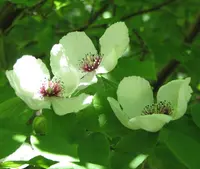
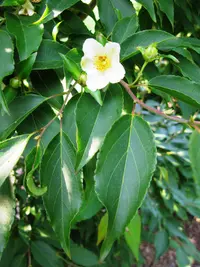
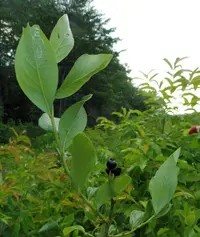
Silky camellia, Stewartia malacodendron, is a small deciduous tree or large shrub valued for its showy spring to early summer flowers. It typically has a graceful, layered branching structure with dark green leaves that turn attractive shades in autumn.
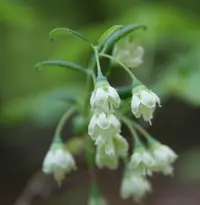
The plant is native to the southeastern United States, where it grows in woodland edges and along stream banks. Flowers are white with a dark purple to blue center, giving a refined, camellia-like look.
This species can be somewhat demanding, as it prefers consistent moisture, protection from harsh afternoon sun, and acidic, well-drained soil. Gardeners who learn how to care for silky camellia often value it as a long-lived specimen tree.

Care Difficulty
Moderate Care

Light Preference
Partial Shade

Water Requirements
Regular Water

Temperature Preference
Cool Climate

Hardiness Zone
6–9

Soil Texture
Loamy, Silty, Organic-rich

Soil pH
Strongly acidic (4.5–5.5), Acidic (5.5–6.5)

Soil Drainage
Moist but well-drained

Fertilization
Minimal (feed rarely)
Scan your plant to receive care tips personalized for your specific plant
Available on iOS and Android
This species prefers bright, gentle light that mimics an open woodland edge.
This tree likes steadily moist but not saturated soil, especially during establishment.
This species thrives in climates with moderate summers and cool, not severe, winters.
This species prefers moderate, woodland-like humidity rather than very dry air.
Provide consistently moist, acidic, well-drained soil that mimics a light woodland loam.
This species can be grown in containers for several years, especially as a patio specimen in cooler climates.
This species benefits from light, targeted feeding but grows acceptably in fertile, undisturbed soil.
Stewartia malacodendron needs only light, careful pruning to maintain its natural outline and health.
This tree is best grown in the ground; transplanting should be infrequent and planned carefully to minimize root disturbance.
Stewartia malacodendron is typically propagated by semi-hardwood cuttings or seed, but both methods require patience and close control of conditions.
This species is moderately cold hardy in much of its range and usually needs only simple winter care in the landscape.

Plant Health Check
Not sure what's wrong with your plant? Check your plant's health inside the app.
The flowers have deep purple to blue filaments and dark anthers that contrast with the white petals, an unusual color combination among North American members of the tea family (Theaceae).
This species occurs in scattered, localized populations from Virginia to Florida and Alabama, often restricted to specific moist, acidic woodland habitats rather than forming continuous stands.
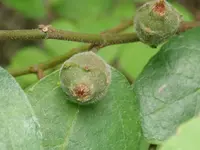
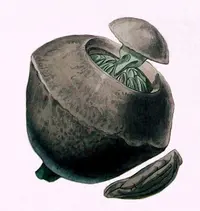
The nodding, open flowers are primarily pollinated by bees that are active in dappled forest light, and the plant sets woody, capsule-like fruits that release a small number of hard seeds.

Stewartia malacodendron is considered uncommon and is listed as endangered, threatened, or of special concern in several U.S. states because habitat loss and forest alteration have reduced many of its naturally small, scattered populations.
Poor flowering usually comes from insufficient light, young age, or stress from drought, root disturbance, or heavy pruning. Avoid fertilizing with high-nitrogen products, keep soil evenly moist, and protect roots from overheating or waterlogging to support bud formation.
Keep your plants happy and healthy with plant identification, disease detection, and easy care guidance.