tall stewartia Care (Stewartia monadelpha)

Also known as: orangebark stewartia
tall stewartia

About tall stewartia

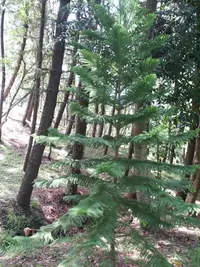
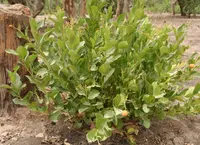
Tall stewartia (Stewartia monadelpha) is a small, slow-growing deciduous tree valued for its smooth, peeling bark and refined, upright habit. It typically forms a narrow, elegant canopy with small, glossy leaves that develop strong red to orange fall color.

This species is native to Japan, where it grows in woodland and mountain areas, which explains its preference for cool roots and consistent moisture. The bark shows mottled shades of cinnamon and gray, adding year-round visual interest.

Tall stewartia is considered a high-quality ornamental tree but can be somewhat demanding, as it dislikes drought, heat stress, and poorly drained soils. Gardeners who learn how to care for tall stewartia usually focus on providing partial shade, even moisture, and slightly acidic, humus-rich soil.

Main Plant Requirements

Care Difficulty

Moderate Care

Light Preference

Partial Shade

Water Requirements

Moderate Water

Temperature Preference

Cold Hardy

Hardiness Zone

6–8

Soil Texture

Loamy, Sandy, Organic-rich

Soil pH

Strongly acidic (4.5–5.5), Acidic (5.5–6.5)

Soil Drainage

Moist but well-drained

Fertilization

Minimal (feed rarely)

Get Personalized Care Plan

Scan your plant to receive care tips personalized for your specific plant

Available on iOS and Android

How to Care for the tall stewartia

This deciduous tree prefers bright, gentle light that avoids harsh afternoon extremes.

  • Provide 4–6 hours of morning sun with light afternoon shade; eastern or northeastern exposure suits tall stewartia best.
  • Tolerates partial shade, especially in hotter regions, but dense shade reduces flowering and can cause leggy growth.
  • In summer, protect from strong afternoon sun to prevent leaf scorch; in winter, increased sun exposure is beneficial when leaves are absent.

This species prefers evenly moist, cool soil that never stays saturated.

  • Water when the top 3–5 cm of soil feel dry, aiming for deep soaking rather than frequent light splashes, especially during the first 2–3 establishment years.
  • Ensure soil drains well; prolonged puddling, sour odor, or limp yellowing leaves suggest overwatering and possible root stress.
  • In hot, dry periods, increase watering and mulch 5–8 cm deep; in cool, rainy seasons, reduce watering and allow slower surface drying.

This tree is adapted to temperate climates with cool winters and mild to warm summers.

  • Optimal growth occurs around 60–80°F (16–27°C), with steady moisture and protection from extreme heat.
  • Stewartia monadelpha is generally hardy to about -10°F (-23°C) once established, though young trees benefit from wind protection and mulch in cold snaps.
  • In hot spells above 90°F (32°C), provide extra shade and soil moisture to reduce heat stress and avoid leaf scorch, especially on exposed sites.

This species prefers moderate outdoor humidity and usually does not need special intervention.

  • Ideal humidity is around 40–60%, which is typical in many temperate gardens.
  • Tolerates short dry spells but prolonged very dry air with hot winds can cause leaf edge browning and premature leaf drop.
  • For young tall stewartia plants in exposed sites, increase local humidity with a bark mulch layer and wind protection rather than misting.

Stewartia monadelpha grows best in evenly moist, humus-rich, acidic soil with reliable drainage.

  • Use a loamy structure with plenty of organic matter, such as a mix of garden loam, leaf mold or composted bark, and sharp sand for structure.
  • Aim for a slightly acidic pH of 5.0–6.5, avoiding limy or alkaline soils that can cause nutrient lockout and chlorotic, pale foliage.
  • Ensure drainage is steady but not rapid by incorporating fine pine bark or leaf mold, which holds moisture while keeping pores open for root aeration.
  • Avoid heavy, compacted clay or spots that collect standing water; if drainage is marginal, create a raised bed or mound the planting area 10–15 cm above grade.

This tree can be grown in containers for several years, mainly in cooler climates and with careful moisture management.

  • Choose a tall, heavy pot that is at least 45–60 cm deep so the developing root system has enough vertical space and the container remains stable in wind.
  • Select thick-walled clay or concrete containers if possible, as they moderate moisture swings and help prevent the root zone from overheating in sun.
  • Use a fast-draining, bark-based woody plant mix so water moves through quickly while coarse particles keep air pockets around the roots.

Stewartia monadelpha benefits from light, targeted feeding but grows acceptably in average, humus-rich soil without heavy fertilizer use.

  • Use a balanced slow-release fertilizer (around 8-8-8 to 10-10-10) or well-rotted compost once in early spring as new growth starts.
  • Apply a second light application in mid-summer only if growth is weak or soil is poor, keeping granules away from the trunk flare.
  • Always use fertilizers at 50–75% of the label rate to avoid root burn on this relatively sensitive, fine-rooted tree.
  • During fall and winter dormancy, do not apply fertilizer; focus instead on maintaining an even soil moisture level.

Stewartia monadelpha needs only light, selective pruning to maintain a natural, layered form and healthy canopy.

  • Carry out structural pruning in late winter to very early spring, before bud break, to reduce stress and bleeding sap.
  • Use clean, sharp bypass pruners or loppers to remove dead, diseased, or storm-damaged branches back to healthy wood.
  • Thin out crossing, rubbing, or inward-growing shoots to improve light penetration and air flow without over-opening the canopy.
  • Limit cuts on older wood; favor small diameter cuts that gently refine shape so flowering and attractive bark display remain strong.

This species is usually grown in the ground, so management focuses on careful transplanting rather than frequent repotting.

  • Transplant young trees in early spring or early fall when soil is cool and moist, avoiding hot, dry periods that increase stress.
  • Look for signs such as circling roots in containers, slow or stunted growth, or a rootball that dries out rapidly as cues to move or up-pot.
  • When lifting a tall stewartia, keep as much of the rootball intact as possible and handle by the root mass, not the trunk, to protect fine feeder roots.
  • Replant at the same depth in a wide, well-prepared hole, backfill gently, water deeply, then mulch 5–8 cm to stabilize moisture while roots re-establish.

Stewartia monadelpha is typically propagated by semi-hardwood cuttings or seed, both of which demand patience and controlled conditions.

  • Take semi-hardwood cuttings in mid to late summer, 8–12 cm long, from non-flowering shoots with firm but still flexible wood.
  • Insert cuttings into a free-draining medium such as 1:1 perlite and peat or coco coir, using bottom heat (70–75°F) and high humidity for rooting.
  • Use a rooting hormone on cut ends and provide bright, indirect light; maintain evenly moist, not waterlogged, media to prevent rot.
  • Sow seeds after cold stratification (60–90 days at 34–41°F), then grow on in containers for several years before outdoor planting.

This species is generally cold hardy in suitable climates and usually needs only modest winter care once established in the landscape.

  • Tolerates typical cold in USDA zones around 5–8, but young trees benefit from extra root-zone protection in their first 2–3 winters.
  • Apply a 5–8 cm mulch layer over the root area in late fall, keeping it a few cm away from the trunk to prevent rot.
  • In windy or exposed sites, use a breathable wrap or windbreak around young stems to limit bark damage and desiccation.
  • Container-grown plants in colder regions should be moved to an unheated garage or sheltered area to keep roots above severe freezing.

Care Tips

Mulch for roots

Apply a 5–8 cm layer of shredded bark or leaf mold over the root zone each spring, keeping it 5–8 cm away from the trunk, to keep roots cool, conserve moisture, and reduce weed competition.

Protect decorative bark

Avoid string trimmers and lawn mowers near the trunk and use a dedicated mulched ring so the decorative cinnamon bark is not scarred, which reduces entry points for disease.

Gentle structural training

In the first 3–5 years, use soft, wide ties on stakes or anchors to guide the main stem and key branches into a balanced, open framework, checking yearly to loosen or remove ties before they constrict the bark.

Manage root competition

Keep turfgrass and aggressive groundcovers at least 60–90 cm away from the trunk so the tree’s fine feeder roots can access water and nutrients without constant competition, which is important for growing tall stewartia successfully.

Summer moisture check

During hot, dry spells, dig a small test hole 10–15 cm deep at the dripline every 7–10 days to confirm soil is evenly moist but not saturated before deciding whether deep irrigation is needed.

Common Pests and Diseases

Leaf spot

This disease causes irregular tan to brown spots that may develop purple margins on older foliage, sometimes leading to early leaf drop in humid conditions.

Solution

Remove and discard heavily spotted leaves, clear fallen debris from under the tree, and improve air circulation by light thinning of crowded branches; in wet climates, a protective copper or chlorothalonil fungicide applied just as new leaves emerge can help prevent recurring infections.

Twig blight

This disease leads to dieback of small twigs and branch tips, often starting after stress such as drought or winter injury, with affected twigs turning brown and remaining attached.

Solution

Prune out dead or blighted twig tips back to healthy wood during dry weather, disinfect pruning tools between cuts, and reduce plant stress by maintaining even soil moisture and a 5–8 cm organic mulch layer around the root zone.

Scale insects

These insects appear as small, rounded or oval bumps on stems and sometimes leaves, causing gradual decline, yellowing, and reduced vigor due to sap loss.

Solution

For light infestations, gently scrub stems with a soft brush and soapy water, then rinse; for heavier infestations, apply horticultural oil during the dormant season and again in late spring to smother nymphs, monitoring regularly as part of long-term Stewartia monadelpha plant care.

Japanese beetles

These insects chew irregular holes in leaves, often skeletonizing foliage during mid-summer feeding periods and making the canopy look tattered.

Solution

Hand-pick beetles into soapy water in the early morning when they are sluggish, avoid placing beetle traps near the tree, and, if pressure is high, consider using a labeled systemic or contact insecticide timed to peak adult activity.

Phytophthora canker

This disease causes sunken, dark cankers on lower trunks or major branches, sometimes with oozing sap and gradual canopy thinning above the affected area.

Solution

Cut out small, localized cankers by removing infected bark to clean, healthy tissue, improve drainage and avoid overwatering at the base, and use a broad mulch ring instead of turf to reduce trunk injury while avoiding mulch piled against the bark.

Interesting Facts

Copper bark display

This species develops smooth cinnamon to copper-brown bark that peels in thin irregular strips, creating a mottled pattern of orange, gray, and purple tones that is especially noticeable in winter.

Late-season flowering

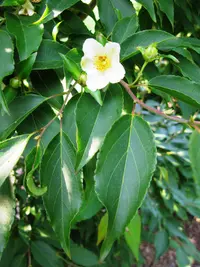
It produces small white camellia-like flowers in mid to late summer, a time when many woodland shrubs have already finished blooming, which helps extend floral resources for pollinators.

Naturally compact stature

Compared with other stewartias, this species stays relatively slender and upright, which is why many gardeners focus on Stewartia monadelpha care for smaller gardens and narrow spaces.

FAQs about tall stewartia

This species grows slowly to moderately, adding roughly 15–30 cm per year once established. Early growth can be slower while roots develop. Consistent moisture, mulch, and avoiding heavy pruning support growing tall stewartia over time.

Grow Healthy Plants with Botan Care

Keep your plants happy and healthy with plant identification, disease detection, and easy care guidance.

Botan plant care app — identify plants on mobile

Explore More Plants