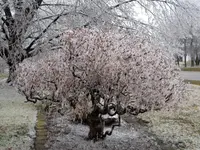
rusty blackhaw Care (Viburnum rufidulum)

rusty blackhaw

About rusty blackhaw

Rusty blackhaw (Viburnum rufidulum) is a deciduous shrub or small tree native to the central and southeastern United States. It is often used in naturalistic landscapes and mixed shrub borders.

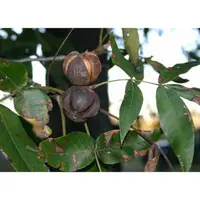
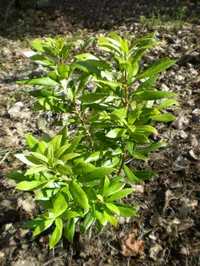
Plants develop a rounded, upright form with glossy dark green leaves that turn burgundy to red in fall. In spring, they produce flat clusters of small white flowers, followed by blue-black berries that attract birds.

This species is generally considered adaptable and reliable once established. It tolerates a range of soils, moderate drought, and typical garden conditions, which makes it relatively straightforward to care for rusty blackhaw.

Rusty blackhaw grows best in full sun to light shade with moderately moist, well-drained soil, but it can adjust to many typical yard settings.

Main Plant Requirements

Care Difficulty

Easy Care

Light Preference

Full Sun

Water Requirements

Moderate Water

Temperature Preference

Cold Hardy

Hardiness Zone

5–9

Soil Texture

Sandy, Loamy, Clay

Soil pH

Acidic (5.5–6.5), Slightly acidic (6.5–7.0)

Soil Drainage

Moist but well-drained

Fertilization

Minimal (feed rarely)

Get Personalized Care Plan

Scan your plant to receive care tips personalized for your specific plant

Available on iOS and Android

How to Care for the rusty blackhaw

This sun-loving shrub performs best with consistent, direct light in most landscapes.

  • Provide 6–8 hours of direct sun daily; morning sun with light afternoon shade is ideal in hot summer regions.
  • Rusty blackhaw tolerates partial shade (3–4 hours sun), but flowering and fall color decline as shade increases.
  • In the first 1–2 years, protect from intense late-afternoon sun and reflective heat; in winter, full sun helps maintain strong structure and bud set.

This species prefers evenly moist, well-drained soil once established in the landscape.

  • Allow the top 5–7 cm of soil to dry before deep watering, then soak the root zone rather than applying light, frequent splashes.
  • During the first 2–3 growing seasons, check soil weekly; increase watering in hot, dry spells and reduce when rainfall is consistent for Viburnum rufidulum.
  • Watch for yellowing, soft leaves and soggy soil as signs of overwatering; dry, curling leaves and brittle twigs indicate underwatering or prolonged drought.

This hardy shrub adapts well to a broad temperature range in outdoor conditions.

  • Active growth is strongest around 65–80°F (18–27°C), with good performance in typical spring and fall outdoor temperatures.
  • Mature plants tolerate winter lows near -10°F (-23°C) when fully dormant, though young shrubs benefit from mulch over the root zone.
  • In summer, it handles short periods around 90–95°F (32–35°C) if soil moisture is maintained; prolonged extreme heat with drought can cause leaf scorch and stress.

This shrub does not have special humidity requirements and tolerates the wide outdoor ranges typical across most regions.

This species prefers moderately moist, well-drained, loamy soil that does not stay saturated.

  • Aim for a loam or sandy loam with 3–5 cm of incorporated compost to enhance structure and nutrient holding.
  • Ensure water drains within 1–2 hours after heavy watering; avoid sites where water pools or remains soggy.
  • Target a slightly acidic to neutral pH of 6.0–7.0 for Viburnum rufidulum, adjusting with lime or sulfur if needed.
  • On heavy clay sites, improve aeration by mixing in coarse sand or fine bark and forming a raised planting area.

This shrub can be grown in large containers, but only with attention to stability and root space.

  • Choose a tall, heavy container that will not tip when the top growth becomes woody and unevenly weighted.
  • Select a pot at least 40–50 cm wide and deep so the woody root system can expand without circling tightly.
  • Use a mineral-rich, slightly gritty mix that drains freely yet has enough weight to anchor the plant in wind.

This native shrub grows well in average soils but benefits from light, targeted feeding during active growth.

  • Apply a balanced slow-release fertilizer (around 8-8-8 to 10-10-10) once in early spring as new growth begins.
  • Use a thin layer of compost around the root zone instead of high-dose synthetic products for mature rusty blackhaw shrubs.
  • Keep fertilizer strength moderate, using about half the label rate for young or stressed plants to avoid root burn.
  • Do not feed in late fall or winter, when the plant is dormant and nutrient demand is low.

Pruning helps maintain structure and flowering quality in Viburnum rufidulum without heavy shaping.

  • Time pruning for just after flowering in late spring to avoid removing next year’s flower buds.
  • Remove dead, damaged, or crossing branches first, using clean, sharp bypass pruners or loppers.
  • Thin congested interior stems to improve light penetration and air flow through the canopy.
  • Shorten overly long shoots selectively to maintain a natural outline rather than creating hard, formal shapes.

This shrub is usually grown in the ground, so care focuses on proper transplanting rather than frequent repotting.

  • Transplant young plants in early spring or early fall when temperatures are mild and soil is workable.
  • Look for signs like circling roots in nursery pots or stunted growth as cues the plant must leave its container.
  • Dig a broad hole, loosen outer roots gently, and set Viburnum rufidulum at the same depth it grew in the pot.
  • Water deeply after planting and keep soil evenly moist for the first season to limit transplant shock.

Propagation is feasible for home gardeners, mainly through cuttings and seeds with some patience.

  • Take semi-ripe stem cuttings in mid to late summer, 10–15 cm long, from healthy non-flowering shoots.
  • Remove lower leaves, dip the base in rooting hormone, and place in a moist, well-drained medium under high humidity.
  • Collect ripe berries in fall, clean the seeds, and provide a cool moist stratification period to break dormancy.
  • Sow pretreated seeds in trays or pots outdoors in a protected spot, expecting slow and uneven germination.

This species is cold hardy in much of its range and usually needs minimal winter attention once established.

  • In USDA zones roughly 5–9, mature plants tolerate normal winter frost without special coverings.
  • Apply a 5–8 cm mulch layer over the root zone in late fall to moderate soil temperature and moisture swings.
  • Young or newly transplanted shrubs benefit from extra mulch and wind exposure reduction their first 1–2 winters.
  • Container-grown plants in cold regions should be moved to a sheltered, unheated space to prevent root freeze.

Care Tips

Encourage Strong Structure

During the first 3–4 years, remove or shorten competing upright leaders in late winter so the shrub develops one main trunk and well-spaced scaffold branches that will better support heavy berry and snow loads later on.

Manage Suckers Selectively

Inspect the base each spring and cut unwanted suckers at ground level to keep a tree form, but allow a few well-spaced shoots to remain if a multi-stemmed screening plant is desired.

Support Fruit Production

To maximize berry set, plant at least 2 genetically different rusty blackhaw shrubs within 15–30 ft and avoid heavy pruning after flowering so enough new wood remains to carry fruiting buds.

Plan Root Clearance

When planting near sidewalks, patios, or foundations, leave a 4–6 ft buffer zone so the slowly expanding root system and trunk flare have room to develop without causing hardscape heaving or crowding.

Summer Stress Monitoring

In hot, dry spells, watch for midday leaf roll or marginal scorch on sun-exposed leaves and apply a 5–8 cm organic mulch layer over the root zone (kept off the trunk) to stabilize soil moisture when caring for rusty blackhaw.

Common Pests and Diseases

Viburnum leaf beetle

This pest feeds on leaves as both larvae and adults, causing skeletonized foliage and progressive defoliation from the bottom of the shrub upward.

Solution

Prune and destroy infested twigs with egg-laying scars during winter, then monitor for larvae in spring and spray thoroughly with a horticultural soap or a spinosad-based product if feeding is heavy, repeating as the label allows. Maintaining plant vigor with proper watering reduces long-term stress and supports recovery from defoliation.

Aphids

These insects cluster on tender shoots and leaf undersides, sucking sap and causing curled, sticky foliage with honeydew that can lead to sooty mold.

Solution

Dislodge colonies with a strong stream of water, then treat remaining populations with insecticidal soap or a light horticultural oil, covering both leaf surfaces. Encouraging natural predators such as lady beetles by limiting broad-spectrum insecticides helps prevent reinfestation when growing rusty blackhaw.

Powdery mildew

This disease appears as white, powdery growth on leaves, which may curl or become distorted, especially in shaded, humid conditions.

Solution

Improve air circulation by selective pruning, thin surrounding vegetation, and avoid overhead watering in the evening. Remove heavily affected leaves and apply a labeled fungicide such as horticultural oil, potassium bicarbonate, or a myclobutanil product if mildew persists year to year.

Botryosphaeria canker

This disease causes sunken, dark cankers on stems and branches, leading to dieback of individual shoots or whole sections of the shrub, often after drought or other stress.

Solution

Prune out affected branches several inches below visible symptoms during dry weather, disinfecting pruning tools between cuts with 70% alcohol or a 10% bleach solution. Reduce plant stress through consistent watering during dry periods and avoid mechanical injury to stems to limit new infections.

Armillaria root rot

This disease develops in poorly drained or previously infested sites, causing gradual decline, leaf yellowing, dieback, and eventual plant death; white fungal mats may be present under the bark near the crown.

Solution

There is no reliable chemical treatment, so remove severely affected plants including as much root material as possible and avoid replanting woody hosts in the same spot. Improve site drainage, avoid overwatering, and choose resistant or non-host species for replanting to reduce future losses.

Interesting Facts

Rusty undersides

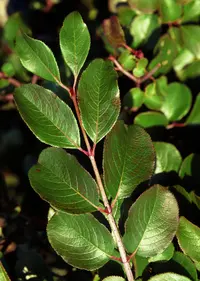
The leaves have distinctive reddish-brown, velvety hairs on their undersides and along the leaf stalks, a trait that gives rusty blackhaw its common name and helps distinguish it from other viburnums in the field.

Frost-resistant flower buds

In its native range, the flower buds tolerate late spring frosts better than many shrub and small tree species, so it reliably flowers and fruits even in years with unseasonal cold snaps.

High wildlife value

The blue-black fruits are an important autumn and early winter food source for many songbirds and small mammals, while the dense branching offers cover and nesting habitat in woodland edges and hedgerows.

Botan icon

Did you know?

Rusty blackhaw naturally occurs from the Midwest through the Southeast on dry, rocky slopes and limestone outcrops, showing an unusual tolerance for alkaline, thin soils compared with many other native woodland shrubs that prefer more acidic conditions.

FAQs about rusty blackhaw

This species is generally slow-growing, adding about 15–30 cm of new growth per year under average garden conditions. Growth is faster in deep, evenly moist, fertile soil and slower in dry, compacted, or nutrient-poor sites.

Grow Healthy Plants with Botan Care

Keep your plants happy and healthy with plant identification, disease detection, and easy care guidance.

Botan plant care app — identify plants on mobile

Explore More Plants